Written by Admin Alex · Fact-Checked by M.Ali · Info Verified September 2026
We review and update this article regularly as new information becomes available.
TL;DR: Meta is getting ready to show off Luna, a smart glasses model with no camera at all, at its Connect event next week. It’s a direct response to months of backlash over camera-equipped Ray-Ban and Oakley models that critics started calling “perv glasses.” Luna leans on six microphones and a side button instead, talking to Meta AI and a new agent called Muse.
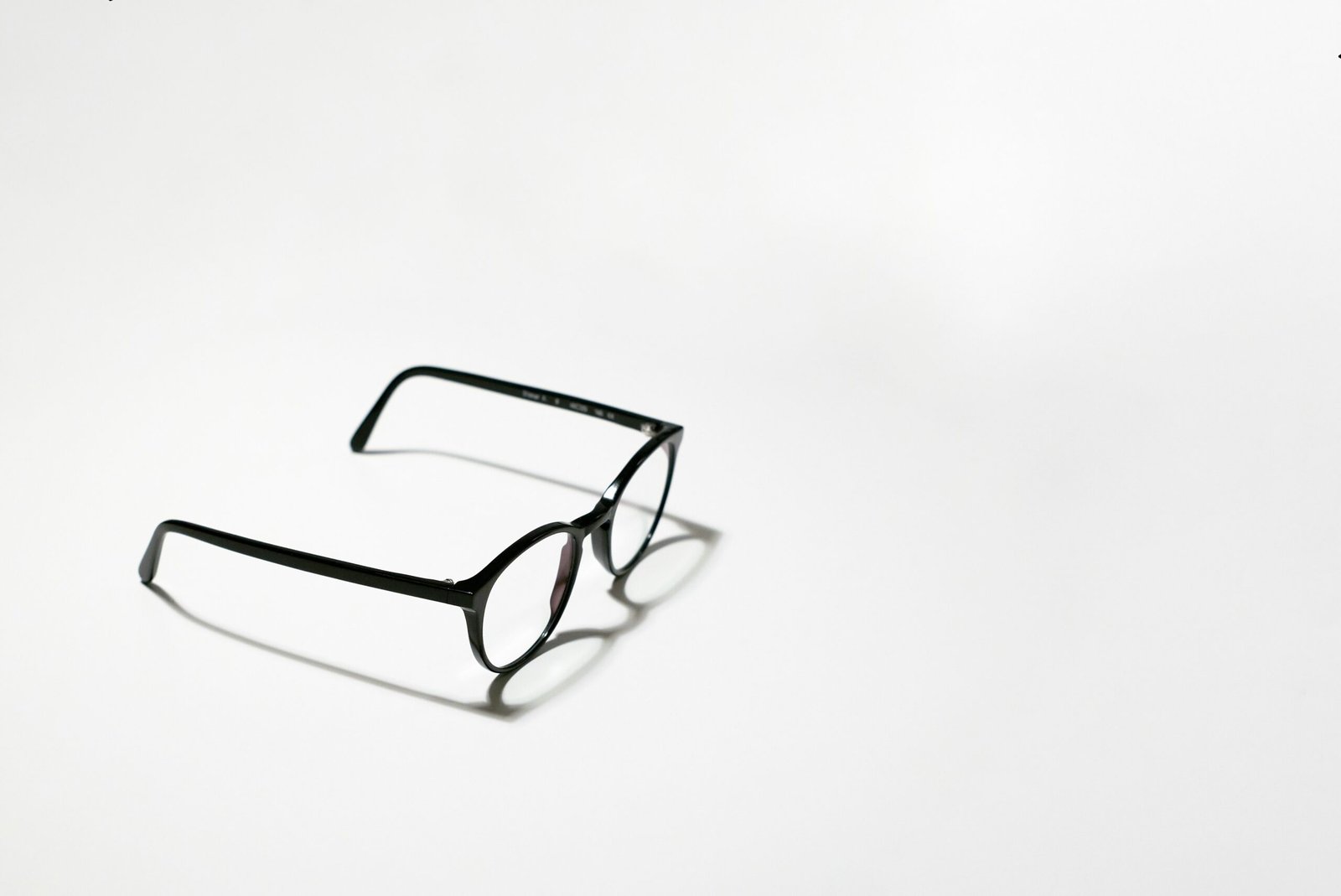
There’s a version of this story where a tech company removes a headline feature and calls it innovation, and normally that’s a punchline. This time it might actually be the smart move.
Meta is preparing to unveil Luna at Connect next week in Menlo Park, according to reporting on the device, and the defining feature is what it doesn’t have. No camera. Instead, Luna packs six built-in microphones and a single side button that wakes up Meta AI or Muse, the company’s newer AI agent built for more open-ended conversation than a simple assistant.
That’s a strange thing to lead with in a market where every competitor is racing to cram more cameras and sensors into a smaller frame. But Meta didn’t get here by accident.
The “perv glasses” problem
Meta’s camera-equipped Ray-Ban and Oakley smart glasses sold well. They also picked up a nickname nobody in Menlo Park wanted: “perv glasses,” shorthand that stuck after a wave of stories about people using the devices to record strangers without consent. Critics described the camera models as invasive emblems of a surveillance society you wear on your face, and that framing followed the product everywhere it went, including into rooms where Meta really wanted people talking about the AI instead.
Reality Labs, the division building all of this, has been burning money for years chasing a smart glasses future that consumers still aren’t sure they want. As of Meta’s own April 2026 earnings, that spending hadn’t slowed down. A camera controversy on top of a business that already isn’t profitable is exactly the kind of thing a company tries to make disappear before its next big showcase.
So Luna disappears it, literally. No lens pointed at the world means no story about someone getting secretly filmed in a locker room or a bar. What’s left is a pitch about voice and AI, which is a much easier conversation for Meta’s PR team to have.
Does anyone actually want this?
Here’s the open question nobody at Meta has answered yet: are people buying smart glasses for the camera, or in spite of it? If the camera was the actual draw, a camera-free model is a downgrade wearing a new outfit. If people were buying the AI features and tolerating the camera controversy, Luna solves a real problem.
Early signs from the rest of the industry aren’t encouraging either way. HTC’s Vive Eagle launched this year as an alternative to Meta’s glasses and landed flat, priced high with little to justify the cost. The category overall is still stuck at the stage where reviewers keep asking the same question: how, why, or if regular people should be using any of this at all.
Bottom Line
Luna is Meta doing damage control and calling it a product launch, and there’s nothing wrong with that if the result is actually good. Stripping the camera fixes the PR problem outright. It doesn’t fix the harder one, which is that two years into this experiment, most people still don’t have a great answer for why they’d wear a computer on their face at all. Connect next week is where we find out if six microphones and a chatbot change that math.