Written by Admin Alex · Fact-Checked by M.Ali · Info Verified September 2026
We review and update this article regularly as new information becomes available.
TL;DR: The Senate failed to advance the Clarity Act on September 20 in a 49-50 vote, 11 short of the 60 needed, killing (for now) the most comprehensive attempt yet to split crypto regulatory authority between the SEC and CFTC. Seven Democrats crossed over to support it, three Republicans voted no, and both parties spent the aftermath blaming each other for rushing or sabotaging the deal.

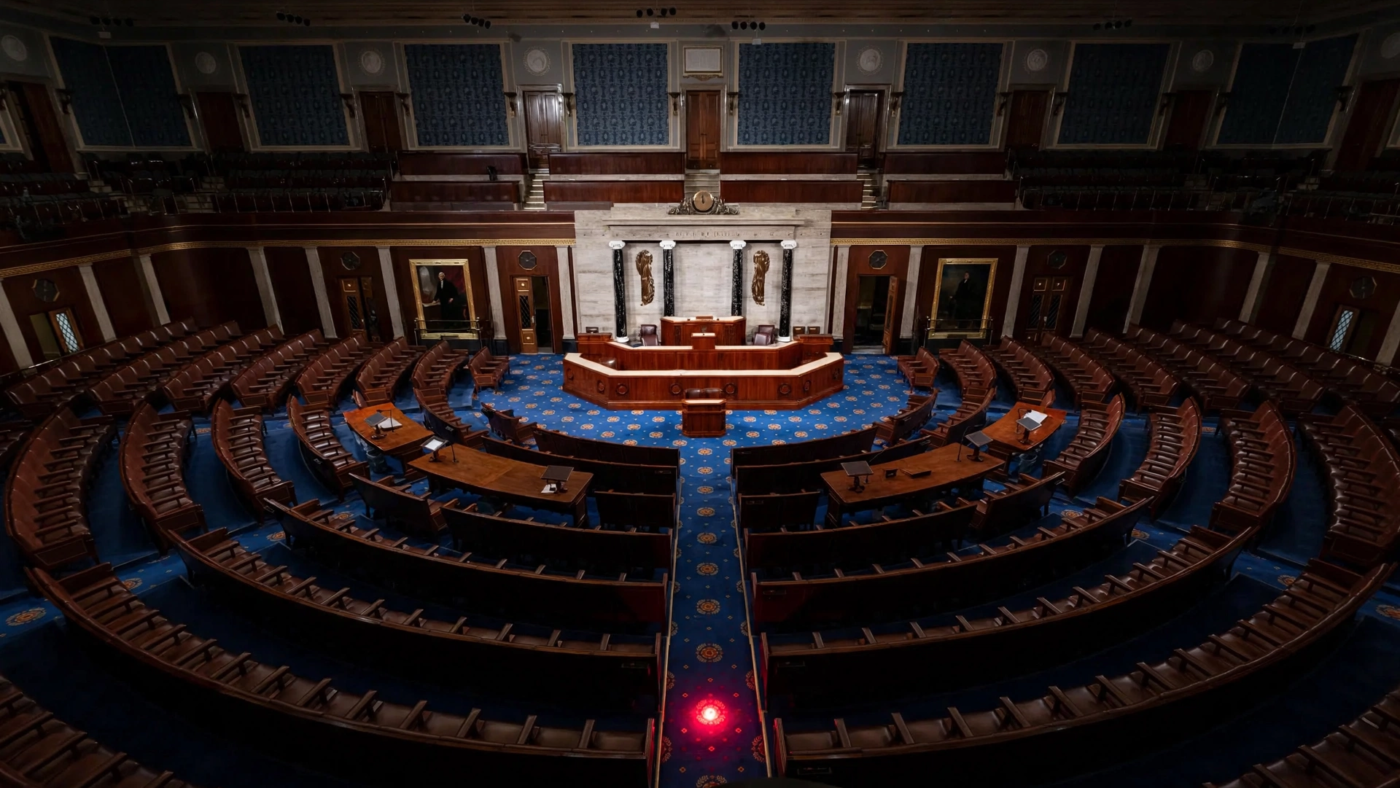
Forty-nine votes for, fifty against, eleven short of the sixty needed to move forward. That’s how the Clarity Act died in the Senate on September 20, and the vote count alone tells you this wasn’t a clean partisan split. Seven Democrats, including Kirsten Gillibrand, Mark Warner, Cory Booker, Catherine Cortez Masto, Ruben Gallego, Raphael Warnock, and Angela Alsobrooks, broke from their party to support the bill. Three Republicans, Susan Collins, Josh Hawley, and Jerry Moran, broke the other way to vote against it.
Sen. Cynthia Lummis, the Wyoming Republican who built her political brand around crypto policy, was the bill’s chief architect. The Clarity Act was designed to answer the question the industry has been asking regulators for years: is a given digital asset a security regulated by the SEC, or a commodity regulated by the CFTC? Right now that line is blurry enough that companies routinely get sued by one agency for doing something the other agency seemed fine with.
What actually killed it
Negotiations reportedly collapsed abruptly just before the vote, and the two sides walked away with two very different stories about why. Republicans accused Democrats of “never being truly serious” about reaching a deal. Democrats countered that Republicans forced a vote before negotiations had actually finished, essentially daring them to either accept an unfinished bill or be blamed for blocking it.
One vote stood out for a different reason: North Carolina Republican Thom Tillis switched his vote to no at the last moment, a move that reportedly preserves procedural options for bringing the bill back later rather than reflecting genuine opposition to its substance. That’s the kind of maneuver that makes a failed vote look less like a final answer and more like a pause button.
The agencies aren’t waiting around
While the Senate stalled, the regulators didn’t. The SEC introduced an innovation exemption for tokenized stocks within days of the failed vote, and the CFTC issued no-action relief for passive software providers while submitting its own broader crypto rulemaking proposals to the White House. Both moves suggest the agencies are done waiting for Congress to hand them clear statutory authority and are instead carving out rules through the regulatory process they already control.
Crypto industry lobbying groups, including the Blockchain Association and Coinbase’s policy arm, had spent months pushing for a Senate vote, betting that momentum from the House’s earlier passage of similar legislation would carry over. That bet didn’t pay off, at least not yet. Industry reaction to the failed vote was notably muted compared to the lobbying blitz that preceded it, suggesting most of Washington’s crypto advocates already suspected this particular vote was more theater than genuine progress toward a final deal.
That’s not a great outcome for the crypto industry’s actual goal, which was a single clear framework rather than a patchwork of agency-level exemptions that could shift with the next administration or the next commissioner. A rule an agency wrote on its own is also a rule that agency can unwrite without Congress weighing in again.
Bottom Line: The Clarity Act isn’t dead, it’s stalled, and Thom Tillis’s procedural vote switch suggests Republicans plan to bring some version of it back. Until then, crypto regulation in the U.S. is being written piecemeal by the SEC and CFTC rather than in one comprehensive law, which is exactly the outcome the bill’s supporters, on both sides of the aisle, said they wanted to avoid.

The Teck Hustlers Editorial Team covers technology, business, finance and gaming news for readers who want the story behind the headline. Every article is researched, written and edited by our in-house team, checked against company announcements, filings and reputable reporting, and updated when new facts emerge. We focus on what each development means for founders, professionals, investors and everyday users. Have a tip or a correction? Reach us through our contact page.