Written by Admin Alex · Fact-Checked by M.Ali · Info Verified September 2026
We review and update this article regularly as new information becomes available.
TL;DR: Oura and its backers are looking to raise up to $2.2 billion in a US IPO priced between $40 and $44 a share, valuing the smart ring maker around $14 billion. Roughly 73 percent of that money goes to existing shareholders cashing out, not to Oura itself, and one investor alone, Forerunner Ventures, is walking away with about $1.2 billion.
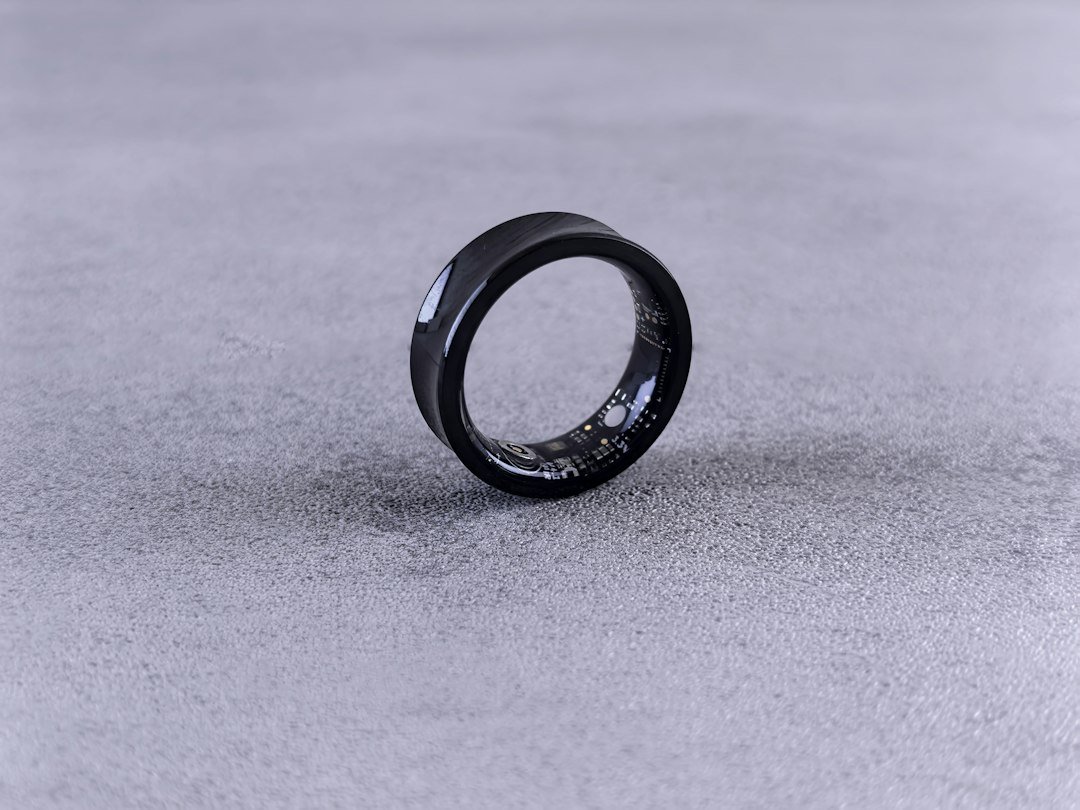
Oura wants you to believe its IPO is about fueling the next decade of the smart ring business. The math says otherwise. Of every dollar coming into this offering, roughly 73 cents is heading straight into the pockets of investors who got in years ago, not into the company’s own bank account.
Here’s how the offering breaks down at the midpoint price of $42 a share. Existing shareholders are selling about 36.5 million shares, worth around $1.53 billion. Oura itself is issuing about 13.5 million new shares, worth roughly $567 million. That puts the split at close to 73 percent for people cashing out and 27 percent for the company.
One firm is taking almost all of it
Forerunner Ventures, an early backer, is selling its entire 9.3 percent stake, about 28.7 million shares, for close to $1.2 billion. That single sale accounts for nearly 80 percent of all the shares being sold by existing investors in this offering. It’s the kind of exit venture firms dream about, and it’s happening at a valuation nearly 30 percent higher than the $11 billion mark Oura carried after its last private round in October 2025.
The part that should give pause to anyone reading the prospectus closely is what happens to the money Oura itself is raising. Of that roughly $567 million, about $526 million is earmarked to cover tax bills tied to employee stock grants vesting at the moment of the IPO. That leaves the company with something in the neighborhood of $6 million for actual corporate purposes. Six million dollars, for a company chasing a $14 billion valuation.
Why go public if you don’t need the cash
Oura already reported having $372 million in cash on hand before any of this. It isn’t a company desperate for a lifeline. What it needed was liquidity for early employees and investors who have been sitting on paper wealth for years, and a public listing is the cleanest way to give them that. Framing this purely as a capital raise misses the point. This IPO exists to let insiders sell, and the company’s own growth story is almost a secondary benefit of going public at all.
None of this makes Oura a bad business. The ring itself has become the default wearable for people obsessed with sleep and recovery data, and it has fended off Apple, Samsung and a wave of copycats better than most hardware startups manage. But investors buying into this IPO should be clear-eyed about what they’re funding. It isn’t Oura’s roadmap. It’s an exit for the people who bet early and are ready to collect.
Bottom Line: A $14 billion valuation for Oura isn’t unreasonable given how dominant the ring has become in its category, but anyone buying shares in this IPO is mostly buying out Forerunner Ventures and a handful of other early backers, not funding new product development. Know what you’re actually purchasing before you click buy.

The Teck Hustlers Editorial Team covers technology, business, finance and gaming news for readers who want the story behind the headline. Every article is researched, written and edited by our in-house team, checked against company announcements, filings and reputable reporting, and updated when new facts emerge. We focus on what each development means for founders, professionals, investors and everyday users. Have a tip or a correction? Reach us through our contact page.