
Published: October 9, 2026 · Last updated: October 9, 2026
TL;DR: OpenAI has rolled out GPT-6 paired with a new “Intelligent UI,” which replaces ChatGPT‘s wall-of-text replies with generated charts, buttons, and visual layouts, available across every ChatGPT tier starting this week.
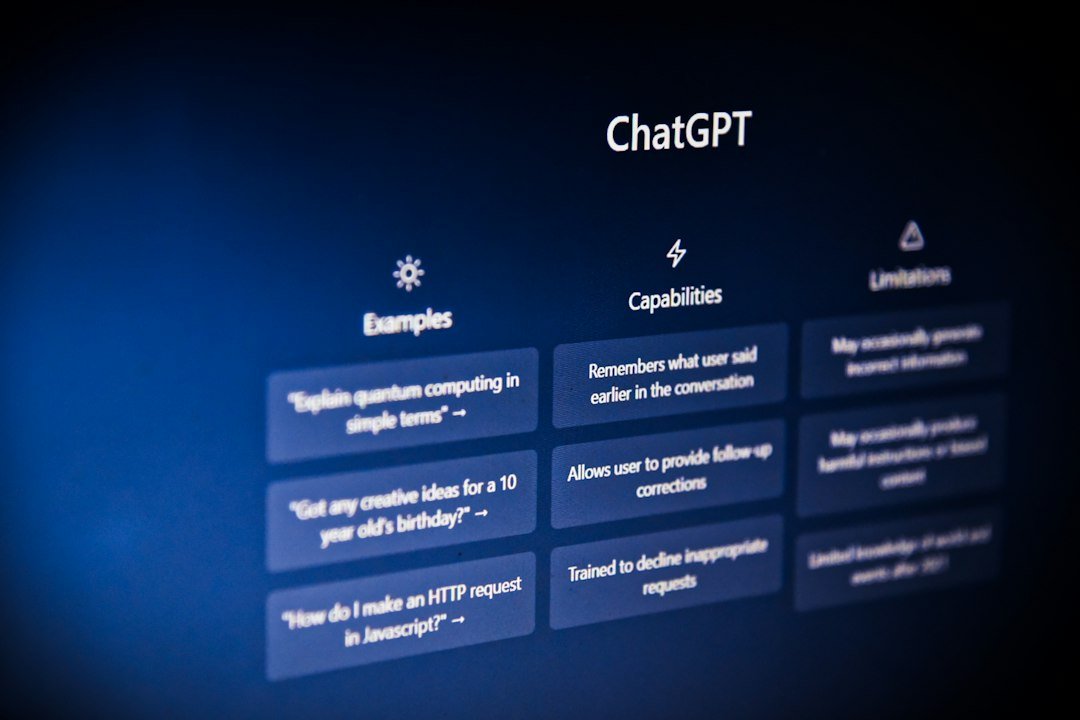
Ask ChatGPT to compare three laptops and, until this week, you got three paragraphs back, maybe a markdown table if you were lucky and the model felt like formatting one properly. OpenAI thinks that is a dated way to answer the question, and it just shipped the fix.
Alongside the rollout of GPT-6, OpenAI introduced what it is calling Intelligent UI, a system that lets ChatGPT generate interface elements on the fly rather than just text. A product comparison can render as an actual side-by-side card layout. A multi-step plan can show up as a checklist with tappable items instead of a numbered list you have to re-read every time you lose your place. OpenAI’s own messaging describes it as GPT-6 brought to “everyone,” rolling the feature out across every ChatGPT subscription tier rather than gating it behind Pro or Enterprise.
Interestingly, OpenAI was not first to float this idea publicly. A research outlet covering generative interfaces had already written about the concept roughly six weeks before OpenAI’s launch, describing the broader industry push toward AI that builds its own UI instead of just text as an inevitability rather than a surprise. OpenAI shipping the actual feature not long after is less a case of a stolen idea and more proof that several labs were clearly circling the same obvious next step at the same time.
The practical upside for everyday use is real. A travel itinerary that renders as an actual visual timeline is genuinely easier to scan than the same information buried in prose. A coding explanation that highlights the relevant block of a file rather than describing it in words saves a mental translation step. For anyone using ChatGPT for research, shopping comparisons, or planning, Intelligent UI should cut down on the amount of re-reading a dense answer twice just to extract the one number you actually needed.
The harder question is how consistent this ends up being in practice. Generated interfaces carry a different kind of risk than generated text: a wrong word in a paragraph is just a wrong word, but a broken or confusing generated button layout can actively get in the way of finding the right answer. Early impressions circulating this week have been mixed on exactly that point, with some users praising how much faster complex answers feel and others noting that simple questions sometimes get unnecessarily dressed up in interface elements they didn’t need.
OpenAI has not detailed exactly how Intelligent UI decides when to generate a visual layout versus a plain text answer, and that judgment call may end up being the hardest part of the feature to get right at scale. Early examples shared by OpenAI staff lean heavily on comparison and planning tasks, the kinds of questions that map naturally onto tables and checklists, rather than open-ended creative or conversational prompts where a generated interface would likely just get in the way.
Competing labs are watching closely. Anthropic and Google have both experimented with richer output formats in their own chat products this year, though neither has gone as far as generating full interactive interface elements on the fly. If Intelligent UI proves popular with everyday users rather than just looking impressive in a demo video, expect rival products to ship their own version within a few months rather than cede the format advantage to OpenAI.
Related: OpenAI is testing ads in another part of ChatGPT this same week, and a new startup called Tab is betting the opposite interface idea works better.
Bottom Line: Turning chatbot replies into something closer to a generated app is a genuinely useful idea when it works. Whether OpenAI can make that reliable across millions of unpredictable prompts, rather than just in the demo, is the actual product to watch.
Follow Teck Hustlers: Facebook · X · Instagram · LinkedIn · TikTok · Pinterest

The Teck Hustlers Editorial Team covers technology, business, finance and gaming news for readers who want the story behind the headline. Every article is researched, written and edited by our in-house team, checked against company announcements, filings and reputable reporting, and updated when new facts emerge. We focus on what each development means for founders, professionals, investors and everyday users. Have a tip or a correction? Reach us through our contact page.