Written by Admin Alex · Fact-Checked by M.Ali · Info Verified September 2026
We review and update this article regularly as new information becomes available.
TL;DR: OpenAI bought Glass Imaging, a smartphone camera AI startup founded by two former Apple engineers who built Portrait Mode, for more than $300 million according to the Wall Street Journal. Glass Imaging had only raised around $30 million previously. The deal follows OpenAI’s $6.5 billion acquisition of Jony Ive’s device startup io, and points toward hardware, not just software, being central to OpenAI’s next act.
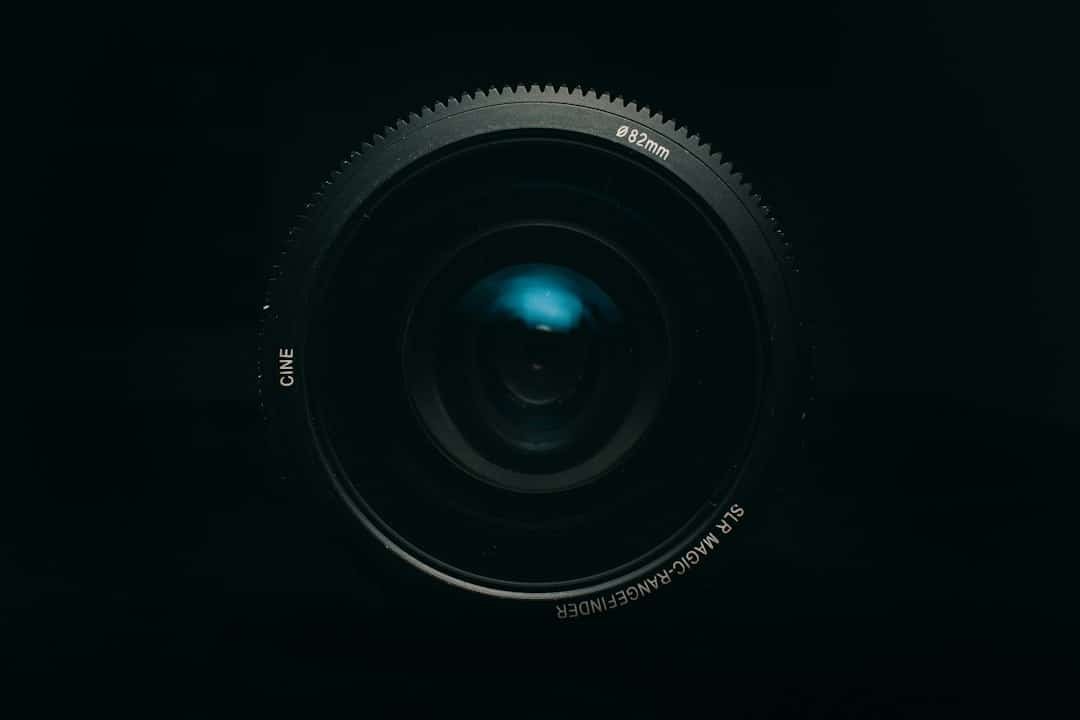
Ziv Attar and Tom Bishop used to work at Apple, where they helped build Portrait Mode, the feature that made blurry backgrounds a marketing headline for a decade of iPhone launches. In 2019 they left to start Glass Imaging. This week, OpenAI bought it for more than $300 million.
What Glass Imaging actually does
The company’s approach is different from typical photo editing. Instead of fixing a photo after it’s captured, Glass Imaging uses neural networks trained on the specific quirks of individual camera systems to optimize image quality at the moment of capture, tuned to the actual hardware of whatever phone it’s running on. That’s a meaningfully different problem than the post-processing filters most people think of when they hear “AI photography.”
Glass Imaging had raised roughly $30 million in venture funding before this deal. OpenAI just paid ten times that for the company outright.
This isn’t really about photos
OpenAI doesn’t make smartphones, yet. But it’s clearly building toward something that does. Sam Altman partnered with legendary Apple designer Jony Ive in 2025 on a hardware startup called io, and OpenAI acquired that outfit for $6.5 billion, a number that made clear this wasn’t a side project. Reports since then have pointed to OpenAI developing multiple physical products: a phone-like device, earbuds, and some kind of AI companion hardware.
Camera technology is a natural, almost unavoidable piece of that puzzle. Any serious hardware device competing in the smartphone-adjacent space needs a camera that doesn’t feel like a downgrade from what people already carry. Buying the team that literally invented one of the iPhone’s signature camera features is a fast way to close that gap instead of building it from scratch over several product cycles.
The pattern worth watching
Two acquisitions in as many years, both aimed squarely at physical device capability rather than model training or chat interfaces, is a real signal about where OpenAI thinks its next growth phase comes from. Software-only AI competition is getting crowded and commoditized fast. Owning the hardware layer, camera systems included, is a much harder thing for competitors to copy quickly.
Bottom Line
OpenAI didn’t buy Glass Imaging because it wants to be a camera company. It bought it because whatever device Altman and Ive are building needs to take a photo that doesn’t embarrass itself next to an iPhone, and the fastest way to guarantee that was to buy the people who already solved it once. Watch for io’s first product to show up with camera credentials nobody expected OpenAI to have.