Published: October 8, 2026 · Last updated: October 8, 2026
TL;DR: GlobalFoundries and TSMC signed a $2 billion, five-year agreement announced Thursday for GlobalFoundries to manufacture silicon interposers, the connective layer inside TSMC’s CoWoS advanced packaging that goes into nearly every high-end AI chip on the market, at GlobalFoundries’ fab in Malta, New York. It’s being described as the first US-based supply source for that specific part, which has almost always come out of Taiwan. GlobalFoundries shares rallied on the news. The company is majority owned by Abu Dhabi’s Mubadala Investment Company, and the deal gives TSMC’s AI packaging supply chain a second country to lean on besides Taiwan.
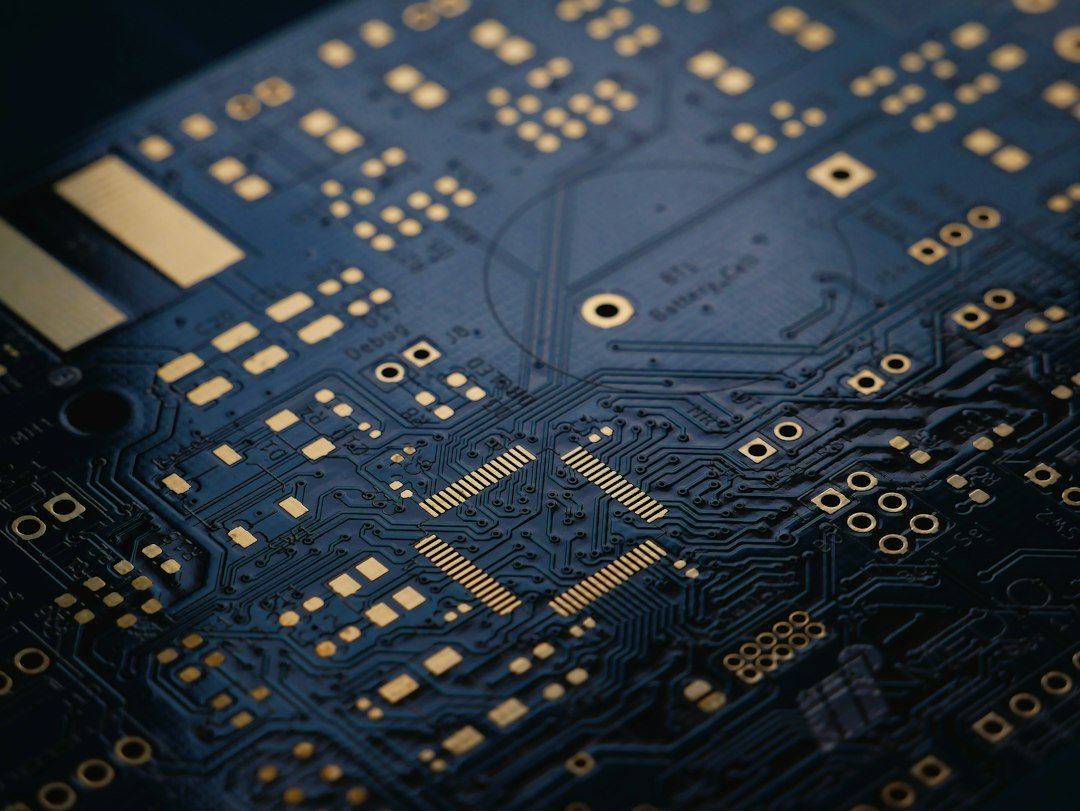
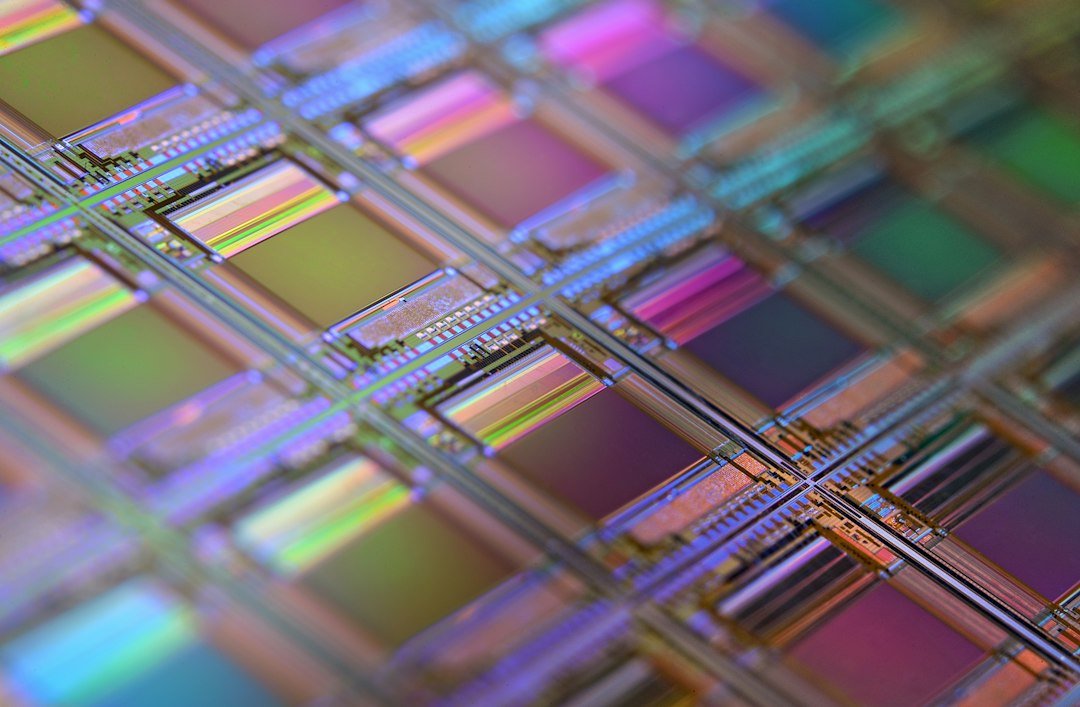
A silicon interposer is not the chip anyone brags about. It’s the thin layer of silicon that sits underneath a GPU die and the stacks of high-bandwidth memory next to it, wired together so densely that regular circuit board material can’t carry the connections. TSMC calls its version of this process CoWoS, chip-on-wafer-on-substrate, and it’s the packaging step that turns a bare processor into the finished AI accelerator that ships inside an Nvidia or AMD system. Skip this step and you don’t have a working AI chip. You have an expensive piece of silicon with nowhere to plug in.
That’s what makes this deal bigger than its dollar figure suggests. For the past two years, the real ceiling on AI chip supply hasn’t been how many GPU dies TSMC or Samsung can etch. It’s been CoWoS capacity, the packaging lines that stitch those dies to memory. TSMC has spent that entire stretch adding packaging lines as fast as it can inside Taiwan, and virtually none of that capacity has existed anywhere else. One island, one company, one choke point for almost the entire AI industry’s hardware. GlobalFoundries making interposers in upstate New York is the first real crack in that arrangement, not a full fix.
The deal itself runs five years and is worth $2 billion, with GlobalFoundries producing the interposers at Fab 8, its facility in Malta, New York, and shipping them to TSMC for final assembly into CoWoS packages. GlobalFoundries shares rallied on the announcement, which makes sense for a company that’s spent most of its public life since its 2021 IPO known as the trailing-edge chipmaker, the one that spun out of AMD’s old fabs and settled into automotive and RF chips rather than chasing Nvidia’s cutting edge. Getting pulled into the AI supply chain through packaging instead of transistor size is a new kind of relevance for GlobalFoundries, and the market noticed.
It’s also a deal that fits the moment more than it stands apart from it. GlobalFoundries is majority owned by Mubadala, Abu Dhabi’s sovereign wealth fund, the same capital pool that’s been showing up across AI infrastructure deals all year. And it lands in a week where most of the AI headlines have been about money moving around, OpenAI shopping a round that could value it at $1.4 trillion, a quantum startup tripling its valuation in three months, chip rivals racing to raise capital, rather than about anyone actually adding physical capacity to make more AI hardware. This is one of the only stories this week that’s about building something you can walk into, not a number on a term sheet.
Related: Biren’s third capital raise this year shows the money chasing Nvidia’s rivals even as its own stock craters, and Positron AI’s $875 million bet on cheaper memory instead of HBM is another example of a company trying to get around the exact kind of supply bottleneck this GlobalFoundries deal is aimed at loosening.
Bottom Line: $2 billion over five years is a rounding error next to the hundreds of billions pouring into AI compute this year, and it won’t meaningfully dent TSMC’s grip on advanced packaging anytime soon. But Taiwan being the only place on earth that can finish an AI chip has been a bigger risk to the entire industry than any single GPU shortage, and this is the first deal that actually starts spreading that risk somewhere else. Watch whether TSMC expands this past one fab and one partner, or whether it stays a one-off built mostly to generate a good headline.
Follow Teck Hustlers: Facebook · X · Instagram · LinkedIn · TikTok · Pinterest