
Written by Admin Alex · Fact-Checked by M.Ali · Info Verified September 2026
We review and update this article regularly as new information becomes available.
TL;DR: The Boring Company wants to build a hyperloop tunnel that would cut the Austin to San Antonio drive from 80 minutes to under 30. Elon Musk has floated similar tunnel projects in Chicago, LA, and along the Northeast Corridor before, and none of them got built. This one has $3 billion in fresh UAE funding behind it and an operating tunnel in Vegas as proof the company can actually dig, so it’s worth taking a little more seriously than the last one.
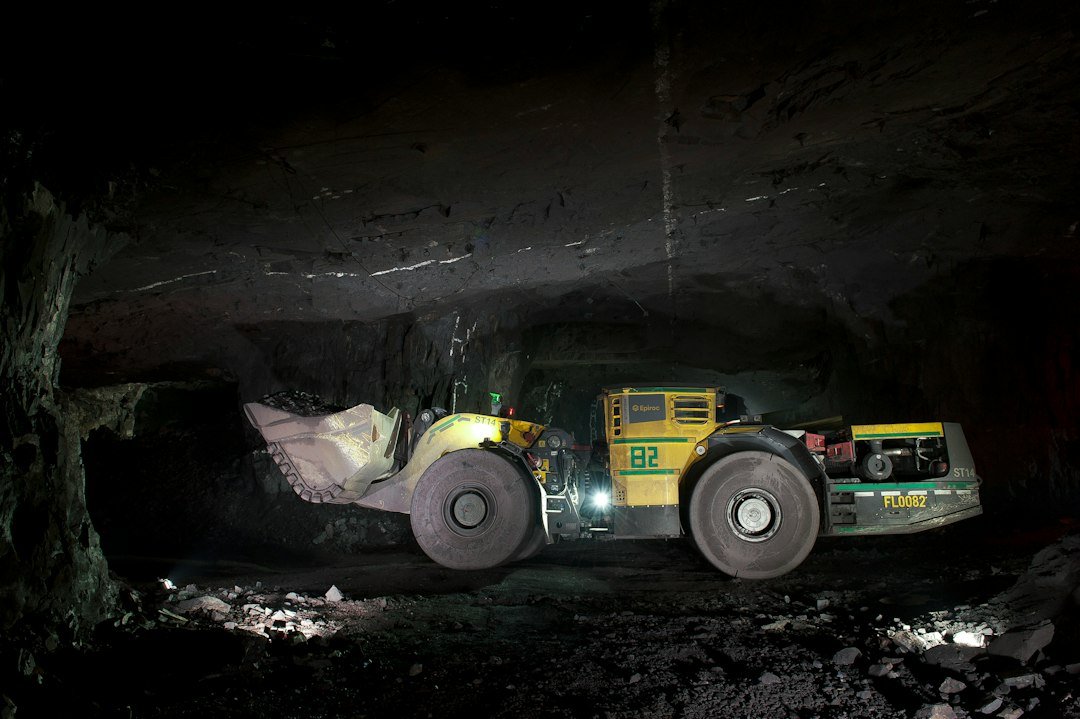
Here’s the pitch: a 200 mph hyperloop tunnel connecting two Texas cities separated by about 80 miles of I-35 traffic. The Boring Company says it can get that trip under 30 minutes. No price tag was attached to the announcement, which is usually the first sign a Boring Company project is still in the “wouldn’t it be cool” phase rather than the “we’re pouring concrete” phase.
The company’s history backs up that skepticism. Proposed tunnel systems in Chicago, Los Angeles, and a hyperloop link between New York and Washington D.C. were all announced with similar enthusiasm. None of them exist today. Musk has a pattern of using Boring Company announcements as flashy conversation starters rather than committed engineering plans, and this one arrived, fittingly, as a response to an AI-generated science fiction video rather than a formal infrastructure proposal.
What’s different this time
Two things separate the Austin-San Antonio pitch from the graveyard of past announcements. First, the Boring Company actually operates something now: the Vegas Loop, a hybrid tunnel and surface transit system that ferries people around the Las Vegas Convention Center and increasingly the Strip. It’s not a hyperloop, but it proves the company can dig tunnels and move people through them at scale, which is more than it could claim a few years ago.
Second, there’s real money involved. The company recently secured $3 billion in funding from the UAE, a war chest that makes a Texas hyperloop at least financially plausible in a way that a press release alone never was. Musk said the company “would be excited and honored to build this massive infrastructure project,” which is the kind of quote that sounds nice in a headline and means nothing until shovels are in the ground.
Hyperloop as a category hasn’t had a great few years, either. Virgin Hyperloop, once the best-funded pure-play hyperloop company in the world, shut down its passenger ambitions and laid off most of its staff back in 2023 after concluding the physics and the economics didn’t pencil out for moving humans through a vacuum tube at airline speeds. The Boring Company’s version sidesteps some of that by using tunnels closer to its existing Vegas approach rather than a true low-pressure vacuum system, which is probably why Musk is calling this one a “simple precursor” hyperloop instead of the full sci-fi version he pitched a decade ago.
Why Texas, why now
Austin and San Antonio sit close enough that a fast rail or tunnel link has been discussed by state planners for years, usually without much progress. Musk’s own presence in Texas, with Tesla’s Austin gigafactory and SpaceX’s Starbase down on the Gulf Coast, gives him a home-field advantage other infrastructure pitches don’t have. Whether that translates into permits, funding commitments, and an actual construction timeline is a separate question entirely.
Bottom Line: Treat this as an idea, not a project. The Boring Company has a real, working tunnel system in Vegas and $3 billion in the bank, so it’s not pure vaporware. But until there’s a signed deal with Texas transportation officials and an actual construction schedule, this sits in the same category as every other Boring Company announcement that never left the drawing board.

The Teck Hustlers Editorial Team covers technology, business, finance and gaming news for readers who want the story behind the headline. Every article is researched, written and edited by our in-house team, checked against company announcements, filings and reputable reporting, and updated when new facts emerge. We focus on what each development means for founders, professionals, investors and everyday users. Have a tip or a correction? Reach us through our contact page.