TL;DR: Bing is testing a single, oversized sponsored ad block at the very top of its classic search results page, and it’s the latest step in a slow, steady shrinking of how much of page one is actually organic anymore.
A bigger ad than Bing has ever run on the results page
This is a separate story from the one about Copilot showing ads inside its AI-generated answers. That one is about the chat surface. This one is about the plain old blue-links results page, the one most SEOs still spend most of their time optimizing for.
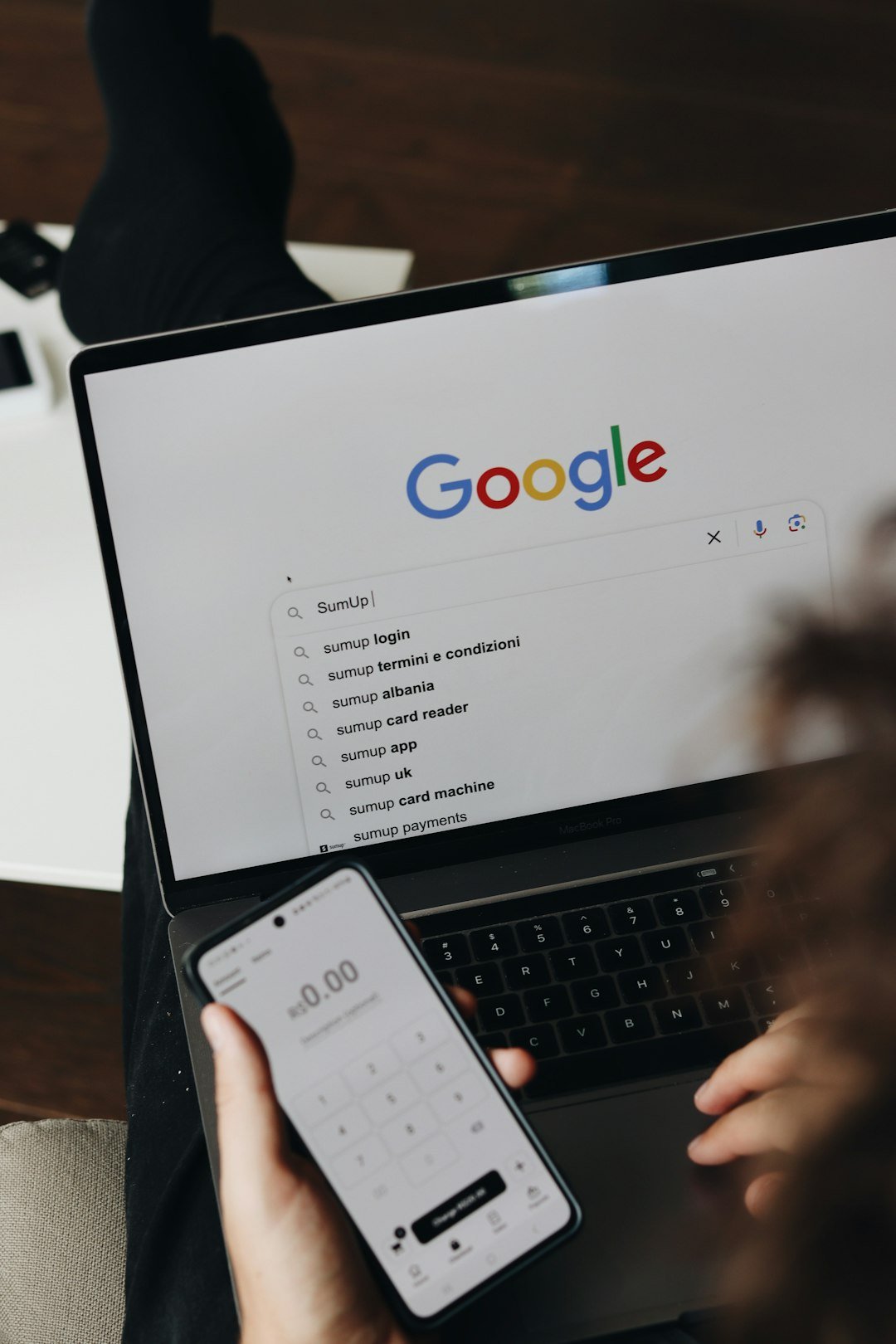
Search Engine Roundtable’s Bing and Microsoft Advertising tracking caught the new format: a single, dominant sponsored placement sitting at the top of the traditional search results page, noticeably larger and more visually prominent than the small text ads Bing has run for years.
One ad unit. Full width. Sitting above everything else on the page, including the first organic result.
This has been building all year
Treat this as a data point in a pattern rather than an isolated test. Through 2026, Bing has quietly run a string of experiments that each made its ad units a little bigger or a little harder to ignore: larger favicons next to sponsored results, bigger ad titles, multimedia formats that pull in images and video instead of plain text links. None of those individually looked dramatic. Stacked together, they tell a clear story about where Bing’s ad product team has been pointed all year.
A single giant ad block at the very top of the page is the logical next step after all of that, not a surprise swerve.
It also mirrors something Google already did. Google has spent the past couple of years expanding how much space sponsored results take up at the top of search, before AI Overviews ever entered the picture. Bing watching that playbook and running a version of it isn’t new behavior from Microsoft, it’s catch-up with a company that has always treated Google’s ad product decisions as a leading indicator.
What it means if you rank well
Ranking first organically has been losing ground in value for a while now, and this test accelerates that trend rather than starting it. A giant ad sitting above the fold on both desktop and especially mobile pushes every organic listing, including the one in position one, further down the screen a user actually has to scroll through before they reach it.
On mobile specifically, where screen real estate is already tight, one oversized ad block can be the difference between the top organic result sitting in view and it sitting a full scroll away. That’s not a hypothetical. It’s basic page geometry.
None of this means organic ranking stopped mattering. It still drives the citations that feed AI answers, it still drives the long tail of traffic that never sees a paid placement, and it’s still the only channel that doesn’t disappear the moment a budget gets cut. But the top spot isn’t the same prize it used to be if there’s a full-width ad sitting above it every time someone searches.
The pattern across both Bing stories this week
Put this next to the other Bing news making the rounds right now: Bing is also testing ads directly inside Copilot’s AI-generated answers, and the shape of what Microsoft is doing becomes obvious. It isn’t picking one surface to monetize. It’s expanding ad inventory on both the page people have searched for twenty years and the AI answer that’s supposed to replace parts of that experience. Same week, two different tests, same underlying goal: find more square footage to sell.
That’s worth remembering the next time someone says AI answers are going to kill the traditional results page. Bing clearly isn’t betting the house on that happening anytime soon, or it wouldn’t still be experimenting with bigger ads on the page it supposedly expects to matter less.
Why size creep is hard to walk back
Once a search engine establishes that a bigger ad unit performs better for advertisers, revenue pressure makes it very hard to shrink that unit back down later. Bing’s favicon and title size increases earlier this year almost certainly tested well, or they wouldn’t have stuck around. A full-width placement at the top of the page is the kind of format that, if it converts, becomes very difficult to justify removing in a quarterly ad-product review, no matter how much it crowds the page.
That’s the quiet mechanism behind most ad format creep across the search industry, not just at Bing. Each individual test looks modest in isolation. The cumulative effect, measured over a year or two, is a results page where a meaningfully smaller share of the visible screen belongs to anything the user didn’t pay to see. Google’s own results page has gone through exactly this slow transformation over the past decade, and nobody at Google ever framed a single update as “we are shrinking organic visibility.” It happened one test at a time.
What to actually do about it
Don’t panic, and don’t rewrite your SEO strategy over a test that may or may not ship broadly. Do start checking how your top pages render on an actual phone screen with a full-width ad above them, since that’s the view your traffic reports won’t show you directly. If a client leans heavily on Bing organic traffic specifically, flag this test to them now so the conversation happens before a ranking report looks worse next quarter, not after.
And keep an eye on whether this format graduates from test to permanent fixture. Bing’s past ad experiments haven’t all stuck. Some have. The multimedia ad formats did. The “Compare and Decide” chat cards did. There’s no guarantee this one follows the same path, but the base rate so far favors Bing keeping what works for its ad revenue.
The bottom line
Bing is converting more of page one into ad space, on both the classic results page and inside Copilot, in the same stretch of weeks. Organic ranking still matters, but it’s buying less visible real estate than it used to, and any SEO team that hasn’t checked how their top pages actually look under a full-width ad block should do that this week, not next quarter.

The Teck Hustlers Editorial Team covers technology, business, finance and gaming news for readers who want the story behind the headline. Every article is researched, written and edited by our in-house team, checked against company announcements, filings and reputable reporting, and updated when new facts emerge. We focus on what each development means for founders, professionals, investors and everyday users. Have a tip or a correction? Reach us through our contact page.