TL;DR: Google’s November 2026 core update started rolling out on November 10 and is still not finished two weeks later, running close to the full “up to two weeks” window Google itself gave. SEO trackers describe this as a quieter update than usual, though Google Search Console’s own performance reporting has been lagging, making it harder than normal to tell what actually moved.

Google said this one could take up to two weeks. Nobody is shocked it is taking close to two weeks.
The November 2026 core update began rolling out on Tuesday, November 10, at around 1 p.m. Eastern time, making it the third core update of the calendar year. Google’s own announcement set expectations early, warning the rollout could run the full two weeks before settling. As of November 20, well into that window, search industry trackers were still describing the update as actively in progress, with no confirmation yet that it has fully finished.
The interesting wrinkle in this particular rollout is the gap between when industry watchers expected the real impact to land and when site owners actually started noticing it. Search Engine Roundtable founder Barry Schwartz initially expected the update to wrap up roughly a week after November 16. But SEO consultant Glenn Gabe, writing an update on November 20, pointed to a different and earlier moment as the actual turning point: he believes the update’s real impact hit on Friday, November 13, with meaningful movement in rankings starting that day even though broader chatter in the SEO community did not pick up until the following Saturday, November 14, and continued building across that weekend.
Volatility itself has been noticeably milder than a typical core update, at least according to third-party rank tracking tools, though Schwartz is careful to flag a confounding factor: those same tools have been struggling to monitor changes accurately during this particular rollout, which means “quieter than usual” could partly reflect broken measurement rather than a genuinely gentler update. The trackers did show one clear spike in movement on Saturday, November 14, compared to the days around it, which lines up reasonably well with Gabe’s theory about when the real shift began.
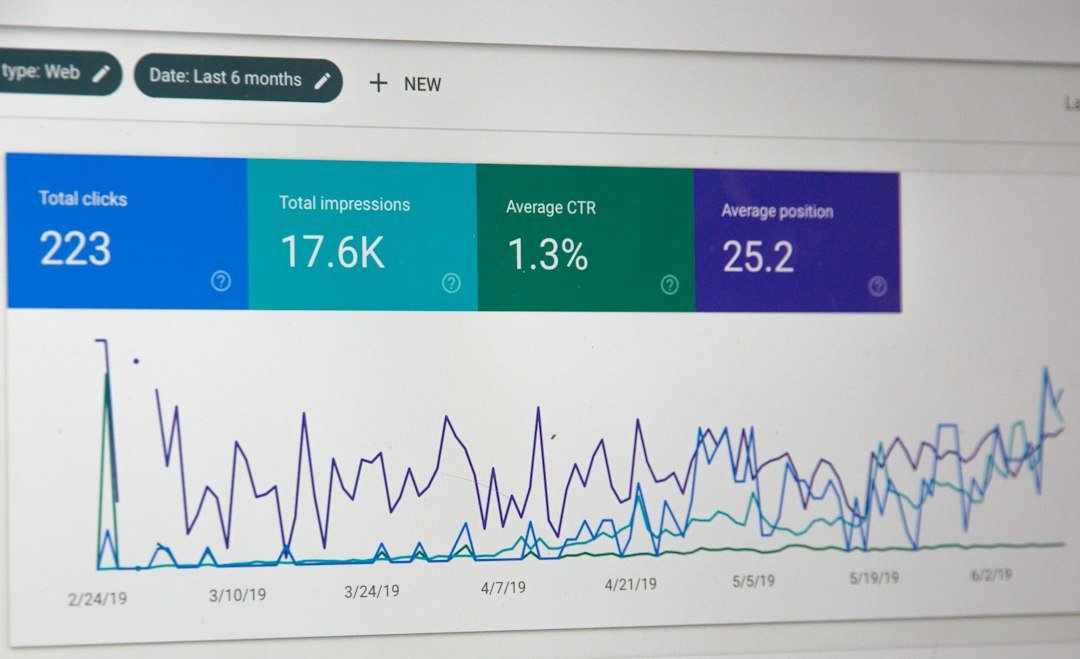
Google Search Console, which Gabe considers the single most reliable data source available to site owners for understanding what is actually happening to their own traffic, has had its own problems this cycle. Performance reporting inside Search Console has been running delayed throughout the update window, meaning site owners checking their own click and impression numbers have been working with data that lags behind real time by more than the usual day or two. Separately, and unrelated to the core update itself according to Gabe, earlier in November a surge in bot and automated agent clicks distorted some Search Console numbers for a stretch of sites, muddying the picture further for anyone trying to isolate what the core update specifically changed versus what was just noise from crawler traffic.
On the upside, Gabe notes that Search Console’s own visibility numbers have actually become more accurate in recent months as Google has gotten better at filtering out what he calls poisoned SERPs, meaning search results pages that have been artificially inflated by spam or manipulation before they get measured. That is a small bit of good news buried inside an otherwise messy measurement period: the tool getting better at filtering noise just happened to coincide with a stretch where multiple other sources of noise, bot traffic and update-related volatility both, were already complicating the picture.
Site owners reporting in to SEO forums and on social media describe a familiar mixed bag: some ranking gains, some losses, and shifts in conversion rates that do not always track cleanly with the ranking changes themselves, meaning a site can see traffic move without seeing revenue move the same direction, or vice versa. As of Gabe’s November 20 check, he reported no major reversals yet, meaning sites that gained or lost in the update’s early days were, for the most part, still sitting in that same position rather than bouncing back the other way as the rollout continued.
The sector-by-sector chatter so far skews toward the usual suspects for any core update: affiliate and comparison-shopping sites reporting some of the sharpest swings, YMYL content in health and finance seeing another round of scrutiny, and smaller independent publishers describing the now-familiar feeling of watching a competitor’s aggregator-style page outrank original reporting on the same topic. None of that is unique to November’s update specifically, but it is the same pattern search marketers have flagged after essentially every core update for the past two years, which makes it worth naming even without hard numbers attached yet.
What site owners should actually do while this keeps rolling
The standard advice during an active core update rollout has not changed in years, and it has not changed here either: resist the urge to make large structural changes to a site while a core update is still live, since any content or technical change made mid-rollout makes it functionally impossible to tell whether a later ranking shift came from Google’s algorithm or from your own edit. Wait for Google to confirm the rollout is complete, give rankings a week or two to settle after that confirmation, and only then start making changes based on what the update actually did to your specific pages. Teck Hustlers has covered this same discipline before around an earlier Google core update, and the guidance has aged well because Google’s own rollout mechanics have not fundamentally changed.
The bottom line
This update is taking close to its full stated window to finish, and the usual tools for measuring it are having an unusually rough stretch at the exact moment everyone needs them most. If your site’s numbers look strange right now, the honest answer is that strange numbers are the expected condition for the next several days, not necessarily a sign your content did something wrong. Wait for confirmation the rollout is done before drawing any real conclusions.

The Teck Hustlers Editorial Team covers technology, business, finance and gaming news for readers who want the story behind the headline. Every article is researched, written and edited by our in-house team, checked against company announcements, filings and reputable reporting, and updated when new facts emerge. We focus on what each development means for founders, professionals, investors and everyday users. Have a tip or a correction? Reach us through our contact page.