TL;DR: Uber has confirmed that hackers stole personal information, including driver’s license numbers, for 149,346 drivers after breaking into a third party AI vendor called Fireworks AI. The company says it has found no evidence the data has been misused, but the same intrusion also hit Notion and the AI coding tool Cursor.
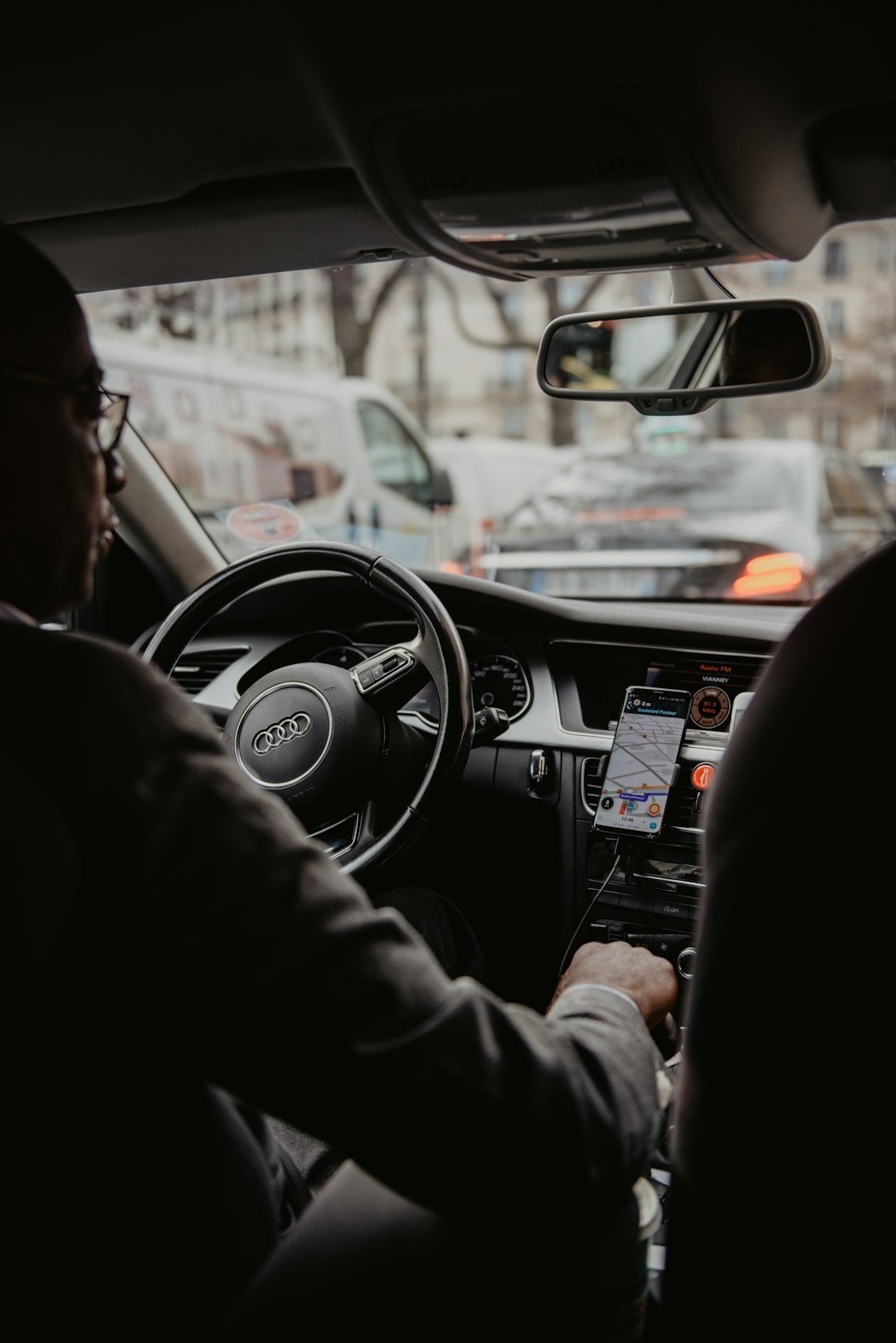
Uber’s October was already rough. Then came the letters.
In filings with state attorneys general in California, Iowa, Massachusetts, Texas and several other states, Uber disclosed that an unauthorized party accessed driver data connected to Fireworks AI, a cloud platform that lets companies run and fine tune open source AI models. The exposed records include names, home addresses, dates of birth and driver’s license numbers for 149,346 people, nearly all of them drivers rather than riders.
The timeline matters here. Fireworks AI says it first detected suspicious activity in its own systems on October 6, 2026. Three days later, on October 9, it told Uber that an intruder had gotten in using compromised credentials belonging to the AI vendor itself, not to Uber. Uber says it severed its connection to the provider immediately and opened an investigation, which by October 13 had confirmed the attacker reached Uber data stored on Fireworks’s infrastructure.
Fireworks AI has pinned the intrusion on a financially motivated criminal group whose business model, according to the company, is stealing and reselling access tokens for large language models rather than the driver records themselves. Nobody has publicly claimed credit for the breach, and no group has leaked the stolen files so far.
Uber is far from the only name on the casualty list. Notion has confirmed that chat transcripts belonging to a small slice of its workspaces, under 1 percent, were exposed in the same Fireworks incident. AI coding startup Cursor also disclosed that customer data was taken, and in Cursor’s case some affected users were hit with backdoor malware on top of the data theft. That is an unusual escalation for what started as a vendor breach, and it is why security researchers are treating Fireworks as a genuine supply chain incident rather than an isolated leak.
“Personal data like this rarely stays with the people who stole it,” said Jason Brown, director of customer advisory and counter fraud lead at iCOUNTER.
Why does a driver’s license number matter more than, say, a leaked email address? Because it is one of the harder pieces of identity to replace. A license number paired with a full name, date of birth and home address gives a fraudster most of what is needed to open a line of credit, file a fake tax return or pass a cursory identity check somewhere that is not paying close attention. Email passwords get reset in a day. A driver’s license sits on file with a state DMV for years.
Uber’s own statement to affected drivers stops short of admitting fault for the underlying intrusion, and understandably so, since the vulnerable system belonged to a vendor. But that distinction will matter more to Uber’s lawyers than to the roughly 150,000 drivers who now have to decide whether to freeze their credit or enroll in the identity monitoring service Uber is reportedly offering. Being a third party’s victim does not make the cleanup any less personal.
The state filings themselves are worth a closer look, because they reveal just how fragmented breach reporting still is in the United States. Uber had to notify attorneys general separately in California, Iowa, Massachusetts, Texas and a handful of other states rather than filing one unified disclosure, since each state sets its own threshold for what counts as a reportable breach and its own deadline for telling residents. That patchwork means a driver in one state might get a formal notice days before a driver in another state learns about the exact same exposure, simply because the two states have different legal clocks running.
There is a broader pattern worth naming. Uber disclosed a separate security incident earlier this year at its freight shipping unit, where an extortion gang claimed responsibility for stealing data. That makes this the company’s second publicly known breach of 2026. Pair that with Teck Hustlers’ earlier coverage of the Optimizely supply-chain hack that hit 178 organizations including the BBC and CNN, and a trend comes into focus: attackers increasingly go after the smaller AI infrastructure company sitting behind a household name, because its defenses are often weaker and the payoff, once you are inside, reaches every client on its customer list.
What drivers affected by the breach should actually do
Security advisors generally recommend four concrete steps after a breach involving a government ID number. Place a fraud alert or credit freeze with the three major credit bureaus. Watch bank and credit statements closely for the next several months, not just the next few weeks. Be suspicious of any unsolicited call, text or email claiming to be from Uber, the DMV or a bank, since breach notifications themselves get spoofed by scammers within days of going public. And if a state offers free credit monitoring after a breach notification, as several states require companies to provide, take it. It costs nothing and catches more than most people expect.
Uber has not said publicly how many drivers, if any, have already reported suspicious activity tied to the stolen data, and a company spokesperson has so far declined to give reporters a number for total drivers affected beyond what shows up in the state filings. That silence is standard corporate practice during an active investigation, but it leaves drivers guessing at exactly how exposed they are.
The bottom line
This breach says less about Uber’s own security posture and more about how much of the AI boom runs on vendors nobody outside the industry has heard of. Fireworks AI is not a household name, but it sat close enough to Uber’s driver database, Notion’s workspaces and Cursor’s codebase that one compromised credential turned into three separate corporate disclosures. If your company has handed sensitive data to any AI infrastructure vendor in the last year, now is a good time to ask that vendor exactly what they do with compromised credentials, because the answer apparently matters more than how big their logo is.

The Teck Hustlers Editorial Team covers technology, business, finance and gaming news for readers who want the story behind the headline. Every article is researched, written and edited by our in-house team, checked against company announcements, filings and reputable reporting, and updated when new facts emerge. We focus on what each development means for founders, professionals, investors and everyday users. Have a tip or a correction? Reach us through our contact page.