TL;DR: Google has signed a launch deal with Jeff Bezos’ Blue Origin to send its Project Suncatcher satellites into space on a heavy-lift New Glenn rocket, with the first flight targeted for the first quarter of 2029. Each satellite will carry Google’s Tensor Processing Units and roughly the computing capacity of a full data center rack, running on solar power in a sun-synchronous orbit. The bet is that free sunlight and the vacuum of space beat the land, water and electricity bill of building AI data centers on Earth, though nobody has proven the idea works at scale yet.
A launch date for Google’s space data center bet
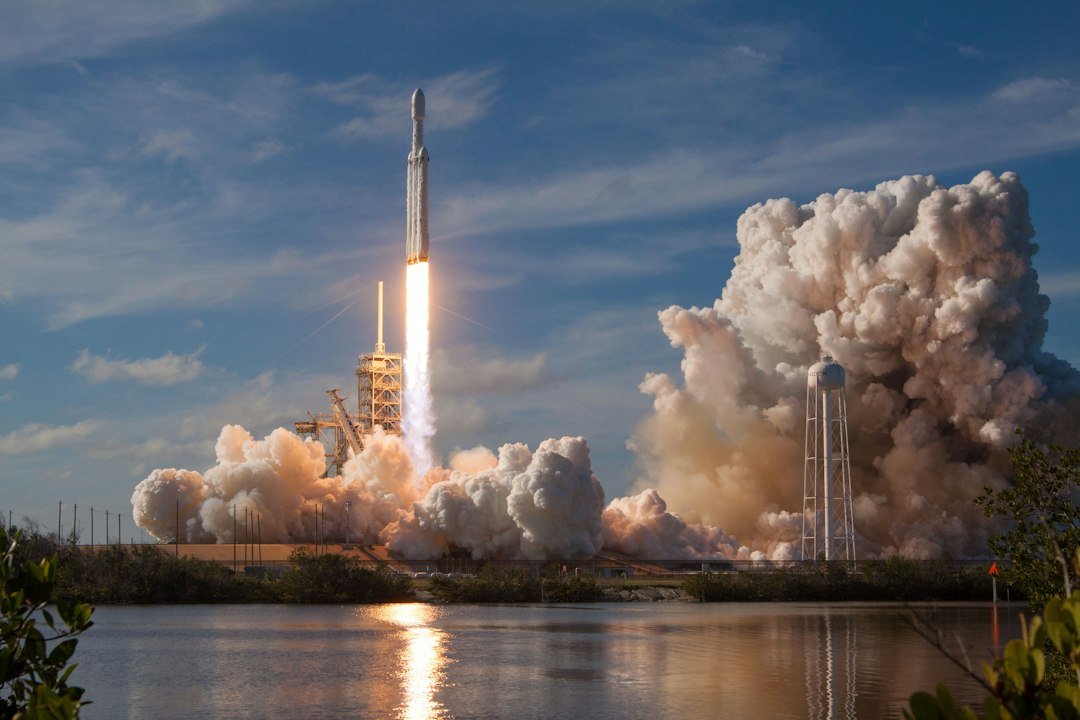
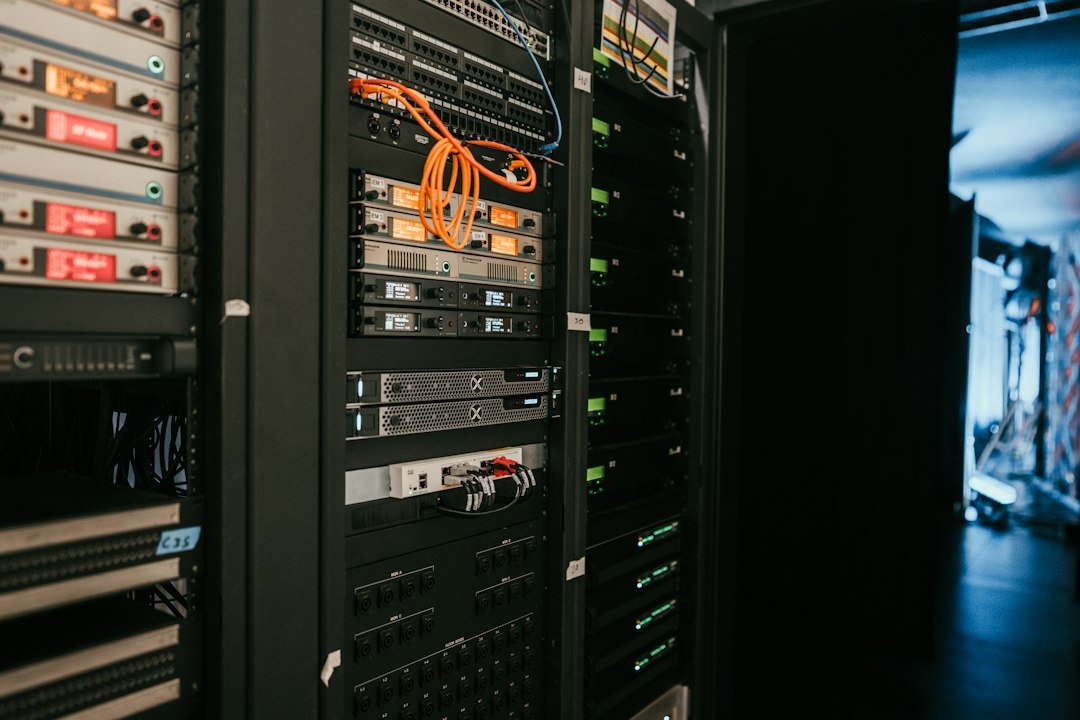
Google announced the agreement on its own blog Thursday, confirming that Blue Origin’s New Glenn rocket will carry the first heavy-lift Suncatcher payload. Travis Beals, a senior director on Google’s AI infrastructure team, called it “a crucial milestone” in the company’s effort to expand what’s possible for the future of compute. The satellites will fly into a sun-synchronous orbit, the kind that keeps solar panels pointed at the sun almost constantly, and each one is built to pack roughly as much processing power as a single rack in a terrestrial data center.
This isn’t Google’s first attempt. The company put its first prototype AI server satellite into low Earth orbit back in October, though that unit can only run for about 15 minutes at a stretch before it loses its solar angle. The 2029 heavy-lift mission is meant to prove the concept works at a scale that actually matters for training or running AI models, not just a quick technology demo.
Why bother putting servers in orbit
Data centers on Earth are expensive neighbors. They eat land, they drink water for cooling, and they strain local power grids hard enough that utilities have had to rework their planning around them. Google itself has been striking land deals to keep up, including its arrangement with Crusoe for a new data center campus in Wyoming, and the same pressure is pushing other hyperscalers to chase power wherever they can find it. Residents near existing facilities have also complained about the constant noise from cooling systems, a problem that doesn’t exist once the hardware is floating in the vacuum of space.
Solar power in orbit is also far more reliable than solar power on the ground. There’s no cloud cover, no nightfall in the right orbit, and no weather to knock a panel offline. If Google can get enough compute into space and keep it running, the pitch is that AI infrastructure stops competing with cities for electricity and water.
The engineering problems nobody has solved
Carnegie Mellon electrical and computer engineering professor Brandon Lucia told the New York Times that scaling from a single test satellite to a real network “will take years and enormous funds,” and that building at a larger scale brings its own fresh set of problems. Cooling is one of the biggest. Heat doesn’t dissipate in space the way it does on Earth, since there’s no air to carry it away, so Suncatcher satellites need to shed heat through radiator panels and pipes instead of fans and chillers.
Radiation is another headache. Cosmic rays can flip a bit from a zero to a one or back again inside a chip, an error called a bit flip that can corrupt calculations or crash a system outright. Then there’s the cost of getting hardware off the ground in the first place. A single Falcon 9 launch runs around $74 million, and its payload can barely fit the hardware for a small server room, let alone anything close to a hyperscale data center. Google is betting New Glenn’s heavier lift capacity changes that math, but the first real test of that bet is still more than two years away.
Google isn’t the only one eyeing the sky
SpaceX has floated its own version of this idea, with Elon Musk describing a plan to build a satellite catapult on the Moon, a concept that sounds more like science fiction than infrastructure planning. Startups including Starcloud are chasing a similar bet on orbital compute, and the race for off-planet power sits alongside the industry’s more familiar scramble for terrestrial energy, the same scramble that’s pushed companies like SpaceX toward projects such as its gas-fired power plant near Starbase to keep rockets and facilities running. Whether any of these space-based approaches beats simply building more power plants on the ground is still an open question.
The debris problem waiting at the end of this
Putting more hardware into orbit raises an old worry: Kessler syndrome, the scenario where orbital debris gets so dense that collisions set off a chain reaction of more debris, eventually making parts of low Earth orbit unusable. Scientists first described the risk when fewer than 2,000 objects circled the planet. That number has since climbed past 47,000, and Musk has floated adding millions more satellites to the mix through future Starlink expansions. Google’s Suncatcher satellites would add to a crowd that’s already grown more than twentyfold since the concept was first described.
The bottom line
A 2029 launch date gives Google plenty of time to work through cooling, radiation and cost problems that haven’t been solved by anyone yet, and that’s probably the point. This is a moonshot in the literal sense, a long bet with a real chance of going nowhere. But it also signals something bigger: the AI infrastructure race that’s been eating land and power on Earth is now looking for room off the planet entirely. Whether Suncatcher becomes a real data center network or stays a research curiosity, Google just put a hard date on when we’ll start finding out.

The Teck Hustlers Editorial Team covers technology, business, finance and gaming news for readers who want the story behind the headline. Every article is researched, written and edited by our in-house team, checked against company announcements, filings and reputable reporting, and updated when new facts emerge. We focus on what each development means for founders, professionals, investors and everyday users. Have a tip or a correction? Reach us through our contact page.