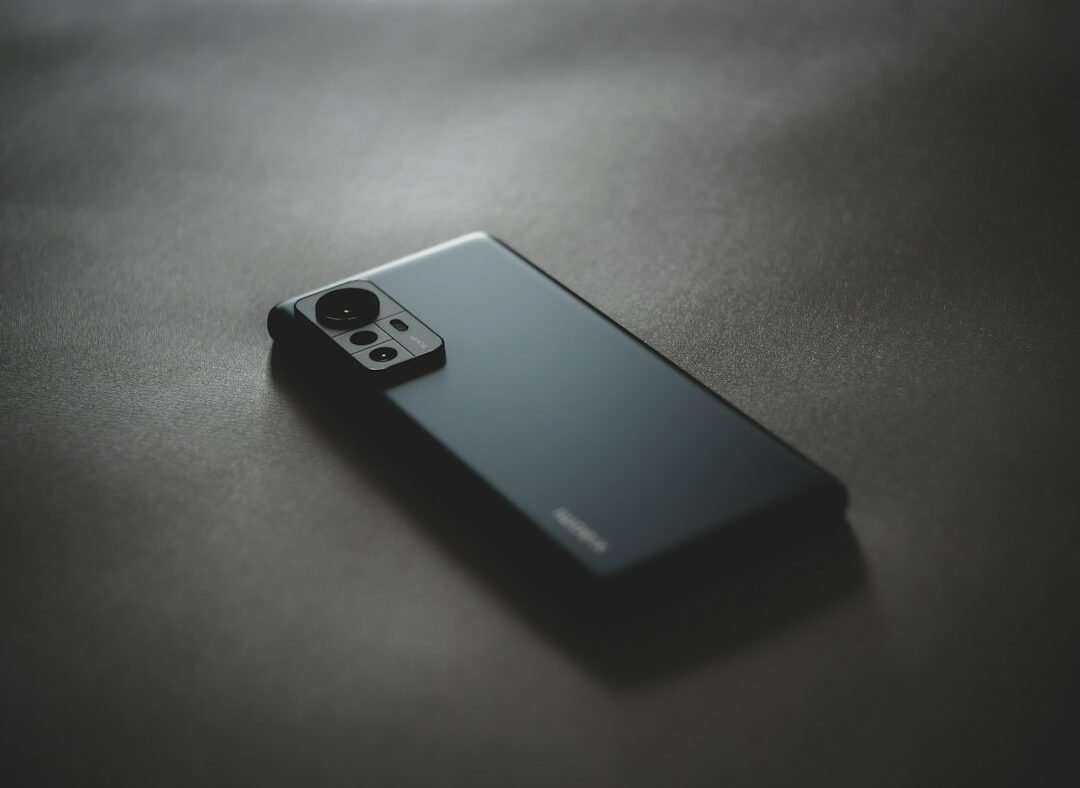
TL;DR: Xiaomi launched the 18 Pro and 18 Pro Max globally today at an event in Paris, bringing its dual-screen flagships to the UK and Western Europe for £1,199 and £1,400. The headline feature isn’t the camera hardware, it’s a generative AI tool that lets owners type a description of a simple app and have the phone build it for the tiny rear display. The phones won’t be sold in the US.
Xiaomi took its 18 Pro series out of China today, holding a global launch event in Paris after the phones debuted domestically on September 23. Reviewers at Engadget, TechRadar and DPReview had hands-on units ahead of the event, and the first wave of impressions landed within the hour of the announcement.
What’s actually new
The two phones share a design language but split on size and power. The 18 Pro has a 6.40-inch main display and a 2.7-inch rear display, while the Pro Max steps up to a 6.9-inch front screen and a 2.9-inch rear panel. Both back displays double as camera viewfinders and run at up to 120Hz with peak brightness around 4,000 nits.
| Spec | Xiaomi 18 Pro | Xiaomi 18 Pro Max |
|---|---|---|
| Chip | Snapdragon 8 Elite Gen 6 | Snapdragon 8 Elite Extreme Gen 6 |
| RAM | 12GB | Up to 16GB |
| Battery | 6,000mAh, 90W charging | 7,050mAh, 100W charging |
| Main display | 6.40 inches | 6.9 inches |
| Rear display | 2.7 inches | 2.9 inches |
| UK price | £1,199 (about $1,580) | £1,400 (about $1,850) |
The Pro Max is the first phone on the market built around Qualcomm’s Snapdragon 8 Elite Extreme Gen 6, a step up from the standard Elite Gen 6 in the regular Pro. Both chips are built on a 2nm process. Battery capacity grew too, up roughly 1,000mAh over last year’s 17 Pro series thanks to silicon-carbon cells.
An AI that writes its own apps
The feature Xiaomi is pushing hardest is new to the back display. Using generative AI, owners can describe a small, single-purpose app or widget in a sentence or two and the phone attempts to build it on the spot, similar in spirit to Apple’s AI-assisted Shortcuts. Xiaomi says the 18 Pro ships with more than 50 preset mini apps, with the generative option meant to fill gaps developers haven’t bothered to cover for a 2.7-inch screen.
In practice, early hands-on time from Engadget found it a mixed bag. One reviewer tried building a cracked-glass prank wallpaper and asked the AI repeatedly to drop an on-screen crack counter; it kept adding the counter back in regardless. A guess-the-flag quiz leaned heavily on the roughly 25 most recognizable flags, and asking the tool to expand the pool by 100 more countries caused it to stall. Xiaomi has added a “polish” button that rewrites a rough prompt into something the generator handles better, which helps, but the feature needs an internet connection and runs noticeably slower than generative coding tools people are used to on desktop.
The rest of the back display’s job is more familiar: camera viewfinder, notifications, maps, weather, and a pin-to-back function for boarding passes or QR codes. Spotify, YouTube Music and Google Maps are now among the first third-party apps to support the smaller screen directly, and Xiaomi says Gemini Live is also supported there, though reviewers haven’t gotten that to work yet on review units.
Cameras and the rest of the spec sheet
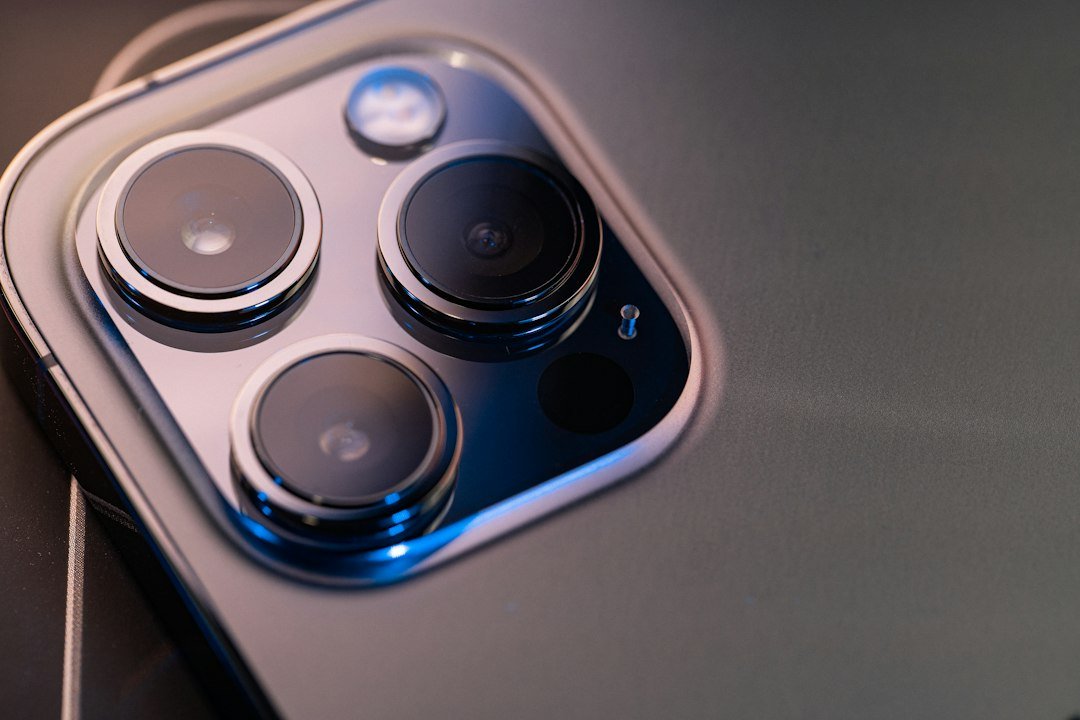
Both phones carry dual 200-megapixel Leica Summilux cameras at f/1.67, plus a 200-megapixel periscope telephoto at f/2.4 with 3.2x optical zoom and up to 12.8x zoom using in-sensor cropping, and a 50-megapixel ultrawide. The Pro Max’s main sensor, a Light Fusion 960L, adds LOFIC technology for better dynamic range in bright or mixed light; the standard Pro uses the same sensor without that feature. Leica’s “Essential Moments” shooting mode now offers three color-grade styles instead of one, including two simulated classic lens options.
The front display on both models carries Xiaomi’s own Privacy Display tech, which narrows the viewing angle for specific apps (banking, galleries, dating apps) and can be paired with a gaze-detection mode that warns you if someone appears to be looking over your shoulder.
Price and where you can actually buy one
The 18 Pro and 18 Pro Max are rolling out across the UK and parts of Western Europe starting today, available to order through Xiaomi directly and through Amazon in the UK. Neither phone is coming to the US. At £1,199 and £1,400, both sit above last year’s 17 Ultra, continuing a trend of rising flagship pricing that’s shown up across the industry this year, including in Oppo’s recent Find X10 Pro Max launch and OnePlus’s push upmarket with the OnePlus 16. Xiaomi is betting the rear-display gimmick and the AI app generator are enough to justify the premium over cheaper Android flagships and, increasingly, over Apple’s own lineup, which expanded its app ecosystem to include the foldable iPhone Duo earlier this month.
FAQ
Is the Xiaomi 18 Pro coming to the US?
No. Xiaomi confirmed the global rollout covers the UK and parts of Western Europe, with no US launch planned for either model.
What’s the actual price difference between the two models?
The 18 Pro starts at £1,199 (about $1,580) and the Pro Max at £1,400 (about $1,850), a £201 gap that buys a larger main and rear display, more RAM, a bigger battery and the newer Snapdragon 8 Elite Extreme Gen 6 chip.
Can the AI mini-app feature build anything complex?
Not yet. Hands-on testing found it works for simple, single-purpose widgets but struggles with requests that go beyond its presets, and it needs an internet connection to generate anything.
The bottom line
Xiaomi isn’t trying to out-camera anyone this cycle. The pitch is a second screen that’s finally useful for more than notifications, with AI thrown in to make it customizable without needing a developer. Whether a flip-phone-style back display and a hit-or-miss app generator are worth a four-figure price tag is a separate question, and one European buyers will start answering with their wallets this week.

The Teck Hustlers Editorial Team covers technology, business, finance and gaming news for readers who want the story behind the headline. Every article is researched, written and edited by our in-house team, checked against company announcements, filings and reputable reporting, and updated when new facts emerge. We focus on what each development means for founders, professionals, investors and everyday users. Have a tip or a correction? Reach us through our contact page.