TL;DR: Rivian is licensing its in-car AI voice assistant to Volkswagen as part of their existing $5.8 billion joint venture, with VW’s cheap new ID. EVERY1 hatchback likely first in line to get it. Rivian’s CEO says the bigger idea is an “agentic framework” flexible enough that other companies’ AI, even Anthropic’s, could eventually plug in.
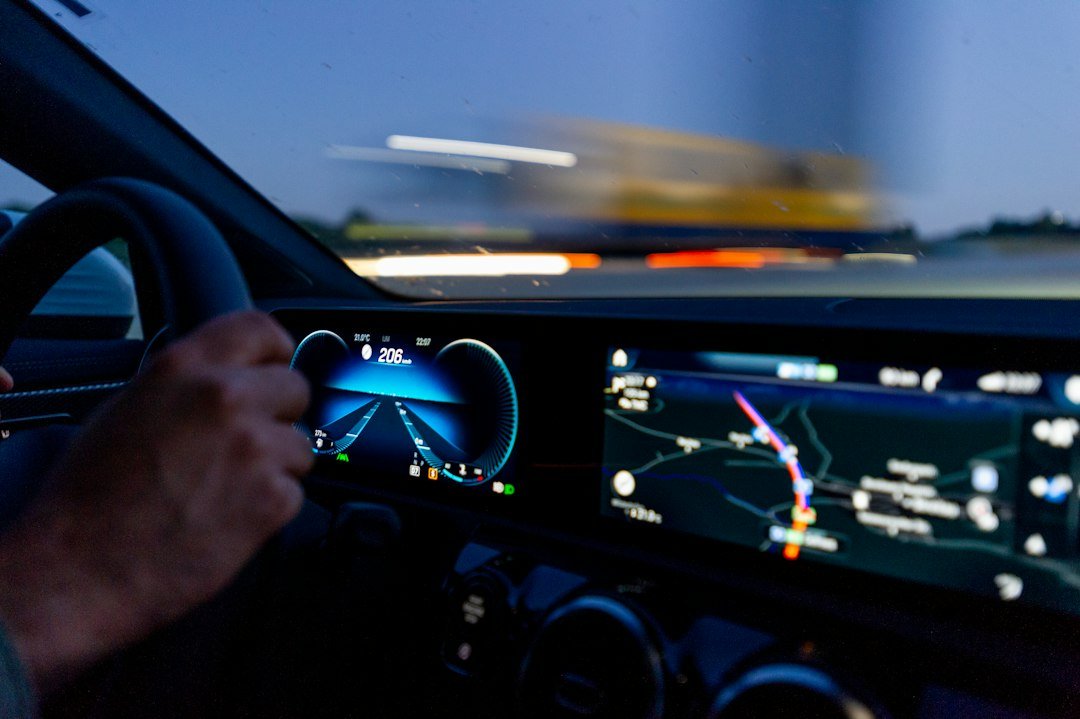
Buried inside Rivian’s Thursday investor presentation was a detail that matters more than most quarterly slide decks: the electric automaker is expanding its joint venture with Volkswagen Group to include its AI voice assistant, not just the underlying vehicle software VW originally signed up for.
The joint venture itself isn’t new. Volkswagen and Rivian set it up in November 2024, originally valued at up to $5 billion before VW bumped its commitment to as much as $5.8 billion by 2027. The original pitch was straightforward: Rivian’s electrical architecture and software are genuinely modern, VW’s aren’t, and VW has struggled for years to ship a vehicle that feels software-native the way a Tesla does. Paying for Rivian’s platform was cheaper and faster than building an equivalent one in-house.
Now that arrangement is growing to cover the assistant drivers actually talk to. Rivian didn’t disclose licensing fees or exactly which VW vehicles will get it, but the likeliest early candidate is VW’s ID. EVERY1, a small, low-cost EV already slated to be the first VW model built on Rivian’s software and electrical architecture under the joint venture.
The assistant itself has had a longer road than Rivian probably wanted. The company spent roughly two years building it, first showed it publicly in 2025, and finally shipped it to the R1S and R1T in May 2026, with the new R2 midsize SUV getting it just last month. That’s a slow rollout for something now being handed to a second automaker’s product line, which tells you Rivian thinks it’s ready for a much bigger audience than its own buyers.
“Our relentless focus on vertical integration remains a core competitive differentiator, allowing Rivian to seamlessly unify our hardware and software architecture to deliver significant value to our customers,” the company said in its investor presentation.
What’s more interesting than the VW licensing deal is what Rivian founder and CEO RJ Scaringe said about it on stage at TechCrunch Disrupt. He described an in-house “agentic framework” built to interpret what a driver or passenger actually wants when they speak, then route that request to whichever part of the car’s software can handle it. That’s a deliberately generic design, and Scaringe said as much: the same framework could eventually let Rivian vehicles run AI agents built by other companies entirely, name-checking Anthropic as a possible example.
That’s a bigger claim than “our car has a voice assistant now.” It’s Rivian positioning its software stack as a platform other AI companies could build on top of, the same way app developers build on an operating system rather than writing their own from scratch. Whether that actually happens depends on deals nobody has announced yet, but the framing itself tells you where Rivian wants this to go.
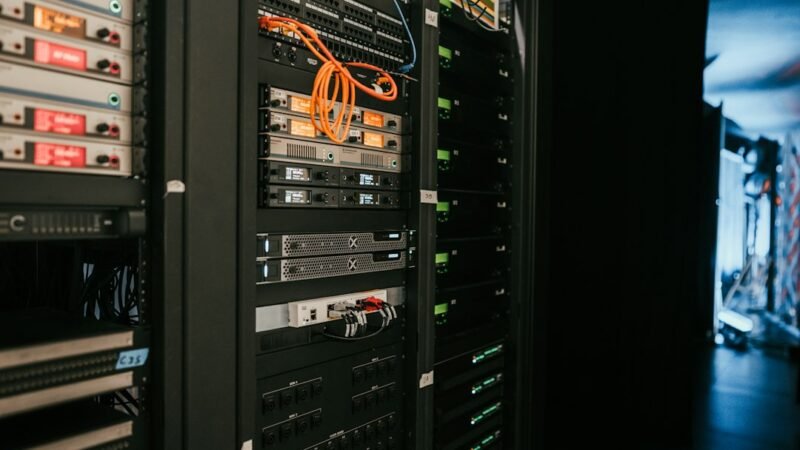
The hardware side backs up the pitch. Rivian’s R1T and R1S got a serious overhaul this year, cutting the number of electronic control units in the vehicles from 17 down to seven and trimming the wiring harness that connects them. Fewer, more capable control units mean Rivian can push software updates across the entire vehicle, lighting, sound, sensors, displays, all at once over the air, rather than patching one subsystem at a time. That’s the plumbing an “agentic framework” actually needs to work the way Scaringe described it, and it’s also exactly the kind of deep vertical integration VW doesn’t have and has been paying Rivian handsomely to borrow.
There’s an obvious parallel to Waymo’s new deal with Toyota, announced just days earlier (covered here): a legacy automaker buying its way into modern vehicle software rather than racing to build it internally. VW did that with Rivian well before Toyota did it with Waymo, and the AI assistant expansion is VW doubling down on a bet it already made, not placing a new one.
It’s also worth putting Rivian’s AI ambitions next to what other companies are spending on the same underlying technology right now. A Y Combinator CEO recently admitted to spending up to $200,000 a year on AI agent tokens for his own workflow, a reminder that the compute costs behind “agentic” anything are not small, whether you’re running agents inside a car or inside a startup accelerator.
Rivian hasn’t said whether the AI expansion increases the $5.8 billion VW has committed to the joint venture, and don’t expect that number to move publicly anytime soon. Investors seemed more interested in Thursday’s presentation for what it implied about Rivian’s software ambitions generally than for any new dollar figure.
There’s a risk in this strategy that Rivian hasn’t addressed publicly yet, which is brand dilution. Part of what makes Rivian’s assistant distinctive right now is that it only exists in Rivian vehicles, tied to a specific, premium driving experience. The moment the same underlying technology shows up in VW’s cheapest EV, the assistant stops being a Rivian-exclusive feature and starts being infrastructure, more like the operating system comparison Scaringe himself reached for. That’s probably the right long-term business decision, licensing software scales in a way that selling trucks alone doesn’t, but it does mean Rivian is trading some of its current differentiation for a bigger addressable market down the line.
The bigger strategic question is whether other automakers follow VW’s lead. Volkswagen took this path partly out of necessity, after years of well-documented struggles with its own in-house software division, Cariad, which has gone through multiple restructurings and leadership changes trying to build exactly what Rivian is now licensing to it. Other legacy manufacturers watching this deal succeed, or fail, will be weighing the same calculation: keep burning money trying to build competitive vehicle software internally, or pay a company that’s already solved the hard parts and get to market years faster.
The bottom line
Rivian built a voice assistant for its own cars and discovered, two years later, that the bigger business might be licensing the framework underneath it to everyone else. VW is the first customer, but Scaringe’s comments about Anthropic and third-party agents suggest Rivian wants to be the platform, not just the car company. That’s a much bigger bet than it looks like from the outside, and whether it pays off depends entirely on deals that haven’t been signed yet.

The Teck Hustlers Editorial Team covers technology, business, finance and gaming news for readers who want the story behind the headline. Every article is researched, written and edited by our in-house team, checked against company announcements, filings and reputable reporting, and updated when new facts emerge. We focus on what each development means for founders, professionals, investors and everyday users. Have a tip or a correction? Reach us through our contact page.