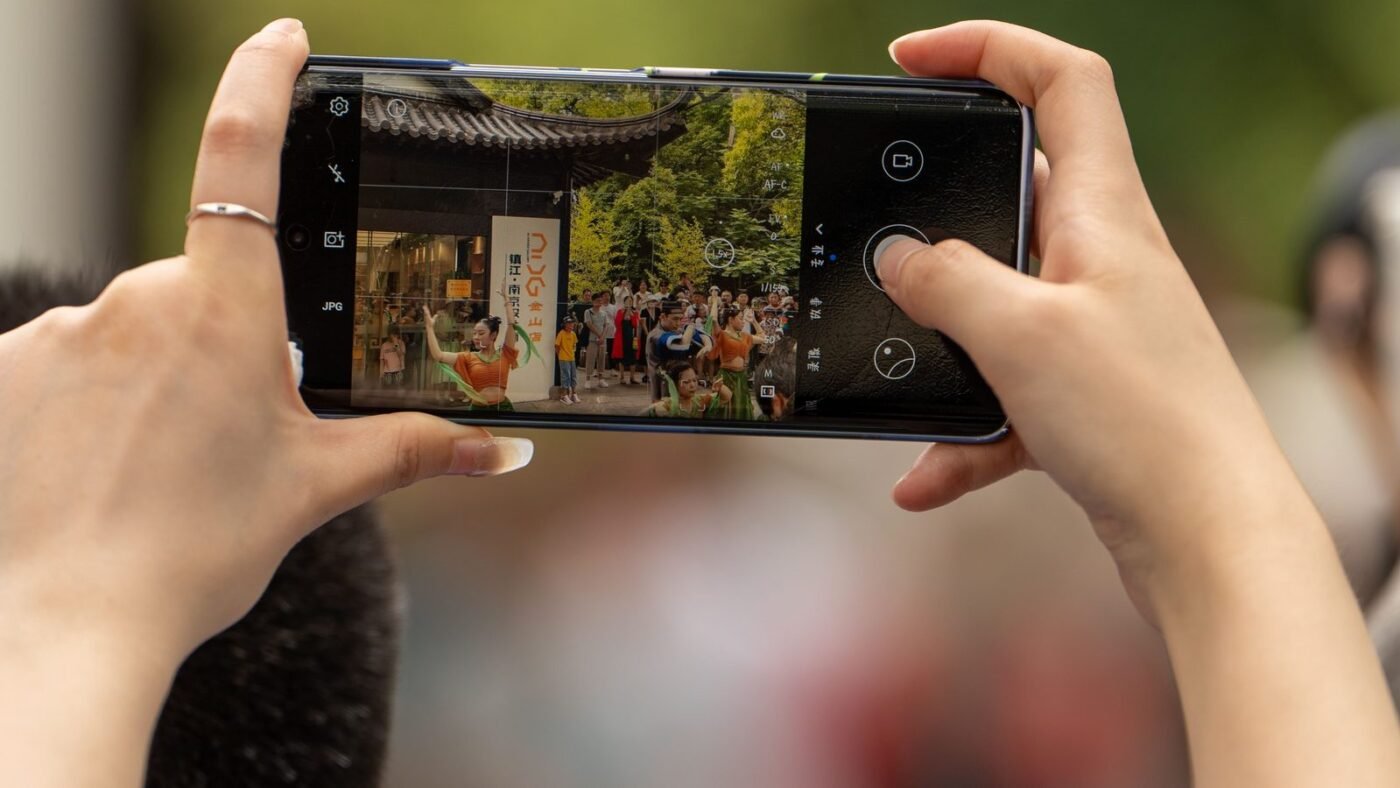
TL;DR: What is multimodal AI? It is artificial intelligence that can take in, connect and produce more than one type of data, such as text, images, audio and video, instead of handling just one. When you snap a photo of a broken appliance and ask a chatbot what is wrong, or talk to a voice assistant that can also see through your camera, you are using multimodal AI. It works by turning each type of input into a shared internal representation the model can reason over, and it powers today’s leading assistants from OpenAI, Google and Anthropic.
For most of AI’s history, models were specialists. One read text, another recognized images, a third transcribed speech. What is multimodal AI doing differently? It puts those senses together in one system, much as people combine sight, sound and language without thinking about it. This guide explains the idea in plain English, shows how it works under the hood and covers where it helps and where it still stumbles.
What is multimodal AI, in simple terms?
A “modality” is a type of data. Text is one modality; images, audio, video, sensor readings and computer code are others. IBM defines multimodal AI as machine learning models capable of processing and integrating information from multiple modalities, and notes that this gives them a more complete understanding of context than single-modality systems.
Think of the difference between reading a recipe and watching a cooking video with the sound on. The video carries more context: the color of the onions, the sizzle in the pan, the chef’s tone. A multimodal model can use all of those signals at once.
Unimodal vs multimodal AI
| Unimodal AI | Multimodal AI | |
|---|---|---|
| Inputs | One data type (for example, text only) | Two or more (text, images, audio, video) |
| Example | A spam filter that reads email text | An assistant that reads a chart in a screenshot and explains it aloud |
| Context | Limited to what that one format contains | Can cross-check one signal against another |
| Outputs | Usually the same type as the input | Can answer in a different format, such as text from an image |
How multimodal AI works
The details vary by model, but most systems follow the same three-stage pattern that IBM and other researchers describe:
- Encoding. Each input type goes through an encoder that turns it into numbers. Text is split into tokens; an image is cut into small patches; audio is converted into short frames.
- Fusion. The model maps those numbers into a shared space so that the word “dog,” a photo of a dog and the sound of barking end up close together. This alignment is what lets it reason across formats.
- Output. A decoder generates the answer, which could be text, speech, an image or a mix.
Early, late and native fusion
Older designs often bolted separate models together: a speech-to-text model fed a language model, which fed a text-to-speech model. That “late fusion” works but loses information along the way, such as tone of voice. Newer frontier models are trained on mixed data from the start. Google said its original Gemini models were built to be multimodal from the ground up, and OpenAI described GPT-4o as a single model trained end to end across text, vision and audio. The company’s claim is that this lets the model pick up cues like laughter or background noise that a pipeline would drop.

Real-world examples of multimodal AI
You have probably used several of these already:
- Visual question answering: photograph a menu in another language, a math problem or an error message and ask the assistant about it.
- Live voice and camera assistants: talk to an AI while pointing your phone at something, as in Google’s Gemini Live or ChatGPT’s voice mode with video.
- Image and video generation: type a description and get a picture or clip back. Our ranking of the best AI image generators covers the leaders.
- Smart glasses: devices like the HTC VIVE Eagle pair a camera with a voice assistant so you can ask about what you are looking at.
- Document understanding: models that read scanned forms, tables and charts rather than just plain text.
- Robotics and self-driving: systems that fuse camera, lidar and map data to understand the physical world.
Why multimodal AI matters
The main benefit is context. A model that can see the screenshot does not need you to describe it, which saves time and cuts misunderstandings. Multimodal input is also more accessible: people who struggle to type can speak, and people with low vision can ask an AI to describe an image. For businesses, it opens up data that used to be hard to search, such as call recordings, product photos and video archives. Multimodal retrieval even extends RAG so that assistants can pull answers from images and diagrams, not just text.
Limits and risks to know about
Multimodal AI is impressive, but it is not magic. Keep these weaknesses in mind:
- Visual mistakes: models can misread small text, miscount objects or invent details that are not in a photo.
- Higher cost: images and audio consume far more tokens than short text prompts, which eats into the context window and raises API bills.
- Privacy: sharing photos, screens or voice can expose more personal data than you intend, so check what a service keeps and trains on.
- New attack surface: IBM and other security researchers warn that instructions hidden inside images or audio can be used to manipulate models.
- Harder to evaluate: testing a model’s accuracy across every combination of formats is much tougher than grading text answers.
How to get more from multimodal AI tools
A few habits make a big difference. Crop images to the part that matters. Use clear, well-lit photos. Ask a specific question rather than “what is this?” And verify anything important, such as a reading from a chart, against the original. The same principles from prompt engineering apply: give context, state the goal and specify the format you want back.
The bottom line
So, what is multimodal AI? It is AI that can see, hear and read at the same time, and respond in whichever format makes the most sense. It is the reason modern assistants can explain a photo, hold a spoken conversation or turn a sketch into code. It still makes mistakes and raises fresh privacy and security questions, but it is quickly becoming the default way people interact with AI. If you want to see where it heads next, read our explainer on agentic AI, where multimodal models start taking actions, not just answering questions.

The Teck Hustlers Editorial Team covers technology, business, finance and gaming news for readers who want the story behind the headline. Every article is researched, written and edited by our in-house team, checked against company announcements, filings and reputable reporting, and updated when new facts emerge. We focus on what each development means for founders, professionals, investors and everyday users. Have a tip or a correction? Reach us through our contact page.