Published: October 18, 2026 · Last updated: October 18, 2026
TL;DR: Microsoft has canceled its agreement to anchor Nscale’s flagship UK data center in Loughton, Essex, where it had committed to renting 23,000 Nvidia AI chips. The site has been stuck waiting on a grid connection that may not arrive until the 2030s, and the pullout lands just weeks before Nscale tries to pull off a $35 billion listing on Wall Street.
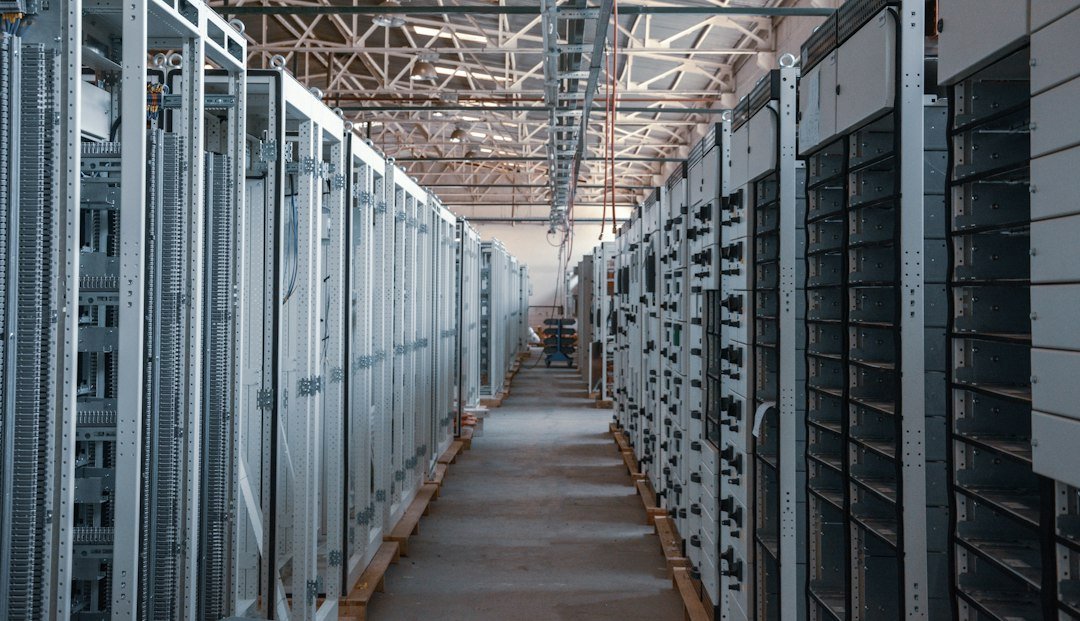
Nscale built its two-year run on a simple pitch: Britain needed its own AI infrastructure, and it would build it. On Sunday, that pitch took a direct hit. Microsoft has told the company it is walking away from its agreement to be the anchor tenant at Nscale’s Loughton, Essex site, where it had signed on to rent 23,000 Nvidia AI chips, according to the Telegraph, which first reported the cancellation. Microsoft was described as the site’s only announced customer, and the facility was originally supposed to come online next year.
Microsoft did not comment on the record. Nscale’s explanation points squarely at the UK power grid. Grid officials have told the company they do not expect a reliable power supply at the site until sometime in the 2030s, a delay that leaves a facility stacked with high-end chips sitting in limbo with no clear timeline to actually switch on. A Nscale spokesperson said the relationship with Microsoft “remains strong and long-term” and that “this unfortunate London-wide grid issue has no impact on our other contracts,” adding that the company is exploring alternative power sources for Loughton along with other UK expansion sites.
The stakes go well beyond one site. Nscale was founded by Australian entrepreneur Josh Payne, a former coal miner, just two years ago, and has grown fast enough to put former Facebook executives Sheryl Sandberg and Nick Clegg on its board. It carries a private valuation of $15 billion and says it has $103 billion in contracted revenue, with more than 40 percent of that tied to Microsoft, though the Essex deal was reportedly a small slice of that total. Anthropic is another major customer. Nscale is now pushing toward a US stock listing that could value it at up to $35 billion, and the timing could not be worse for a hiccup with one of its two largest customers to surface in public.
The UK grid keeps getting in the way of AI buildouts
Microsoft’s backing for the Essex project was part of roughly £22 billion in UK investment the company pledged last year during Donald Trump’s state visit, with Prime Minister Keir Starmer framing it as a step toward Britain becoming a world leader in AI. Ministers reportedly lobbied councillors to push the project through. None of that solved the underlying problem: Britain’s grid connection queue is long, and electricity prices are high enough that OpenAI suspended a separate “Stargate” data center project with Nscale on Tyneside back in April, citing those same power costs. Nscale has also hit delays at a flagship site in Norway that reportedly triggered heavy contractual penalties. A sovereign AI infrastructure strategy only works if the power actually shows up, and right now the UK’s grid is the bottleneck nobody in Westminster can fast-track.
A rough week to be selling an AI infrastructure IPO
Nscale is not the only company finding this a bad moment to lean on debt-fueled AI infrastructure growth. Australian rival Firmus scrapped plans for its own $20 billion listing earlier this month, citing market conditions. Shares and bonds at neoclouds CoreWeave and Nebius have slumped, and data center developers broadly have seen their stock prices drop over the past week on worries about repaying debt as interest rates and inflation climb. Gartner warned last week that as much as $3.5 trillion could get written off by 2030 if AI spending does not deliver the returns investors are pricing in. Nvidia CEO Jensen Huang was in London days earlier praising Nscale as potentially “the most valuable UK startup” created in a decade. That gap is the kind of whiplash investors are bracing for across AI infrastructure stocks right now.
None of this means Nscale’s broader relationship with Microsoft is over, and the company is right that one canceled site does not erase $103 billion in contracted revenue. But a UK flagship project losing its only named customer, right as Nscale tries to convince Wall Street investors it deserves a $35 billion price tag, is the kind of headline that tends to show up in every analyst note between now and the listing.
Related: Nscale’s $3.36 billion pre-IPO financing round, which included a $1 billion check from Nvidia, and the Wall Street banks now trying to offload the debt they used to fund the AI data center boom, both help explain why this particular cancellation is landing so hard.
Bottom Line: This is less a story about Microsoft souring on AI infrastructure and more about how unevenly that infrastructure is actually getting built. Grid capacity, not chip supply or customer demand, is turning into the real limit on how fast companies like Nscale can grow, and that is a much harder problem to fix with a term sheet.
Follow Teck Hustlers: Facebook · X · Instagram · LinkedIn · TikTok · Pinterest

The Teck Hustlers Editorial Team covers technology, business, finance and gaming news for readers who want the story behind the headline. Every article is researched, written and edited by our in-house team, checked against company announcements, filings and reputable reporting, and updated when new facts emerge. We focus on what each development means for founders, professionals, investors and everyday users. Have a tip or a correction? Reach us through our contact page.