Published: October 18, 2026 · Last updated: October 18, 2026
TL;DR: ASML beat Wall Street’s Q3 numbers and even raised its outlook for Q4, citing strong AI chip demand. Investors sent the stock lower anyway, spooked by how much the company plans to spend expanding chip-making capacity. Good news and a falling stock price, at the same time, for reasons that make sense once you look closer.
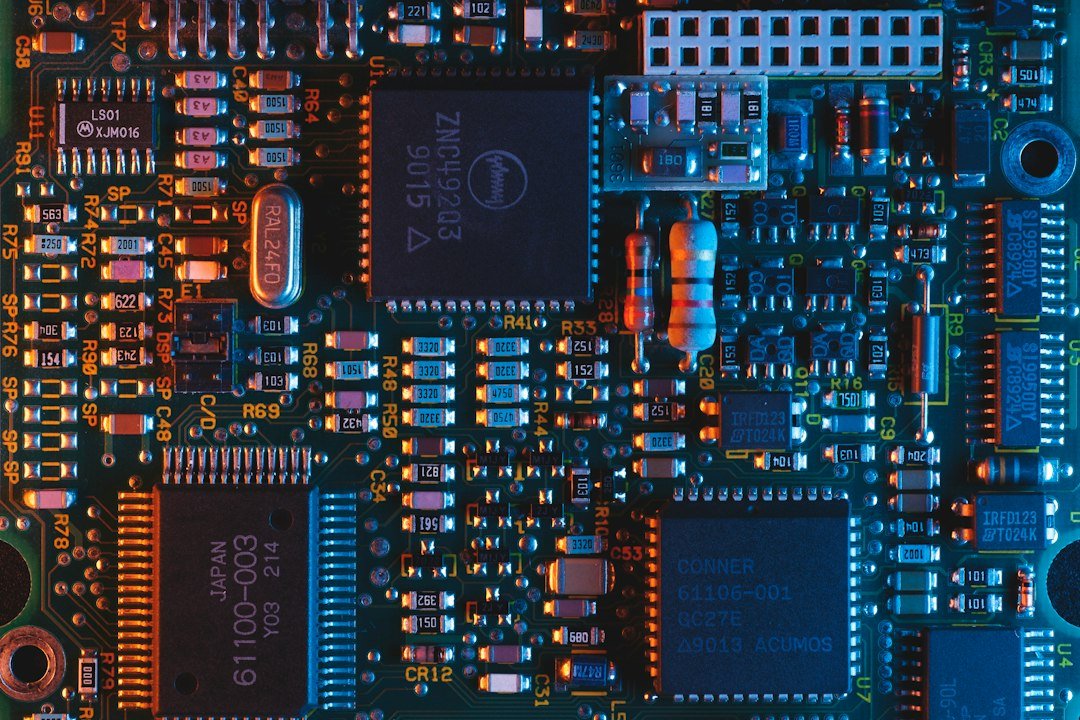
Here’s a scenario that confuses people who don’t follow earnings season closely: a company beats estimates, raises guidance, and its stock drops the same day. That’s exactly what happened to ASML, the Dutch company that makes the lithography machines without which nobody, not TSMC, not Samsung, not Intel, can produce the advanced chips the AI industry runs on.
ASML’s Q3 numbers came in ahead of forecasts, and the company told investors it expects Q4 sales to top expectations too, pointing to AI chip demand as the driver. On paper, that’s exactly the kind of quarter that should send a stock higher. Instead, shares fell as traders zeroed in on something else entirely: the rising cost of ASML’s own manufacturing expansion plans.
Why good news tanked the stock
ASML’s machines are absurdly complex and absurdly expensive to build. Expanding capacity to meet demand means pouring enormous sums into new facilities, specialized components and the kind of precision engineering that doesn’t scale cheaply just because demand is high. When ASML laid out what that expansion will actually cost going forward, it was enough to spook investors who’d been pricing in a cleaner, cheaper growth story.
In other words, the market wasn’t reacting to whether ASML’s business is healthy. It clearly is. The reaction was about margins, about whether the profit per machine stays as fat as it’s been while the company spends heavily to build more of them. That’s a legitimate concern for a stock trading at a premium that assumes near-flawless execution.
“This is a story about expectations outrunning reality, not about ASML’s fundamentals weakening. The company is still the only game in town for extreme ultraviolet lithography,” noted one analyst covering the semiconductor equipment sector.
The monopoly that isn’t going anywhere
It’s worth remembering just how unusual ASML’s position is in the chip supply chain. There is no second source for the extreme ultraviolet lithography machines that produce the most advanced chips in the world. Every major chipmaker depends on ASML, full stop, and that dependency isn’t changing anytime soon given the decades of engineering lead time baked into that technology.
That monopoly-like position is exactly why investors hold ASML to such a high bar. A company with no real competitor should, in theory, be able to expand without the margin pressure a more competitive market would create. The stock drop suggests some investors aren’t convinced that holds true this time, at least not without a clearer picture of how expansion costs net out against the new capacity they’re buying.
What comes next
ASML’s actual order book remains strong, and nothing in the earnings call suggested customers are pulling back. The stock move looks more like a short-term reaction to spending guidance than a vote of no confidence in the underlying business. Expect the next few quarters to be the real test of whether that expansion spending translates into the kind of profit growth that justifies today’s price tag.
Related: TSMC’s record profit quarter and Comcast’s massive data breach disclosure round out a week where big numbers, good and bad, dominated tech headlines.
Bottom Line: A beat-and-raise quarter that still drags the stock down is a reminder that markets price in expectations, not just results. ASML’s business is fine. Investors just want to see the expansion bill paid off before they’re willing to cheer.
Follow Teck Hustlers: Facebook · X · Instagram · LinkedIn · TikTok · Pinterest

The Teck Hustlers Editorial Team covers technology, business, finance and gaming news for readers who want the story behind the headline. Every article is researched, written and edited by our in-house team, checked against company announcements, filings and reputable reporting, and updated when new facts emerge. We focus on what each development means for founders, professionals, investors and everyday users. Have a tip or a correction? Reach us through our contact page.