Follow Teck Hustlers on Google
Add Teck Hustlers as a preferred source to see more of our stories in Google Top Stories.
AA
Admin Alex
Writer
Writer
MA
M.Ali
Fact-Checker
Fact-Checker
Teck Hustlers Where tech meets hustle!
Google's September 2026 spam update finished its third and final rollout phase between October 4 and 6, closing out one of the more drawn-out spam updates in recent memory.

Published: October 8, 2026 · Last updated: October 8, 2026
TL;DR: Google’s September 2026 spam update finished its third and final rollout phase between October 4 and 6, closing out one of the more drawn-out spam updates in recent memory, and site owners who got hit are starting to compare notes on what actually changed.
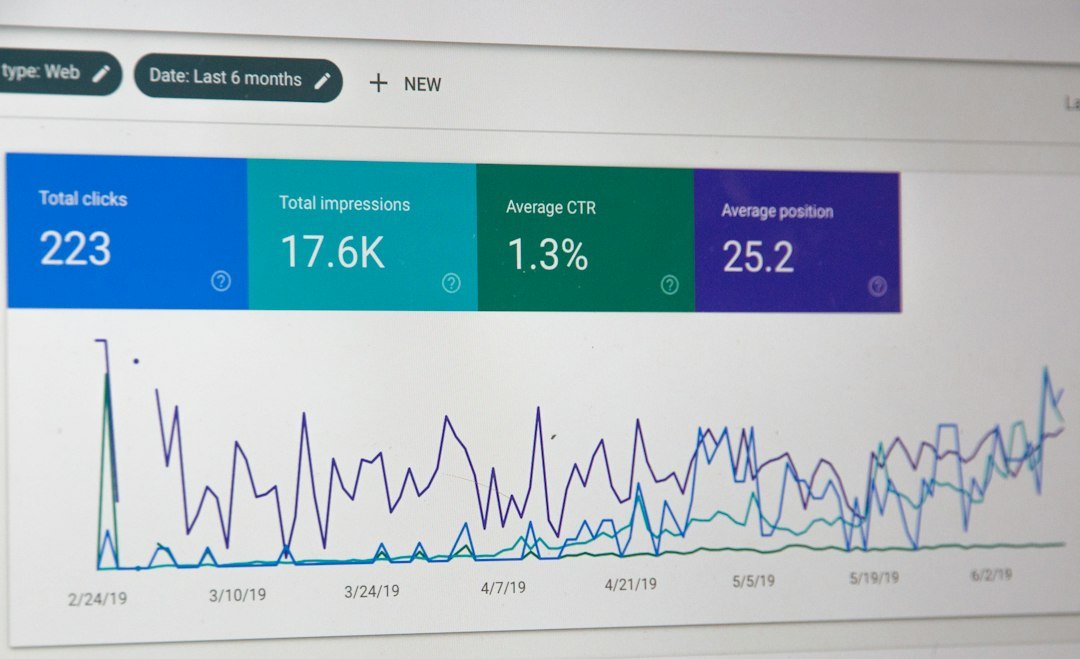
Google’s spam updates used to be relatively quick events: a rollout window, a few weeks of ranking volatility, done. The September 2026 update broke that pattern by rolling out in three distinct phases, with the third and final wave landing between October 4 and October 6, weeks after the update was first announced. For an industry that tracks these things obsessively, a multi-phase rollout that long is itself part of the story.
Spam updates are narrower than Google’s broader core updates. Rather than re-weighing how content quality and relevance get scored across the entire index, a spam update specifically targets sites and tactics that violate Google’s spam policies. That includes scaled content abuse, where a site mass-produces thin pages, often with AI assistance, though Google’s policy language deliberately targets the behavior rather than the tool; expired domain abuse, where someone buys a domain with old authority and repurposes it for unrelated spam content; and site reputation abuse, where a legitimate, trusted site hosts low-quality third-party content to borrow its own ranking strength.
Early chatter from SEO forums and tracking sites following the phase three rollout points to the usual pattern after a spam update: a mix of sites that had clearly been gaming the system finally losing visibility, alongside some collateral damage hitting sites that got too aggressive with legitimate content scaling, like publishers running large freelance networks or affiliate sites that leaned hard on templated, formulaic content without enough genuine editorial judgment behind it.
The three-phase structure itself is worth paying attention to independent of the results. Google has been increasingly willing to roll updates out in stages rather than all at once, which makes the volatility easier for Google’s own systems to monitor but genuinely harder for site owners to interpret in real time. A ranking drop during phase one could reflect the final outcome, or it could reverse by phase three. Site owners who made hasty changes after the first wave, only to see rankings shift again by the third, learned that lesson the uncomfortable way this cycle.
If your site saw unexplained ranking movement sometime between early September and this past week, the September spam update is now almost certainly the reason, not a core update, a Google infrastructure issue, or anything company-specific. Google has confirmed the rollout is complete, so whatever your rankings look like right now is roughly where they’ll stay until the next update cycle, barring the usual day-to-day noise.
The practical takeaway for anyone running a site professionally hasn’t really changed across spam update cycles. Content built primarily to manipulate rankings, rather than to serve an actual reader, keeps getting caught eventually, even when it works for a while. The gap between working and getting caught has been shrinking with each cycle, which should worry anyone whose entire content strategy depends on that gap staying open.
Related: the fight over AI agents and e-commerce access and this week’s critical WordPress security patch.
Bottom Line: A three-phase rollout that took weeks to finish is a sign Google is getting more careful about how it deploys these updates, not less aggressive about enforcing its spam policies. If your traffic held steady through all three phases, you’re probably fine. If it didn’t, the update is done now, so at least the uncertainty is over.
Follow Teck Hustlers: Facebook · X · Instagram · LinkedIn · TikTok · Pinterest
]]>
The Teck Hustlers Editorial Team covers technology, business, finance and gaming news for readers who want the story behind the headline. Every article is researched, written and edited by our in-house team, checked against company announcements, filings and reputable reporting, and updated when new facts emerge. We focus on what each development means for founders, professionals, investors and everyday users. Have a tip or a correction? Reach us through our contact page.