Published: October 5, 2026 · Last updated: October 5, 2026
TL;DR: The Defense Manpower Data Center, which stores personnel records for the US military, confirmed that unauthorized users accessed its systems for months and exposed unencrypted Social Security numbers and job details belonging to more than 3 million people.
Military personnel data is supposed to be some of the most carefully guarded information the federal government holds. For several months, a lot of it reportedly sat unencrypted where outsiders could reach it.
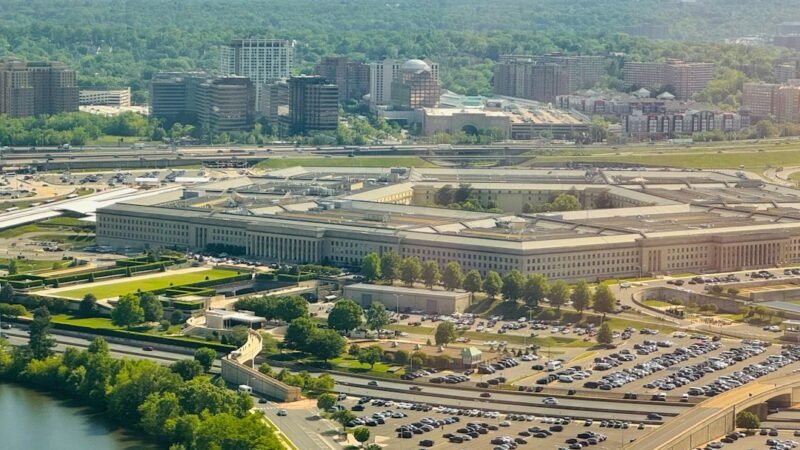
The Defense Manpower Data Center, known as DMDC, is the Pentagon office responsible for maintaining records tied to service members, veterans, and their dependents. According to Cybernews, Security Affairs, and multiple other outlets citing the agency’s own disclosure, unauthorized users had access to DMDC systems over a period of months before the intrusion was discovered. The exposed data reportedly includes Social Security numbers, military job classifications, and other personnel details for more than 3 million people, and several reports specify that the Social Security numbers in question were stored unencrypted.
That last detail is the one drawing the sharpest criticism. Encrypting Social Security numbers at rest is considered baseline practice for any system handling data this sensitive, government or otherwise. A breach happening at all is bad. A breach exposing unencrypted identifiers for this long is the kind of finding that tends to trigger its own investigation into how the data was being stored in the first place.
Officials have not publicly detailed how the unauthorized access began or who is believed to be responsible. Reporting on the incident describes it as the second major breach affecting US military and intelligence-adjacent data within a relatively short stretch, following an earlier hack that exposed different categories of government personnel information. Neither the Pentagon nor DMDC has said whether the two incidents are connected.
For the people affected, the practical risk is identity theft and targeted fraud. Military personnel are frequent targets for scams that reference real service history or unit assignments to sound credible, and a breach that pairs Social Security numbers with job details makes those scams easier to pull off convincingly. Privacy researchers covering the story have called the combination a particularly useful one for anyone looking to commit fraud at scale.
The Pentagon has not announced a specific timeline for notifying affected individuals or offering credit monitoring, though that is the standard remedy in breaches of this size involving financial identifiers. Members of the military and veterans whose information may be affected should assume their Social Security number could be exposed and take the usual precautions: credit freezes, monitoring for unfamiliar accounts, and skepticism toward unsolicited contact referencing their service record.
Given how much of the broader conversation this year has centered on whether government systems can keep pace with the volume of sensitive data they are being asked to hold, a breach like this lands at a particularly bad time for public confidence.
Related: Jack Dorsey’s Bitchat Just Got Pulled From India Over Protest Messaging and Amazon Is Investigating the Employees Who Testified Against Its Data Centers.
Bottom Line: A government agency storing Social Security numbers for millions of service members without encryption is not a sophisticated hacking story, it is a basic security failure, and the people whose data was exposed deserve a clearer answer than “unauthorized users” about how it happened.
Follow Teck Hustlers: Facebook · X · Instagram · LinkedIn · TikTok · Pinterest