Written by Admin Alex · Fact-Checked by M.Ali · Info Verified September 2026
We review and update this article regularly as new information becomes available.
TL;DR: Meta’s Ray-Ban Meta Gen 3 glasses start at $449 and add two new frame shapes, a bigger battery, and an extra microphone. A camera-free audio version also joined the lineup at the same event.

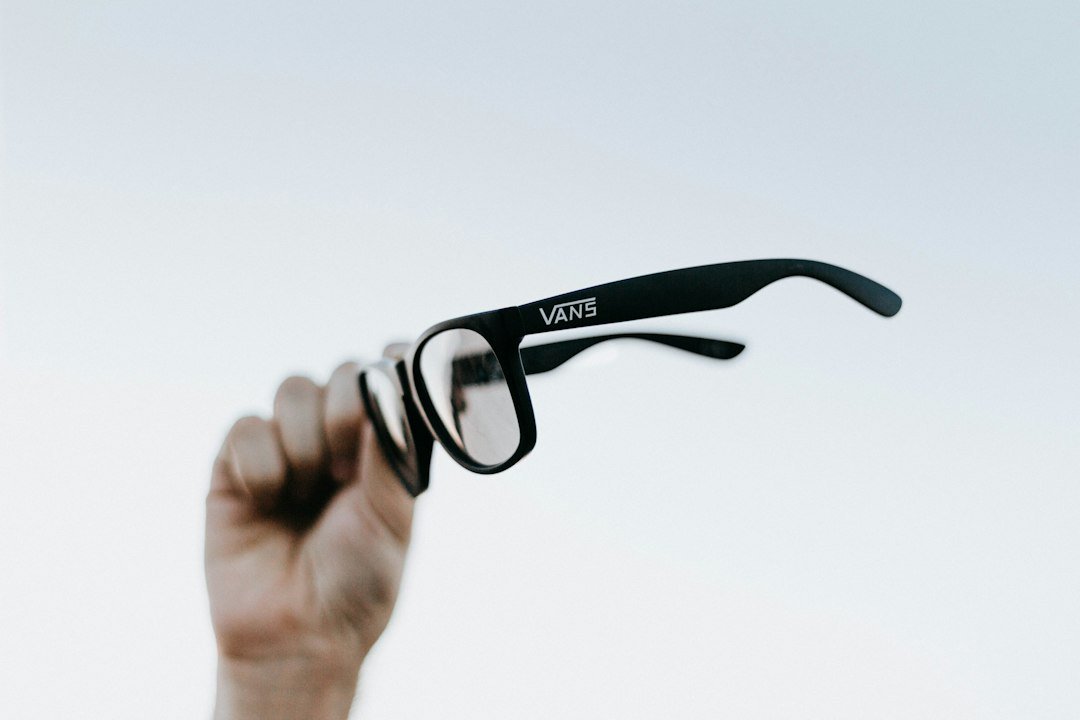
Pick up a pair of the new Aviator frames at a demo table and the first thing you notice isn’t the camera or the speakers tucked into the arms. It’s the weight of the front, thicker and squarer than anything Ray-Ban Meta has shipped before. Slide them on and there’s a beat where your brain has to catch up. These don’t read as gadget glasses. They read as glasses, the kind someone would wear even if the AI chip inside went dead tomorrow.
That’s the pitch Meta leaned on around Connect 2026 this September. The Ray-Ban Meta Gen 3 line is getting two new silhouettes, Aviator and Zena, sitting alongside the Wayfarer shape that’s carried the product since it launched. The Aviator comes in a tortoiseshell finish that softens the bulkier frame a bit. None of it changes the starting price. A pair still runs $449, the same number Meta has held onto since the second generation.
What Actually Changed This Time
Frame variety is the headline, but the internals moved too, just quietly. Battery life is rated at up to nine hours now, a real jump from the roughly five hours of continuous audio playback owners got out of the Gen 2 model. An Engadget reviewer who spent hands-on time with the new hardware flagged that gain as the thing she was most curious to actually stress test once units ship broadly, rather than take on faith from a spec sheet.
Meta also added a sixth microphone, one more than the previous generation carried. On paper that sounds minor. In practice it’s aimed squarely at the complaint most smart glasses share: they fall apart in a loud room. More mics generally means better isolation of the person actually talking to Meta AI, instead of the bar noise or the wind or the person next to you.
There’s a new programmable button too, sitting on the frame for quick access to Meta AI commands or to jump straight into a capture mode without fumbling through a voice prompt first. And the temple tips are adjustable now, a fit fix that matters more than it sounds like when you’re talking about hardware people wear on their face for hours.
Still Cooking
A handful of features got announced without actually shipping yet. Landscape-oriented photo and video capture is coming, along with Dolby Atmos recording for video and spatial sound recording. None of that is live in the current software. The same Engadget reviewer who tested the Aviators noted she wanted to come back once landscape video actually lands, since right now the promise is still just a promise.
She also had a smaller, more personal gripe. The Aviator frames felt a bit loose on her face during her hands-on time, even as she said she liked having more style options to choose from than Ray-Ban Meta has ever offered before. Fit is going to vary person to person with any glasses, smart or otherwise, and a looser frame on one face doesn’t mean the whole shape is a miss.
An Audio-Only Sibling
Meta didn’t stop at the camera-equipped line. Ray-Ban Meta Audio also debuted at the same event, a version that strips out the camera entirely and focuses on the speakers, mics, and AI assistant features. It’s a play for the crowd that wants the AI and audio side of these glasses without a lens pointed at everyone around them, and it slots into a broader plan Meta has laid out: more than 100 total frame style and color combinations across its Ray-Ban, Oakley, and Meta-branded glasses by the end of 2026.
That number says a lot about where Meta thinks this category is headed. Smart glasses stopped being a single hero product a while back. Now it’s shaping up like sunglasses always worked, a wall of shapes and colors with the tech riding along underneath, and Meta clearly wants to own as much of that wall as it can before anyone else gets serious about it.
More on this: Meta’s wearable bet isn’t limited to eyewear either. See how the Vocci AI ring is chasing the same always-on idea from a different angle, and how Meta’s Muse app is already outperforming ChatGPT’s own launch numbers.
Bottom Line: The Gen 3 update is less about a single killer feature and more about Meta widening the net, more frames, more battery, better mics, at a price it refuses to move. That’s a smarter long game than chasing one flashy spec.