Written by Admin Alex · Fact-Checked by M.Ali · Info Verified September 2026
We review and update this article regularly as new information becomes available.
TL;DR: Vantora, formerly known as UP.Labs, raised more than $100 million from Silversmith Capital Partners to keep building AI startups embedded inside industrial companies like Porsche, J.B. Hunt, and Alaska Airlines. The studio has launched 17 ventures so far, grew revenue 79% year over year, and is betting entirely on physical AI, robotics and automation for the physical world, not another chatbot.
Most startup studios build companies and hope someone wants to buy them eventually. Vantora flips that around: it embeds a founding team directly inside a corporate partner’s operations, finds a real operational problem worth solving, builds a standalone venture around the fix, and gives that same corporate partner first right to acquire the technology once it works. Founder and CEO John Kuolt calls it a “proprietary M&A pipeline,” a tidy way of describing a model built to remove most of the guesswork from both sides.
The company just backed that model with fresh capital: more than $100 million from Silversmith Capital Partners, a growth equity firm that doesn’t typically write checks for concept-stage ideas. That’s a vote of confidence in the studio model itself, not just in one product.
The portfolio so far
Vantora has launched 17 ventures to date and expects to hit 20 by the end of 2026. Two examples give a sense of the shape: Pull Systems, built inside Porsche to analyze EV performance data, and Overroute, built inside J.B. Hunt to automate parts of freight logistics. Neither is a consumer product anyone will download. Both are the kind of narrow, unglamorous, operationally specific tools that industrial companies quietly pay a lot of money for once they work.
Corporate partners so far include Porsche, J.B. Hunt, Alaska Airlines, Wabash, and TDG, the parent company of Ashley Furniture. Vantora says the projects it builds typically represent $50 to $100 million in potential annual EBITDA impact for the partner company, a number that, if accurate even roughly, explains why an industrial giant would rather fund an embedded startup than build the same tool with its own slower internal IT department.
Why “physical AI” and why now
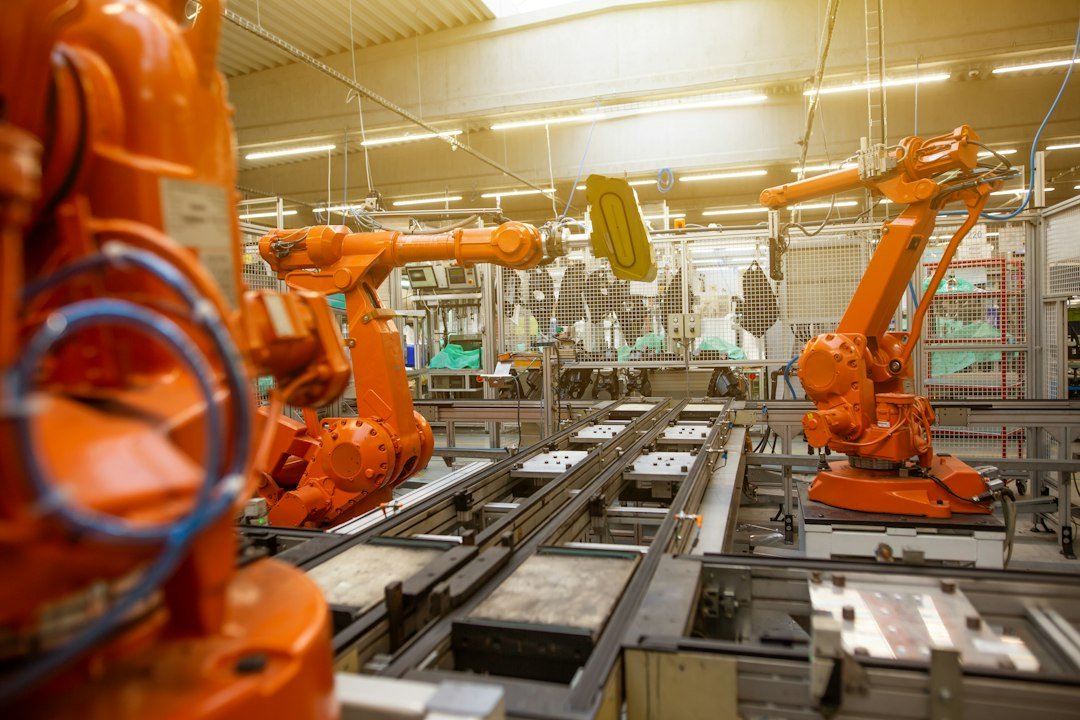
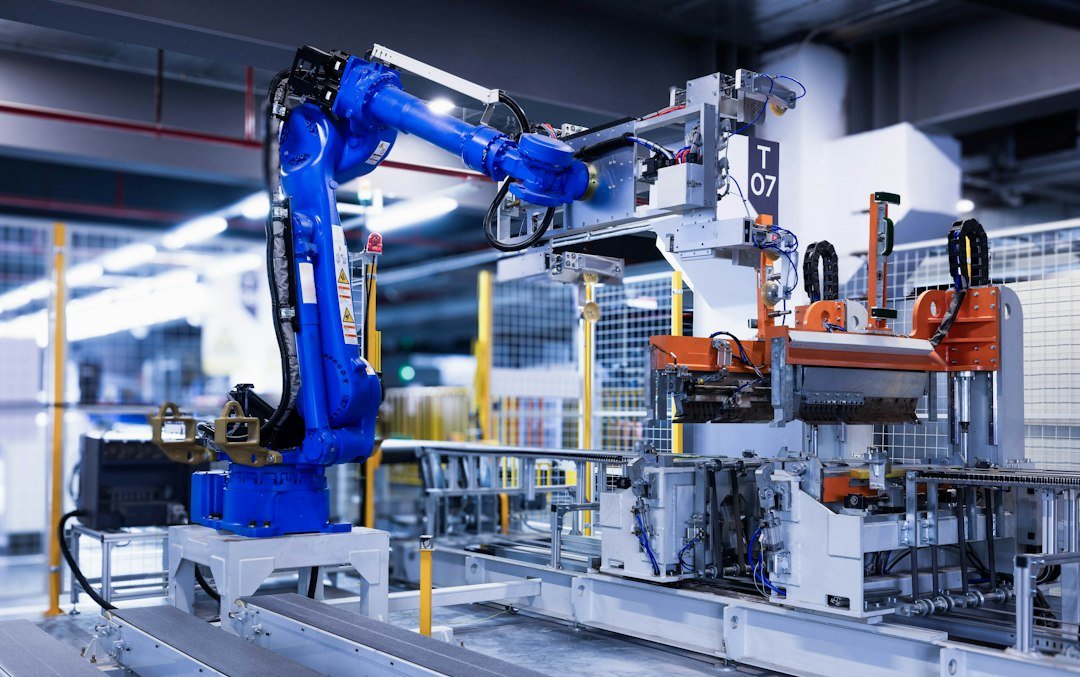
Vantora’s stated focus going forward is physical AI: robotics, automation, and software that controls real machinery and real logistics rather than chatbots and copilots. That’s a deliberate contrast to most of this year’s AI funding headlines, which have gone almost entirely to consumer and enterprise software plays built on top of large language models. Industrial automation is a slower, less flashy category, but it’s also one where the buyers are established companies with real budgets and real operational pain, rather than consumers deciding whether to pay for another subscription.
The studio model also solves a problem specific to industrial companies: they know their operational pain points better than any outside startup founder ever could, but they’re usually bad at building fast, product-focused software teams internally. Vantora’s pitch is essentially renting them that team, with revenue growth of 79% year over year suggesting more corporate partners are buying it.
Bottom Line: Vantora isn’t chasing the same AI hype cycle everyone else is chasing. It’s betting that the more boring, more profitable version of AI, the kind that automates freight routing and EV diagnostics rather than writing marketing copy, is where the real money sits for the next few years. A $100 million raise and 79% revenue growth suggest at least one growth equity firm agrees.