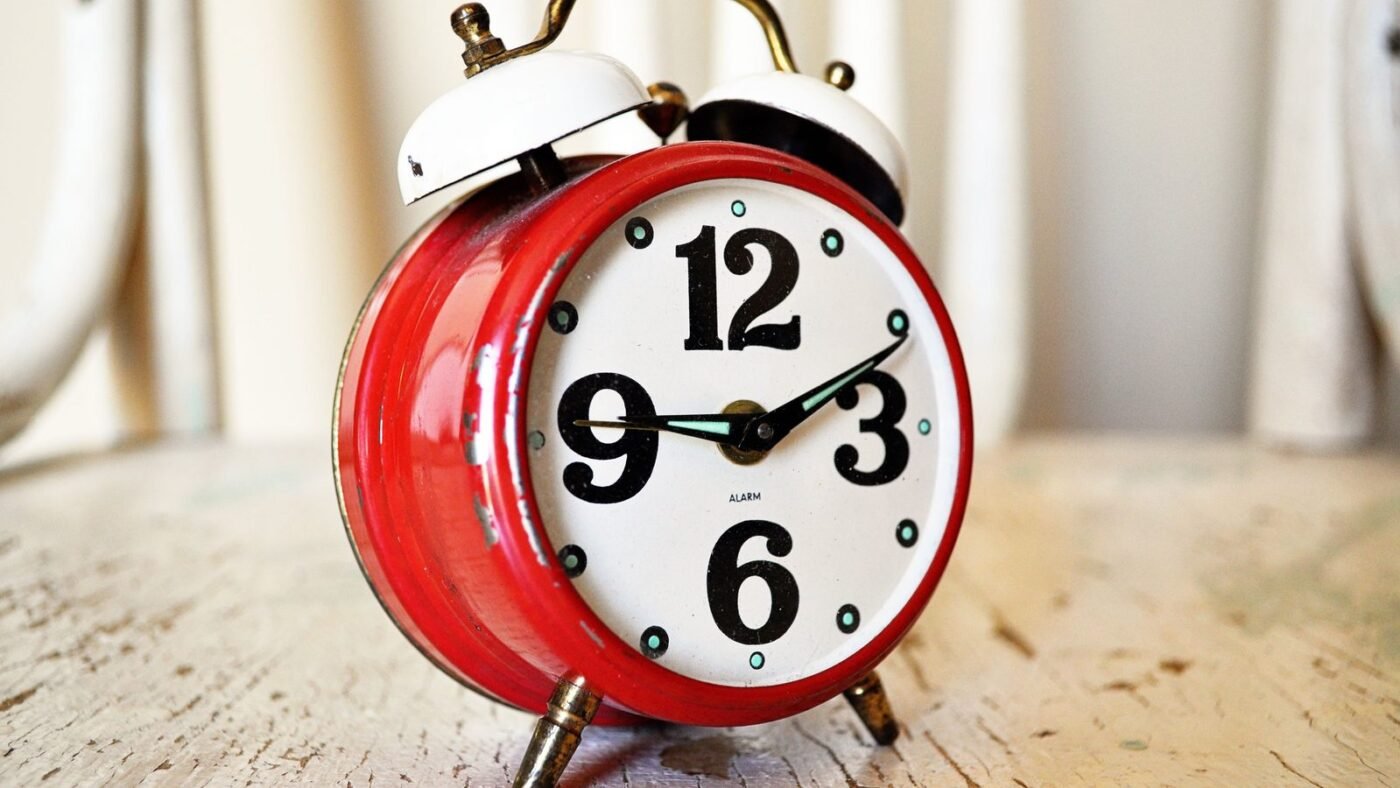
TL;DR: Why do we have daylight saving time? The main reason is to shift an hour of daylight from early morning, when many people are asleep, to the evening, when they are awake. The idea was promoted by builder William Willett in Britain in 1907. Germany and Austria-Hungary were the first countries to adopt it nationwide, in 1916, to save fuel during World War I. The U.S. followed in 1918, and today’s American rules come from the Uniform Time Act of 1966 and the Energy Policy Act of 2005. In 2026, U.S. clocks fall back at 2 a.m. on Sunday, November 1. Congress still hasn’t passed the Sunshine Protection Act, which would make daylight saving time permanent.
Twice a year, hundreds of millions of people move their clocks, and every year someone asks: why do we have daylight saving time at all? The answer involves a 1784 joke, a New Zealand insect collector, an English golfer, two world wars and an oil crisis. Here is the history, how the system works today, and why ending it has proved so hard.
What is daylight saving time?
Daylight saving time (DST) means setting clocks one hour ahead of standard time for part of the year, usually spring through fall. Sunrise and sunset happen an hour “later” on the clock, giving more daylight in the evening and less in the morning. In autumn, clocks “fall back” to standard time.
DST matters most at middle latitudes. Near the equator, day length barely changes across the year, so there’s little daylight to shift. That’s one reason most countries in Africa and much of Asia don’t use it, according to timeanddate.com’s DST overview.
Where did daylight saving time come from?
Benjamin Franklin’s joke (1784)
Franklin is often credited with inventing DST, but he didn’t propose changing clocks. In a satirical 1784 letter to the Journal de Paris, he joked that Parisians could save a fortune in candles by getting up earlier, and suggested firing cannons at sunrise to wake them.
George Vernon Hudson (1895)
New Zealand entomologist George Vernon Hudson made what is usually cited as the first modern proposal. In 1895 he suggested a two-hour seasonal shift, partly so he would have more evening light to collect insects.
William Willett (1907)
British builder William Willett, reportedly frustrated at cutting short his evening rounds of golf, published a pamphlet called The Waste of Daylight in 1907. He campaigned for years to move clocks forward in spring, but Britain didn’t adopt the idea until after his death in 1915.
World War I (1916)
The idea finally took hold as a wartime energy measure. Germany and Austria-Hungary introduced it on April 30, 1916, to save coal used for lighting. Britain followed weeks later, and many other countries soon joined.
Daylight saving time in the U.S.: a timeline
| Year | What happened |
|---|---|
| 1918 | The Standard Time Act creates U.S. time zones and introduces DST as a wartime measure. |
| 1919 | National DST is repealed, though some cities keep it locally. |
| 1942-1945 | Year-round DST, known as “War Time,” during World War II. |
| 1945-1966 | States and cities set their own rules, producing a confusing patchwork. |
| 1966 | The Uniform Time Act standardizes start and end dates but lets states opt out. |
| 1974 | Year-round DST is tried during the energy crisis, then dropped after it proves unpopular. |
| 2007 | Under the Energy Policy Act of 2005, DST runs from the second Sunday in March to the first Sunday in November. |
| 2026 | The Sunshine Protection Act passes the House in July but stalls in the Senate. |
The U.S. Department of Transportation oversees time zones and DST under federal law, a holdover from the railroads’ role in creating standard time.
Why do we still have it? The main arguments
Arguments for DST
- More evening daylight for outdoor activities, shopping and sports after work and school.
- Energy savings. This was the original goal, but modern savings appear small. A 2008 U.S. Department of Energy report on the 2007 extension estimated savings of about 0.5% of electricity per day during the extra weeks, or roughly 0.03% of annual U.S. electricity use.
- Business support. Retail, recreation and tourism industries have long backed longer evenings.
Arguments against DST
- The twice-yearly switch is disruptive and unpopular. USA Today cites a 2023 YouGov survey in which 62% of Americans favored ending time changes.
- Dark winter mornings. Under permanent DST, winter sunrises in northern areas would come very late, one reason the 1974 experiment ended.
- Coordination costs for airlines, software, broadcasters and international business.
Who doesn’t change their clocks?
In the U.S., Hawaii and most of Arizona stay on standard time all year. The Navajo Nation in Arizona does observe DST. U.S. territories including Puerto Rico, Guam, the U.S. Virgin Islands, American Samoa and the Northern Mariana Islands also skip it, USA Today reports.
Internationally, the picture varies:
- European Union: clocks change on the last Sunday in March and the last Sunday in October. This year Europe fell back on October 25. The European Parliament voted in 2019 to end seasonal clock changes, but the plan has stalled among member states.
- Southern Hemisphere: countries such as Australia (in some states), New Zealand and Chile change their clocks in the opposite months, because their summer falls during the northern winter.
- No DST: China, India, Japan, Pakistan and most of Africa currently keep the same time all year.
Why is ending daylight saving time so hard?
Most people agree they dislike switching clocks. They disagree about which time to keep. Permanent DST means brighter evenings but very dark winter mornings. Permanent standard time means brighter mornings but early winter sunsets.
Federal law also creates an imbalance: states may opt out of DST and stay on standard time year-round, as Hawaii and Arizona do, but they can’t adopt permanent DST without Congress. According to USA Today, the Sunshine Protection Act passed the House in July 2026, but key Senate Republicans, including Majority Leader John Thune, have said there is no clear path forward. President Trump has urged the Senate to act. For now, the law is unchanged.
When do clocks change in 2026?
- United States and Canada (most areas): DST ends at 2 a.m. local time on Sunday, November 1, 2026, when clocks go back to 1 a.m.
- European Union and UK: clocks already went back on Sunday, October 25, 2026.
- Next U.S. spring-forward: the second Sunday in March, which in 2027 is March 14.
Most phones and computers update automatically. If you enjoy everyday science like this, see our explainers on why leaves change color in the fall and why the sky is blue.
FAQ
Why do we have daylight saving time in simple terms?
To move an hour of daylight from early morning to the evening during the longer days of spring and summer. It started as a fuel-saving measure in World War I.
Did Benjamin Franklin invent daylight saving time?
No. His 1784 letter was a joke about waking up earlier, not a plan to change clocks. Modern DST proposals came from George Vernon Hudson in 1895 and William Willett in 1907.
Is daylight saving time ending permanently?
Not yet. The Sunshine Protection Act would make DST permanent in the U.S., but it has not passed the Senate, so clocks still fall back on November 1, 2026.

The Teck Hustlers Editorial Team covers technology, business, finance and gaming news for readers who want the story behind the headline. Every article is researched, written and edited by our in-house team, checked against company announcements, filings and reputable reporting, and updated when new facts emerge. We focus on what each development means for founders, professionals, investors and everyday users. Have a tip or a correction? Reach us through our contact page.