Written by Admin Alex · Fact-Checked by M.Ali · Info Verified September 2026
We review and update this article regularly as new information becomes available.
TL;DR: SoftBank is in talks to take a majority stake in 1X Technologies, the Norwegian-American company behind the NEO home robot, at a valuation of around $6 billion. That’s a steep comedown from the $10 billion 1X was seeking less than a year ago, when it also fell short of its funding target. The deal would follow SoftBank’s $5.4 billion purchase of ABB’s robotics division earlier this year.
A year ago, 1X Technologies wanted to raise $1 billion at a $10 billion valuation. It didn’t get there, pulling in less than half that amount. Now SoftBank is reportedly circling with an offer to buy a majority stake at roughly $6 billion, about 40% below where 1X was aiming to price itself just months earlier.
That’s not exactly a triumphant trajectory, but it’s also not nothing. A $6 billion valuation for a humanoid robotics company that hasn’t shipped a mass-market product yet is still a serious number, and SoftBank buying in as a majority owner, rather than just another line item in a funding round, changes the relationship entirely.
What 1X actually makes
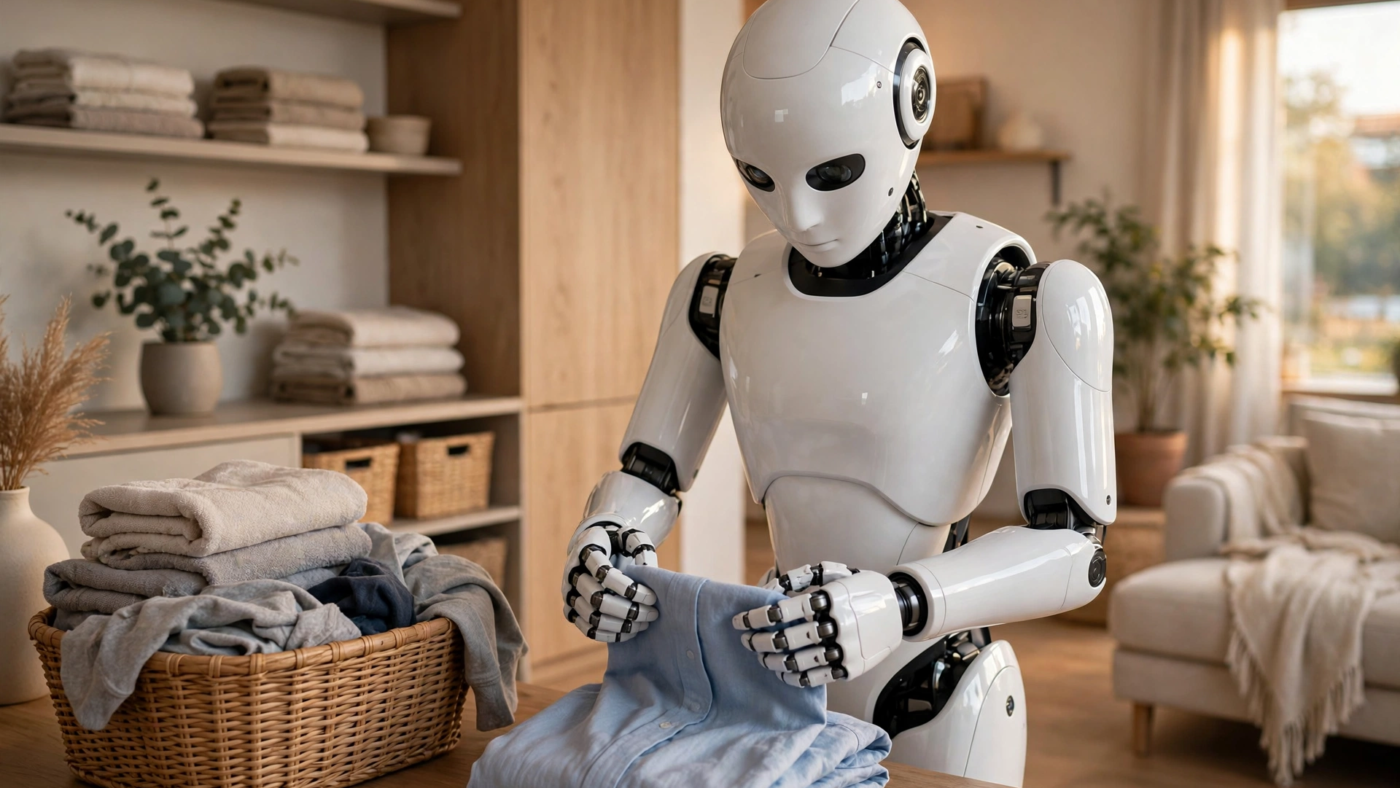
The company’s flagship product is NEO, a bipedal humanoid robot built for domestic tasks: folding laundry, making coffee, running the vacuum. It’s the kind of pitch that’s been promised by robotics startups for a decade, physical labor around the house handled by a machine that walks on two legs instead of rolling around on a base. Whether NEO can actually deliver that reliably, at a price and reliability level regular households will pay for, remains the open question that’s dogged every humanoid robot company before it.
1X itself has an unusual origin. It started in 2014 in Moss, Norway, as Halodi Robotics, rebranding to 1X in 2023 as it expanded operations to Sunnyvale, California. That Norway-to-Silicon-Valley pipeline isn’t the typical robotics startup path, and it’s given the company a slightly different engineering culture than its US-born competitors.
OpenAI’s fingerprints are already on this company
OpenAI invested in 1X back in 2023 through its Startup Fund, and the two companies reportedly discussed a fuller acquisition last year that never closed. That history matters here: if SoftBank does take a majority stake, it’s stepping into a cap table that already includes one of the most influential AI labs on the planet, and any future product decisions at 1X will likely have to account for that relationship one way or another.
SoftBank’s bigger robotics bet
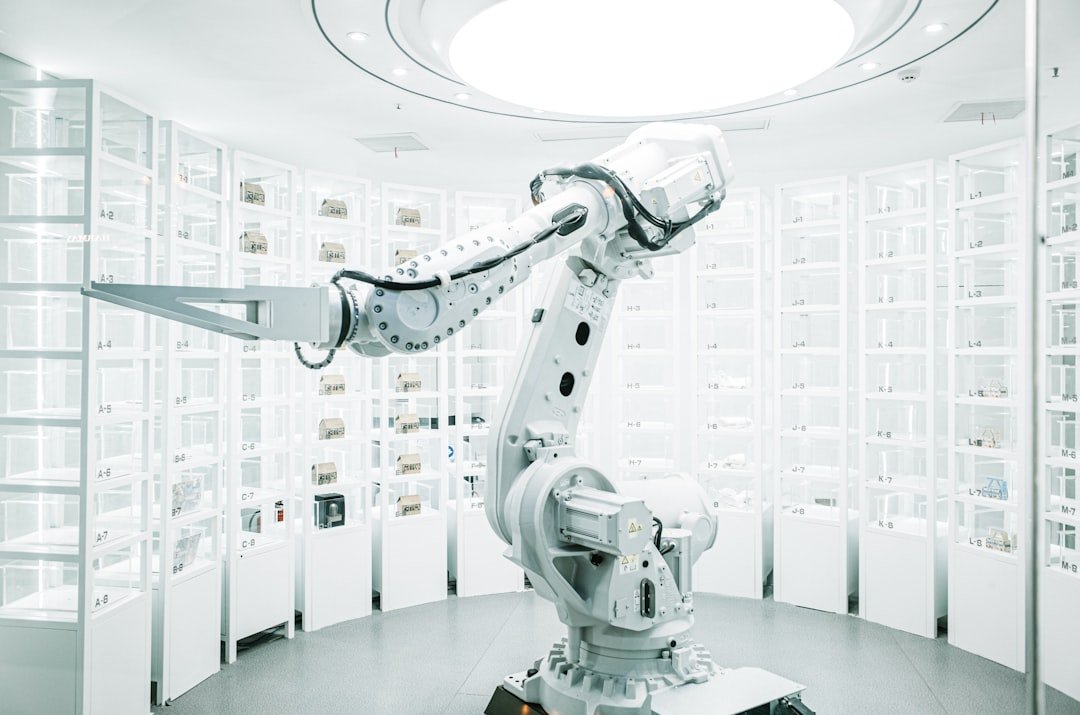
This wouldn’t be SoftBank’s first robotics purchase this year. The company already bought ABB’s robotics division for $5.4 billion, a very different kind of deal, industrial arms and manufacturing automation rather than humanoid home robots. Put the two together and a pattern starts to look less like opportunism and more like a strategy: SoftBank building out a robotics portfolio that spans the factory floor and, eventually, the living room.
Masayoshi Son has talked about the coming decade of physical AI for years, robots doing real-world labor the way software has automated white-collar work. Buying into 1X at a discounted price, if the deal closes, would be a fairly cheap way to buy a seat at that table, especially compared to what 1X itself was hoping to fetch a year ago.
Bottom Line
A 40% valuation haircut from a year ago isn’t the outcome 1X was hoping for, but landing SoftBank as a majority owner, rather than scraping together another venture round, might end up being the better deal anyway. Humanoid robotics is a capital-intensive, patience-testing business, and SoftBank has both in greater supply than most venture funds still writing checks in this space.

The Teck Hustlers Editorial Team covers technology, business, finance and gaming news for readers who want the story behind the headline. Every article is researched, written and edited by our in-house team, checked against company announcements, filings and reputable reporting, and updated when new facts emerge. We focus on what each development means for founders, professionals, investors and everyday users. Have a tip or a correction? Reach us through our contact page.