TL;DR: Proofreading is one of the most accessible flexible side hustles if you have a sharp eye and strong language skills. You can start with low equipment costs, work remotely and set your own hours. The fastest path is to pick a niche, learn one major style guide, build a small portfolio with sample edits, and find first clients through freelance marketplaces, your own network and direct outreach. Rates vary widely, so use published industry rate guides rather than guesswork.
What proofreaders actually do
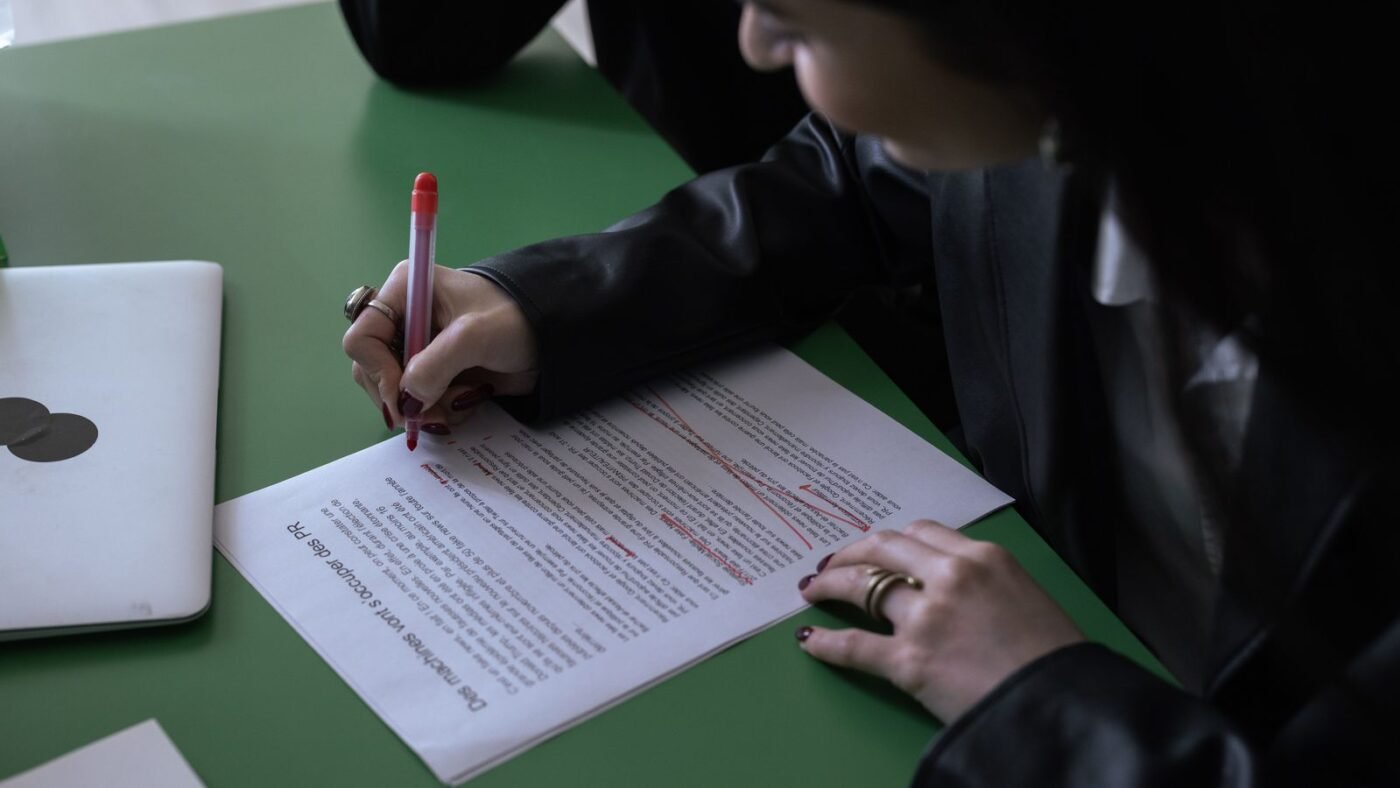
Proofreading is the final quality check before something is published or sent. A proofreader catches spelling mistakes, typos, punctuation errors, inconsistent formatting, wrong numbers, broken references and small grammar slips. It is different from editing.
| Service | What it involves | Typical stage |
|---|---|---|
| Developmental editing | Structure, argument, story, big-picture changes | Early draft |
| Copyediting | Sentence-level clarity, consistency, grammar and style | Near-final draft |
| Proofreading | Surface errors and formatting, no major rewriting | Final version, often after layout |
Many freelancers start with proofreading and add copyediting later as their skills grow. Being clear about which service you offer avoids awkward misunderstandings with clients who expect a rewrite for a proofreading price.
Who hires proofreaders?
- Students and academics: theses, dissertations and journal submissions (check the client’s institution’s rules on editing assistance)
- Self-published authors: novels and nonfiction before printing
- Businesses: websites, reports, proposals, product descriptions
- Marketing teams and agencies: blog posts, emails, ad copy
- Legal and medical writers: specialized documents where precision really matters
- Podcasters and video creators: transcripts and captions
Skills and tools you need
Core skills
Beyond strong grammar and spelling, good proofreaders are consistent and patient. You need to notice that a heading uses title case on page 3 but sentence case on page 12, or that a client spells “e-mail” two different ways. You also need to know when not to change something because it reflects the author’s deliberate style.
Style guides
Learn at least one major style guide well. The Chicago Manual of Style is common in book publishing, the AP Stylebook dominates journalism and much corporate communication, and APA or MLA styles show up in academic work. Many businesses also have their own house style guides.
Tools
- Microsoft Word with Track Changes, and Google Docs suggestion mode
- A PDF editor that supports comments and markup, for proofing laid-out documents
- A reliable dictionary subscription matched to your client’s spelling preference (US or UK English)
- Grammar checkers as a second pass, never a replacement for your own reading

How to start a proofreading side hustle in six steps
1. Choose a niche
“I proofread anything” is harder to sell than “I proofread fantasy novels” or “I proofread SaaS websites.” A niche lets you learn the vocabulary, find clients faster and justify better rates. Pick an area where you already have background knowledge.
2. Test and sharpen your skills
Take free proofreading quizzes, work through a style guide and practice on real published text. Paid courses exist, but they are optional. What matters is that your work is accurate and consistent. Some professional organizations, such as the Editorial Freelancers Association, offer training and resources for freelancers.
3. Build a mini portfolio
Clients want proof. Create two or three before-and-after samples using public-domain text or content you have permission to use. Offering a few discounted or free jobs to friends, local nonprofits or small businesses can get you your first testimonials.
4. Set your rates and terms
Proofreaders usually charge per word, per page or per hour, and rates depend heavily on niche, turnaround time and complexity. Rather than guessing, check published benchmarks such as the EFA’s editorial rates page, then adjust for your experience. Always agree in writing on scope, deadline, number of passes, file format and payment terms before you start.
5. Find your first clients
- Freelance marketplaces such as Upwork and Fiverr. Competition is stiff, so a specific niche and a clear profile help.
- Your network. Tell former colleagues, classmates and friends what you are offering. Warm referrals often convert best.
- Direct outreach. Find a company website with errors, then send a short, polite note offering help. Never be condescending about the mistakes.
- Author communities. Self-publishing groups and writing forums often have threads where authors look for proofreaders.
- Agencies. Content agencies sometimes keep pools of freelance proofreaders for overflow work.
6. Deliver like a pro
Meet deadlines, use tracked changes, leave short explanatory comments for anything that is not a clear error, and send a brief summary of recurring issues. Clients come back to proofreaders who make their lives easier.
Pros and cons
| Pros | Cons |
|---|---|
| Low startup costs | Crowded entry-level market |
| Fully remote and flexible | Income can be irregular at first |
| Skills compound into editing and writing work | Concentration-heavy, so long sessions are tiring |
| Can be done in short blocks around a day job | AI grammar tools are squeezing the most basic jobs |
Will AI replace proofreaders?
AI writing tools now catch many basic typos and grammar errors, and that has reduced demand for the simplest jobs. But they still make mistakes, miss context, and can’t take responsibility for a final document. Clients with high stakes, such as publishers, law firms, medical writers and brands, still want a human to sign off. The smart move is to use AI as a first pass, then sell your judgment, consistency and accountability on top.
The bottom line
Proofreading is a realistic side hustle for detail-oriented people who want flexible, remote work. Pick a niche, master a style guide, show your work with samples and treat every job professionally. It may start slowly, but steady clients and referrals can turn it into dependable extra income.

The Teck Hustlers Editorial Team covers technology, business, finance and gaming news for readers who want the story behind the headline. Every article is researched, written and edited by our in-house team, checked against company announcements, filings and reputable reporting, and updated when new facts emerge. We focus on what each development means for founders, professionals, investors and everyday users. Have a tip or a correction? Reach us through our contact page.