Written by Admin Alex · Fact-Checked by M.Ali · Info Verified September 2026
We review and update this article regularly as new information becomes available.
TL;DR: The European Commission wants data centers larger than 500 kilowatts to start publishing standardized labels showing how much energy and water they consume, and whether that water use strains local supplies. There’s no cap on consumption in the proposal, just mandatory disclosure, with labels expected to start appearing in 2027 if the rule clears a review by the European Parliament and Council.
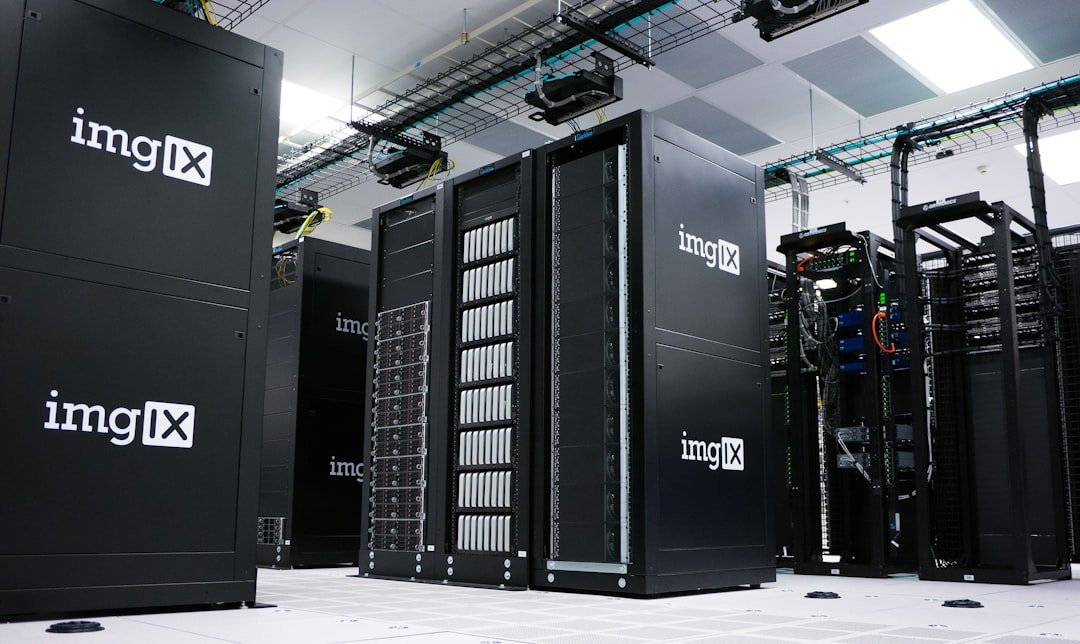
Nobody in Brussels is telling data center operators to use less power or less water. Not yet, anyway. What the European Commission’s new proposal actually does is force them to say, publicly and in a standardized format, exactly how much of both they’re using.
What the label actually shows
Any data center operator running a facility above 500 kilowatts of capacity would need to participate. The label has to show energy efficiency, obviously, but also something less commonly disclosed: how the facility’s water consumption compares to local water stress levels. A data center guzzling water for cooling in a drought-prone region of Spain is a very different story than one doing the same thing next to a river in the Netherlands, and this rule is designed to make that distinction visible to regulators, journalists and the public instead of buried in a sustainability PDF nobody reads. Operators also have to disclose whether they’re capturing and returning waste heat to the local energy grid, a practice some Nordic data centers already do to heat nearby buildings.
The proposal is currently in a two-month consultation window while the European Parliament and Council review it. If it moves forward on the timeline the Commission has laid out, operators could start publishing these sustainability labels sometime in 2027.
The number driving all of this
The EU’s own projections explain the urgency. Data center electricity consumption across the bloc is expected to jump from 68 terawatt-hours in 2024 to 114 terawatt-hours by 2030, a jump that would push data centers past 3 percent of the EU’s total electricity use. That growth is almost entirely attributable to AI infrastructure buildout, the same trend pushing Google toward nuclear power deals in the US and prompting similar anxiety everywhere hyperscalers are pouring concrete for new server farms.
The Commission framed the goal plainly, saying facilities need to be “highly energy- and water-efficient and sustainably integrated in the energy system.” Notice what’s missing from that sentence: any mention of limiting growth. This is a transparency rule, not a brake pedal.
Disclosure now, restrictions maybe later
Requiring disclosure before imposing caps is a familiar regulatory pattern, and it usually works this way for a reason. Once consumption data is public and comparable across facilities, it becomes much easier for regulators to justify tougher rules later, and much harder for operators to argue that nobody knew how much they were actually using. Expect this label to be step one of a longer regulatory arc, not the final word on data center sustainability in Europe.
Bottom Line: This rule won’t slow down a single AI data center build-out in the near term, but it changes what gets measured, and measurement tends to precede regulation. Any company planning major EU data center expansion should treat 2027 as the year its water and energy numbers stop being private.

The Teck Hustlers Editorial Team covers technology, business, finance and gaming news for readers who want the story behind the headline. Every article is researched, written and edited by our in-house team, checked against company announcements, filings and reputable reporting, and updated when new facts emerge. We focus on what each development means for founders, professionals, investors and everyday users. Have a tip or a correction? Reach us through our contact page.