TL;DR: A new academic study found Google search ads earn advertisers roughly $2.45 per visit in the US versus just $0.89 for ChatGPT ads, and most advertisers running both saw literally zero sales from the ChatGPT side. One advertiser accounted for the majority of all ChatGPT ad purchases in the dataset.
If you’ve been wondering whether advertising inside ChatGPT is actually working for the brands trying it, a new working paper has some uncomfortable numbers, and they’re not close.
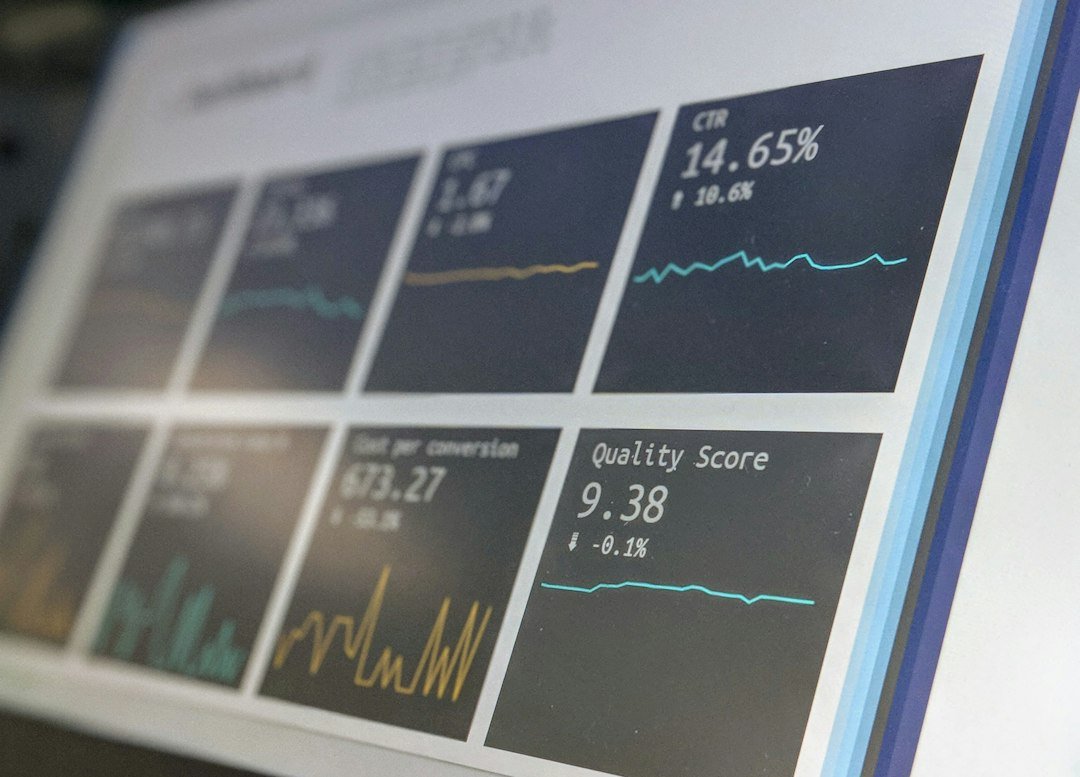
Researchers Maximilian Kaiser, of Vienna University of Economics and Business, and Christian Schulze, of Frankfurt School of Finance and Management, analyzed e-commerce tracking data covering ChatGPT ad visits and paid Google search visits across US traffic. The headline comparison: a paid Google search ad visit earned advertisers $2.45 on average, while a ChatGPT ad visit earned $0.89, roughly 36 cents for every dollar search ads bring in.
Conversion rates tell a similar story. Paid search converted at 1.17%. ChatGPT ads converted at 0.37%, less than a third of the rate. The researchers calculated what they call a “parity price,” the cost per click at which ChatGPT ads would need to be priced to match search’s revenue per ad dollar. That number comes out to roughly $0.26 per click. The problem is that real-world spending looks nothing like that. The largest publicly known ChatGPT ad account, based on 15 days of spend reported by ad intelligence firm Opascope, paid $1.72 per click, more than six times the price that would actually make the economics work.
Among the 87 advertisers in the dataset running both ChatGPT ads and paid search in US traffic, 73 generated zero sales from ChatGPT ads despite 18,726 tracked visits between them. The remaining 14 advertisers accounted for all 570 ChatGPT-attributed purchases in the study.
That concentration gets even more lopsided once you zoom in. A single advertiser was responsible for 66% of all ChatGPT-attributed purchases across the 102 sites studied, and 76% of all US paid ChatGPT ad revenue in the dataset. Strip that one advertiser out and the already weak averages for everyone else get noticeably worse, not better.
It’s worth being fair about what this study can and can’t prove. The researchers are upfront that advertisers chose to run ChatGPT ads themselves, so the comparison reflects the results of that self-selected group, not a controlled experiment proving ChatGPT ads are inherently worse for every business. Attribution is last-click only, meaning the study doesn’t capture any brand-awareness value that never resulted in a direct, trackable purchase. And several of the paper’s own rollout-timing tests didn’t cleanly pass statistical pre-checks the authors ran on themselves, a caveat that deserves more weight than a quick headline usually gives it.
There’s a second finding in the same paper that’s easy to miss next to the eye-catching ad numbers: organic referral traffic from ChatGPT to the 1,898 sites studied dropped by somewhere between 6% and 8% relative to organic search traffic, during the first 13 weeks after ChatGPT referrals launched in a given market, using the EU as an unaffected comparison group. Organic conversion rates on that traffic showed no meaningful change either way. In plain terms, ChatGPT isn’t just an underperforming ad channel in this data, it may also be sending measurably less organic traffic than it used to during its own early rollout window, at least relative to how search traffic was trending in the same period.
OpenAI, for its part, has pushed back on the broader narrative with its own figures. The company’s end-of-August update cited one e-commerce advertiser reporting a 3x return on ad spend over a 28-day stretch, and independent ad verification firm DoubleVerify separately reported that Weight Watchers saw its cost per acquisition land 15.3% below its own benchmark through ChatGPT ads. Both of those figures use different methodology than the academic paper, measuring specific advertiser outcomes rather than aggregate averages across a larger pool, so they’re not strictly contradictory, just answering a narrower question.
OpenAI has continued expanding ChatGPT Ads aggressively regardless, now live in 89 countries with more than 100,000 advertisers having run campaigns according to the company’s own disclosures. Its advertising FAQ is candid that the product “does not yet have performance benchmarks across advertisers, industries, or campaign types,” which is corporate speak for “we don’t have enough data yet to tell you what normal looks like.”
For marketers deciding whether to test ChatGPT Ads, the practical read on this research is narrower than “don’t bother.” It’s closer to: don’t expect search-level returns at search-adjacent prices, and watch your actual cost per click closely against what you’re getting back, because the market pricing right now, at least among advertisers in this dataset, looks badly out of line with the results most of them are getting. This ties directly into TikTok’s own push this week to make its newer Search Ads product easier to optimize, a reminder that every platform chasing Google’s search ad dollars is still working out its own pricing and performance story in public.
It’s also worth considering why the economics might look this lopsided right now specifically, rather than assuming they’re permanent. ChatGPT Ads is barely over a year old as a product category, and early advertising markets on any new platform tend to attract buyers testing cautiously with mismatched expectations before pricing settles into something efficient. Google Ads looked nothing like its current mature, heavily-optimized self in its first eighteen months either. The question worth asking isn’t whether ChatGPT Ads underperforms search today, the data says clearly that it does, it’s whether the gap closes as OpenAI builds better targeting, better measurement, and a larger base of advertisers who’ve actually learned what works.
For now, though, advertisers shouldn’t wait around for that maturation to happen on faith. The study’s advice translates cleanly into a practical testing framework: start with a small, clearly bounded budget, track revenue per visit and conversion rate against your existing search benchmarks from day one, and be willing to pull back quickly if the early numbers look anything like the averages in this dataset. The advertisers who made ChatGPT Ads actually work were a small, specific group, not the median buyer, and assuming you’ll be in that group without evidence is exactly the kind of bet this research says most people are currently losing.
The bottom line
ChatGPT Ads isn’t dead on arrival, but this study is a hard dose of reality for anyone treating it as the next Google Ads. The money being made right now is concentrated in a tiny handful of advertisers, the prices being paid don’t match the results most buyers are getting, and the organic traffic trend line isn’t obviously compensating for it either. Test small, track your own numbers obsessively, and don’t assume the economics will look like search just because the ad format does.

The Teck Hustlers Editorial Team covers technology, business, finance and gaming news for readers who want the story behind the headline. Every article is researched, written and edited by our in-house team, checked against company announcements, filings and reputable reporting, and updated when new facts emerge. We focus on what each development means for founders, professionals, investors and everyday users. Have a tip or a correction? Reach us through our contact page.