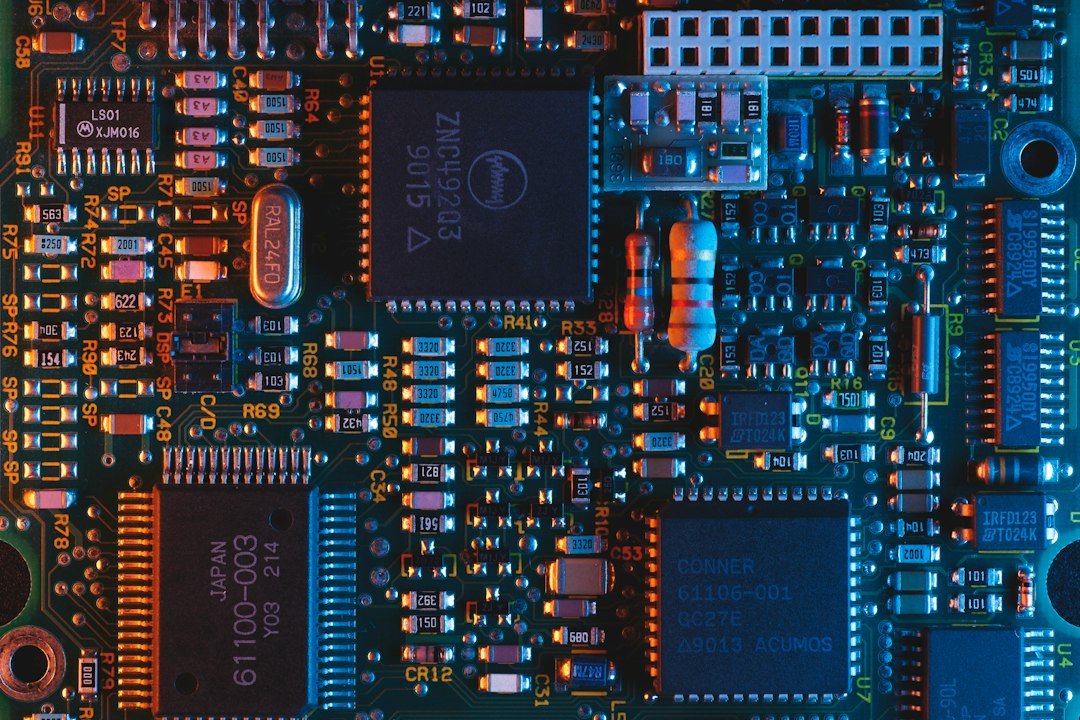
TL;DR: Anduril and Qualcomm are building laptops under a program called BlueChip, aiming for a nearly fully US-made supply chain by 2027, and the goal is less about selling you a laptop than about keeping sensitive government computing out of China-linked manufacturing.
A defense company is building laptops now
Anduril built its public identity on missiles, drones, and autonomous defense systems. Laptops were not on anyone’s bingo card.
TechCrunch reported Tuesday that Anduril and Qualcomm have launched a new initiative called BlueChip, aimed at producing laptops with a supply chain that is almost entirely US-based. DefenseScoop and Interesting Engineering corroborated the report.
The laptops run on Qualcomm’s Snapdragon X series chips, the same processor family Qualcomm has been pushing into Windows laptops more broadly over the past couple of years. What’s different here isn’t the silicon. It’s everything built around it.
What “90% US-made” actually requires
BlueChip’s target is roughly 90% US-made content, covering circuit boards and final assembly, with a goal of a full domestic supply chain for laptop production by 2027.
That’s a much bigger ask than it sounds. Modern laptop manufacturing is one of the most globalized processes in consumer electronics. Chips get fabricated in one country, boards get assembled in another, components get sourced from dozens of suppliers spread across several more, and final assembly often happens somewhere else entirely. Rebuilding that chain domestically means standing up board fabrication capacity, securing domestic component sourcing for everything from connectors to displays, and scaling final assembly facilities, all in a country that largely moved this kind of manufacturing offshore decades ago.
Hitting a 2027 target for that is aggressive. Not impossible, but aggressive enough that it says something about how urgently the companies involved, and whoever’s funding this, view the underlying problem.
The problem BlueChip is actually solving
The stated purpose is reducing reliance on China-based electronics manufacturing for defense and government computing specifically. Not consumer laptops. Not office computers at a random federal agency doing nothing sensitive. The use case here is government and defense computing where supply chain provenance is itself a security concern.
That concern isn’t new, but it’s been building all year across multiple fronts: chip export controls restricting what advanced semiconductor technology can flow to China, growing scrutiny of Chinese-made hardware showing up in sensitive network infrastructure, and a general push across Washington to treat the physical origin of critical hardware as a national security variable, not just a cost consideration.
BlueChip is a visible, concrete example of that push actually turning into a product, rather than staying a policy talking point.
A pattern bigger than one program
BlueChip doesn’t exist in isolation. It’s part of a broader reshoring conversation that’s been running through US tech policy all year, chip export controls limiting what advanced semiconductor technology reaches China, growing scrutiny of foreign-made components turning up in sensitive network infrastructure, and a general political appetite for treating “where was this actually built” as a security question rather than a purely economic one.
What makes BlueChip different from a lot of that conversation is that it’s a specific, named product with a specific target date, rather than a policy goal or a funding announcement without a concrete deliverable attached. Reshoring electronics manufacturing has been a stated ambition in Washington for years. A defense company and a major chipmaker actually building toward a dated target is a more tangible test of whether that ambition survives contact with how genuinely hard electronics manufacturing is to relocate.
Why Anduril specifically
Anduril’s involvement is worth sitting with for a second. It’s a company known for building weapons systems and autonomous defense tech, not laptops. Its move into this space says something about how it sees its own business: less “we make drones” and more “we build whatever hardware the US government needs that traditional defense contractors and traditional electronics companies aren’t moving fast enough on.”
Qualcomm, for its part, gets a defense-grade proof point for Snapdragon X in a market segment (government procurement) where being domestically sourced can be a decisive advantage over competing chip platforms, regardless of raw performance comparisons.
The funding question nobody’s answered publicly
Standing up domestic circuit board fabrication and final assembly at any meaningful scale costs real money, the kind that doesn’t typically come from a startup’s own balance sheet without outside backing. Neither TechCrunch’s report nor the corroborating coverage spells out exactly how BlueChip is funded, whether through government contracts already in place, private capital from Anduril and Qualcomm themselves, or some mix of both.
That’s worth watching as the program develops, because the funding structure will say a lot about how realistic the 2027 timeline actually is. A program bootstrapped mostly on private capital moves differently than one with committed government procurement contracts already backing it, and procurement commitments tend to be the thing that actually justifies building expensive new manufacturing capacity on a tight deadline.
What this doesn’t mean yet
This isn’t a laptop you’ll be able to buy at a retail store. BlueChip is aimed squarely at defense and government procurement, not the consumer or even general business market. Don’t expect a BlueChip laptop next to a ThinkPad at a big box store anytime soon, if ever.
It’s also not a finished product yet. The 2027 date is a target for a full domestic supply chain, which is a different thing from shipping volume to government customers tomorrow. Standing up that kind of manufacturing capacity takes time even with aggressive funding and political will behind it.
The bottom line
BlueChip is a concrete answer to an increasingly urgent question in Washington: what happens if the hardware running sensitive government systems has supply chain ties to a geopolitical rival. Whether Anduril and Qualcomm actually hit 90% domestic content by 2027 is an open question, but the fact that a defense company is now in the laptop business to answer it tells you how seriously this problem is being treated right now.

The Teck Hustlers Editorial Team covers technology, business, finance and gaming news for readers who want the story behind the headline. Every article is researched, written and edited by our in-house team, checked against company announcements, filings and reputable reporting, and updated when new facts emerge. We focus on what each development means for founders, professionals, investors and everyday users. Have a tip or a correction? Reach us through our contact page.