TL;DR: Meta reportedly built a humanoid robot prototype with Chinese robotics startup Fourier Intelligence in about three months, an odd pairing for a company that just spent heavily to build its own robotics capability in-house.
Three months, one prototype, one curious partner
Meta wants to build robots. That part isn’t new. What’s new, and a little strange depending on how you look at it, is who Meta apparently teamed up with to move fast on one.
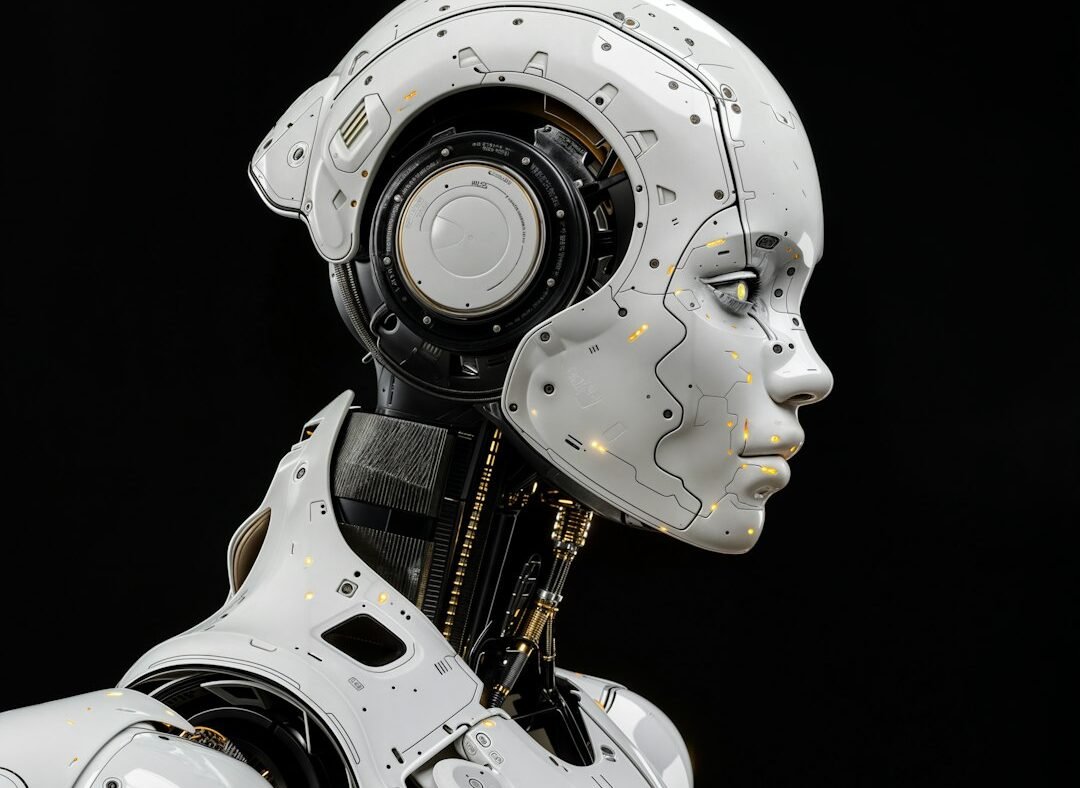
According to reporting via Bloomberg and The Information, picked up by outlets including Investing.com and FourWeekMBA, Meta built a humanoid robot prototype in partnership with Fourier Intelligence, a Chinese robotics startup, in roughly three months.
Three months is fast for a humanoid robot prototype. It’s also fast enough to raise the obvious question: fast compared to what, exactly, and why did Meta need an outside partner to hit that timeline?
This sits inside a bigger robotics push
Meta has been building toward “physical AI,” the current industry term for AI systems that operate robots and other machines in the physical world, rather than just chatting with you or generating images. Home robots are the most visible piece of that ambition, since that’s the market everyone in Big Tech seems to assume is coming eventually.
Meta has already acquired Assured Robot Intelligence, a robotics AI firm, and formed an internal robotics product group specifically focused on building humanoid robots powered by Llama models. That’s a real, funded, in-house effort. It’s not a side project.
Reports describe the Fourier partnership and prototype as potentially the start of a second-generation robotics project at Meta, which suggests this isn’t a one-off experiment so much as a meaningful step in an ongoing program.
Why partnering with a Chinese startup is the interesting part
Here’s where it gets genuinely worth paying attention to. Meta is, at the same time, trying to build its own robotics capability through acquisition and an internal team using its own AI models. And it apparently just leaned on a Chinese robotics company to get a prototype built quickly.
That’s not necessarily contradictory. Companies lean on outside partners for speed all the time, even while building internal capability for the long run. But the specific choice of a Chinese partner lands differently this year than it might have a few years ago, given how much of the broader tech news cycle has been occupied by US-China tension over hardware: chip export controls, scrutiny of Chinese components in sensitive infrastructure, and this site’s own recent coverage of a US investigation into whether an Nvidia-linked executive was potentially feeding information to China.
Robotics hardware isn’t chips, and a humanoid robot prototype isn’t the same national security category as an AI data center chip. Still, the optics of a major US tech company turning to Chinese robotics expertise for speed, in the same year this much scrutiny has landed on China-linked hardware generally, is the kind of detail that’s going to get noticed and picked apart.
The competitors watching this closely
Meta isn’t the only Big Tech company chasing humanoid robots right now, and it’s worth remembering that context. Several well-funded competitors have their own robotics programs in various stages, some further along in actual hardware, some still mostly building the AI software layer that would eventually control a physical robot. A three-month prototype, even one built with outside help, is the kind of visible progress marker that puts pressure on everyone else in that race to show their own tangible results, rather than just research papers and roadmap slides.
That competitive dynamic is probably part of why speed mattered enough to Meta to justify the partnership in the first place. Being first, or at least looking like you’re moving fastest, carries real weight in how investors and the press frame who’s winning an emerging technology race, even before any of these robots are remotely close to a consumer product.
What “physical AI” is actually chasing
Strip away the branding and physical AI is a bet that the next frontier after chatbots and image generators is AI systems that can actually do things in the real world: walk, grab objects, navigate a room, maybe eventually help around a house. It’s a much harder engineering problem than anything purely digital, because physical hardware has to work reliably in a messy, unpredictable physical environment, not just produce a plausible-sounding answer.
A three-month prototype timeline, even with outside help, tells you Meta is treating this as a race it intends to be competitive in, not a slow-burn research project it’ll get to eventually. Every major AI lab and tech giant seems to want a humanoid robot story right now, and nobody wants to be the one still “exploring the space” while a competitor ships something people can actually watch move around.
The talent and speed argument, taken seriously
There’s a more charitable read of this partnership worth considering alongside the skeptical one. Robotics, unlike a lot of modern AI development, still depends heavily on physical hardware expertise, actuators, motors, mechanical design, that doesn’t transfer instantly just because a company has strong AI models and plenty of capital. Fourier Intelligence has spent years specifically on humanoid robot hardware. That’s a narrow, hard-won kind of expertise that isn’t easily replicated by acquiring one smaller firm and standing up an internal team, at least not on a three-month timeline.
Under that read, Meta isn’t outsourcing because its internal effort is behind schedule or underfunded. It’s recognizing that some hardware expertise simply takes years to build from scratch, and borrowing it short-term is a reasonable way to get a working prototype in front of leadership and investors while the in-house program matures on its own timeline. Whether that’s actually what’s happening, versus a more defensive scramble to show progress, is hard to tell from the outside with the information available right now.
What to watch next
Whether Meta’s internal robotics group, the one built around Llama models and the Assured Robot Intelligence acquisition, ends up absorbing lessons from this Fourier prototype or operates as a genuinely separate track. Also worth watching: whether this partnership becomes an ongoing relationship or was purely a one-time speed play to get a prototype on the board quickly.
The bottom line
A three-month humanoid robot prototype built with a Chinese robotics partner tells you Meta wants to move fast in physical AI badly enough to look past the awkward optics of outsourcing speed while simultaneously building an in-house robotics program. Whether that pays off depends on whether speed or ownership ends up mattering more in a robotics race that’s still extremely early.

The Teck Hustlers Editorial Team covers technology, business, finance and gaming news for readers who want the story behind the headline. Every article is researched, written and edited by our in-house team, checked against company announcements, filings and reputable reporting, and updated when new facts emerge. We focus on what each development means for founders, professionals, investors and everyday users. Have a tip or a correction? Reach us through our contact page.