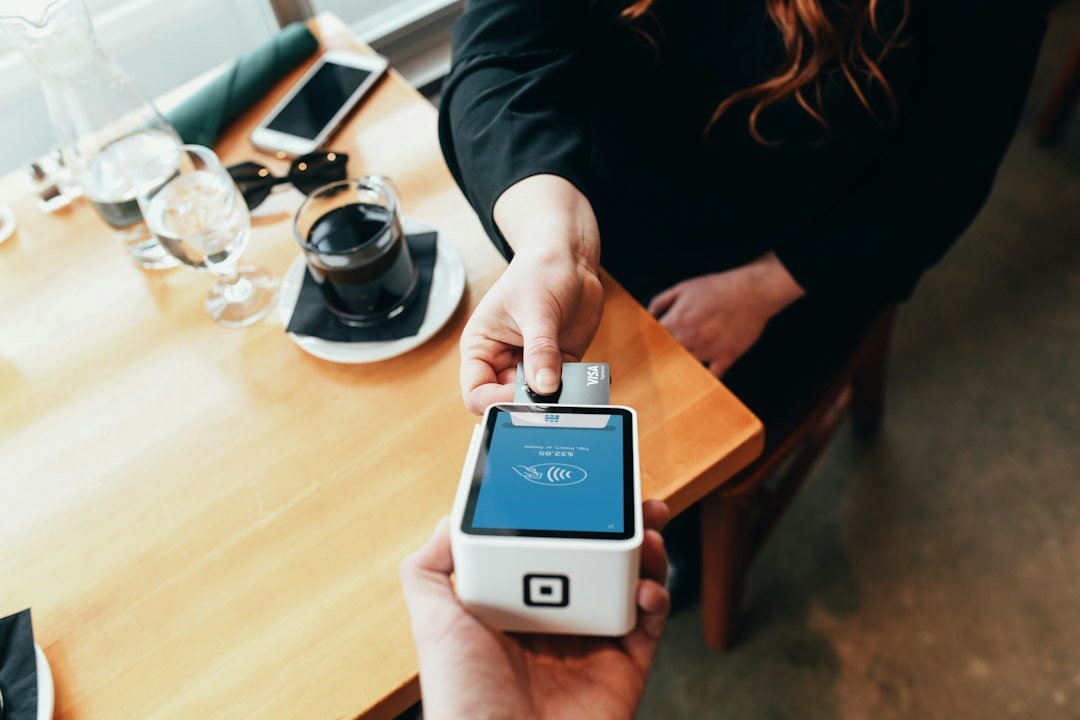
TL;DR: The FTC and a group of state attorneys general sued Toast Inc. over its long-controversial “Toast Fee,” arguing diners never properly agreed to the surcharge that’s been showing up on restaurant checks for years.
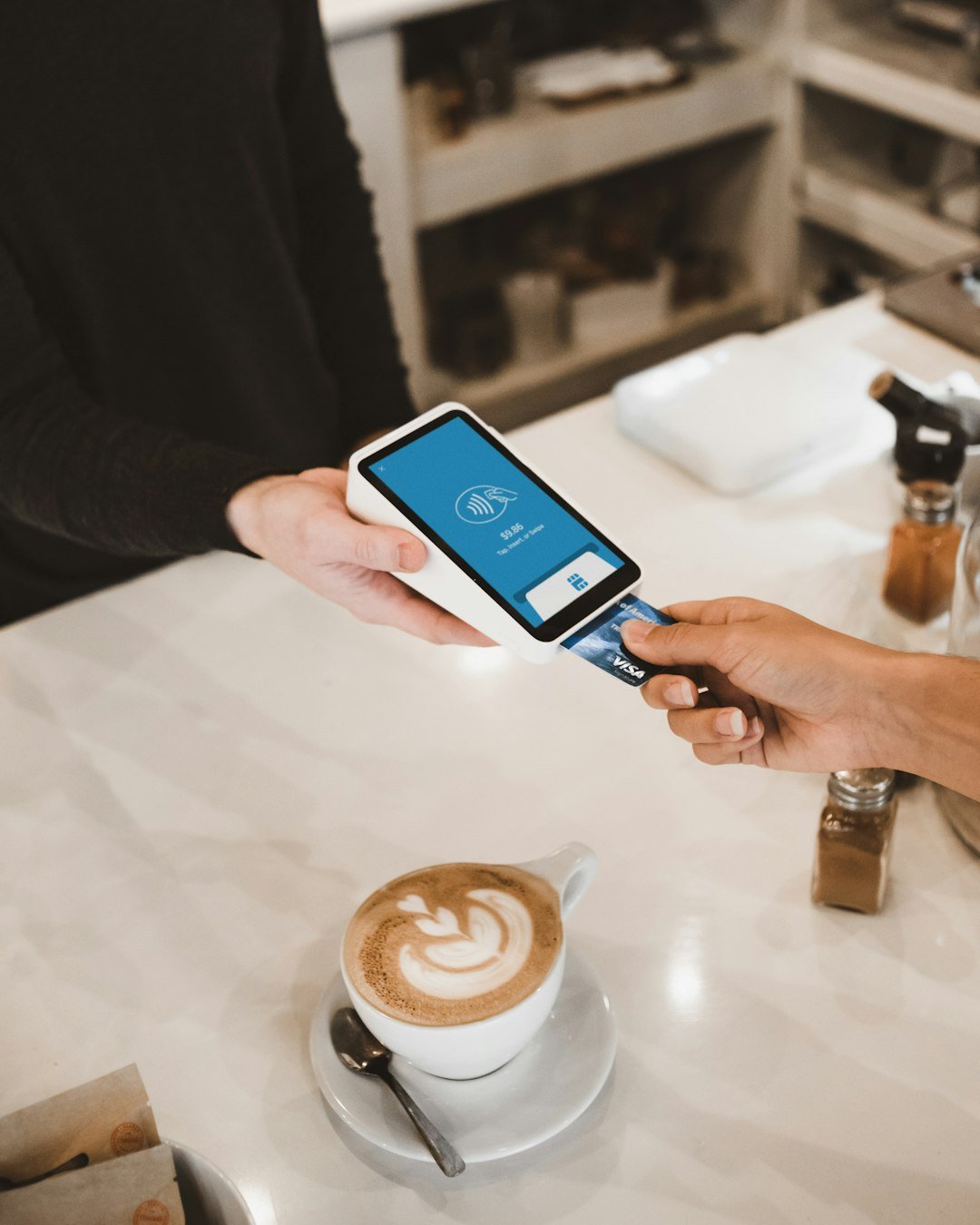
The fee that restaurants didn’t ask for and diners didn’t expect
Toast, Inc. makes the point-of-sale system a huge number of independent restaurants and bars run on. Somewhere along the way, it also started adding its own fee to the bill, a charge diners never signed up for and restaurant owners didn’t set.
Boston Globe and PYMNTS reported Thursday that the FTC, joined by state attorneys general, filed suit against Toast over that fee. The core allegation: the surcharge was tacked onto customer checks without adequate disclosure or real consent.
If this sounds familiar, it’s because Toast has been here before, just not in federal court.
A fee with a messy history
Toast first drew real backlash back in 2023, when it began charging the fee (99 cents at launch, later raised) on orders over $10 across something like 85,000 restaurants and bars running its system. The problem wasn’t just the charge itself. It was who got blamed for it.
Restaurant owners said customers assumed THEY had added the fee, not their payments vendor sitting quietly in the background of every transaction. Imagine running a small diner and fielding angry questions about a line item you didn’t choose and can’t easily explain, because it’s baked into software you’re contractually stuck with.
That anger escalated enough to draw a Congressional inquiry. Toast temporarily backed off, rescinding the fee after pushback from independent, mom-and-pop restaurant owners who said it was hurting their relationships with regulars. Then, later, it came back in a different form.
Now it’s a federal lawsuit.
Part of a bigger enforcement pattern
The FTC isn’t treating this as a one-off. It’s framing the Toast case as part of its broader crackdown on “junk fees,” the catch-all term regulators use for hidden or poorly disclosed charges that show up after a customer has already committed to a purchase.
That crackdown has hit familiar consumer-facing names before. Travel app Hopper settled with the FTC for $35 million over its own fee practices. LendingClub faced similar scrutiny. Uber drew a case joined by 21 states.
What makes the Toast case different is who’s actually on the hook. Hopper, LendingClub, and Uber are all consumer brands people interact with directly. Toast is B2B infrastructure, a payments and POS vendor working behind the scenes for other businesses. The restaurant is the brand the diner sees. Toast is the software quietly running underneath it.
That distinction matters for how this case plays out, and for who else in the software supply chain should be paying attention.
The timing isn’t a coincidence
Junk-fee enforcement has been building momentum for a couple of years now, across multiple industries and multiple regulators, not just the FTC. Airlines, hotels, ticket sellers, and now a restaurant-tech vendor have all found themselves in the crosshairs of the same basic argument: a fee a customer only discovers after they’ve already committed to a purchase isn’t a fair price, it’s a bait-and-switch with extra steps.
That regulatory momentum doesn’t appear out of nowhere. It tends to follow sustained public frustration, the kind that shows up in Congressional inquiries, local news segments about surprise charges, and enough individual complaints that a pattern becomes impossible to ignore. Toast’s fee generated exactly that kind of sustained frustration starting back in 2023, which makes this lawsuit less a surprise and more the predictable endpoint of a complaint cycle that’s been running for roughly three years.
Why this reaches beyond restaurants
Point-of-sale and payments vendors across plenty of other industries, salons, gyms, parking apps, ticketing platforms, run the exact same kind of pass-through fee model Toast built. If regulators successfully argue that a B2B vendor is liable for how its fee shows up to an end customer who never directly chose that vendor, that’s a meaningfully bigger legal exposure than most of these companies have budgeted for.
It also puts independent restaurant owners in an uncomfortable spot during the case itself. They didn’t design the fee, they can’t easily remove it without renegotiating their entire POS contract, and they’re the ones standing at the register when a customer asks why their bill went up. A lawsuit against Toast doesn’t automatically fix that tension for the businesses stuck in the middle.
No specific penalty amount or exact number of participating states has been confirmed yet, and it’s worth being careful here rather than guessing. What is confirmed is the pattern: the FTC’s junk-fee push just found its way into the software layer that touches nearly every small restaurant transaction in the country.
The disclosure problem nobody solved cleanly
Hidden fee cases almost always come down to the same question: what counts as adequate disclosure. A line item buried in fine print technically “discloses” something, but regulators have increasingly argued that technical disclosure isn’t the same as a customer actually understanding what they’re agreeing to before the charge hits.
Toast’s situation adds a wrinkle most junk-fee cases don’t have. The diner isn’t Toast’s customer. The restaurant is. So even if Toast disclosed the fee clearly to the restaurant owner when they signed up for the POS system, that disclosure never reaches the diner standing at the register, the person actually paying it. That gap between who agrees to a fee and who pays it is arguably the real structural problem here, more than any specific wording on a receipt.
It’s a pattern worth watching for in other B2B software that touches consumer transactions. Plenty of vendors sit in that same gap, invisible to the end customer but financially present in every transaction.
What happens next
Watch two things as this moves forward. First, whether Toast changes the fee structure voluntarily before the case plays out further, something companies sometimes do to limit damage while litigation drags on. Second, whether other POS and payments vendors quietly review their own fee disclosures now that there’s a live federal case testing exactly this model.
Small business owners using any platform with a similar pass-through surcharge should check how clearly that fee is disclosed to their own customers right now, not after a lawsuit forces the issue. That’s a cheap fix compared to the alternative.
The bottom line
This is less about one company’s fee than about regulators deciding that hidden charges are hidden charges, whether they come from the brand a customer sees or the software vendor working quietly behind it. Toast is the test case. Every other POS and payments vendor running a similar fee model should be paying very close attention to how this one turns out.

The Teck Hustlers Editorial Team covers technology, business, finance and gaming news for readers who want the story behind the headline. Every article is researched, written and edited by our in-house team, checked against company announcements, filings and reputable reporting, and updated when new facts emerge. We focus on what each development means for founders, professionals, investors and everyday users. Have a tip or a correction? Reach us through our contact page.