Published: October 19, 2026 · Last updated: October 19, 2026
TL;DR: Apple’s $149 HomePod mini 2 ships October 30 with four-speaker surround sound and a new ambient light effect called Sound Glow, but the AI-rebuilt Siri it was unveiled alongside will not work on the speaker at launch and arrives in a later software update instead.
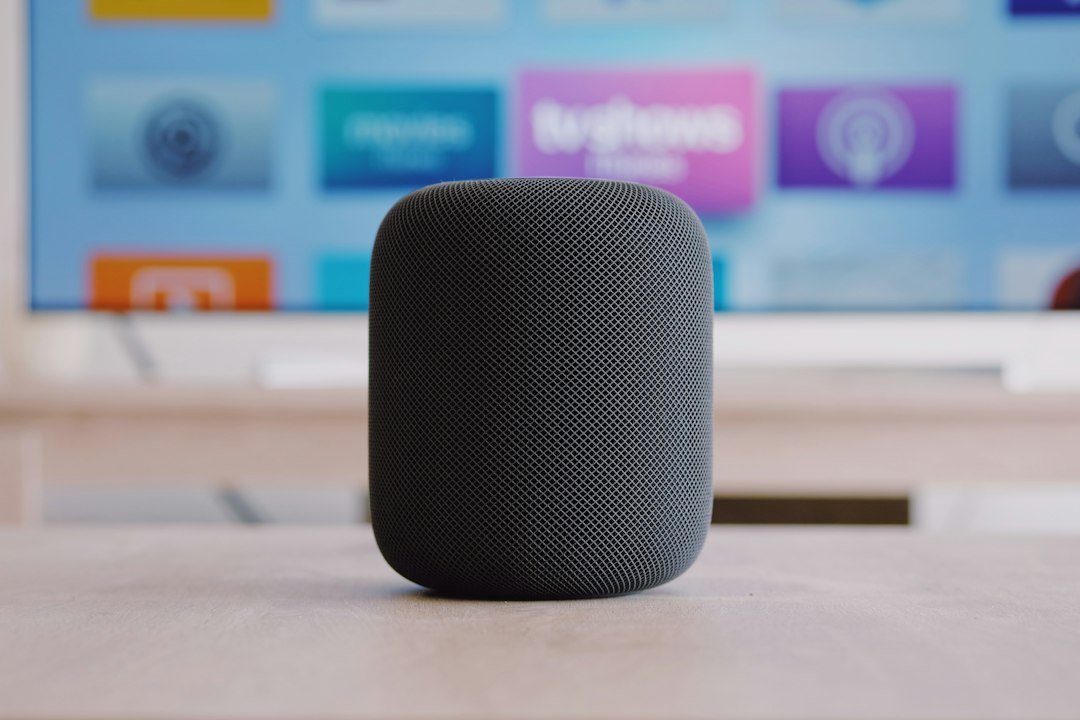
Apple put a price tag and a ship date on its next small speaker this week. The HomePod mini 2 costs $149, the same as the original model from 2020, and it reaches stores on October 30. Pre-orders opened straight after Monday’s announcement.
The headline upgrade is physical. A new driver arrangement lets the speaker throw sound in four directions instead of one, so two units in the same room can approximate real stereo separation rather than just doubling volume. Apple is calling the effect enhanced spatial audio for the home, and early hands-on writeups describe a noticeably wider soundstage than the outgoing model managed.
Then there is Sound Glow, a ring of light around the top of the speaker that pulses in sync with music or dims to a soft glow when it is just sitting idle as an ambient night light. It is a small addition, but it is the kind of detail Apple tends to put front and center in its marketing, and several outlets noted it in their headlines before anything else.
The part generating the most discussion is what the speaker cannot do yet. Apple’s keynote framed this HomePod around the AI-rebuilt version of Siri the company has been promising since last year, the one built to handle multi-step requests and hold context across a conversation rather than resetting after every command. Within two days of the announcement, Apple quietly confirmed to reporters that the feature will not actually be active when the speaker ships on October 30. It is coming in a software update sometime after launch, with no firm date attached.
That gap matters more for Apple than it would for most companies. The smarter Siri was already delayed once this year, originally expected alongside an iOS release and then pushed back after what Apple described internally as quality problems. Tying a brand-new piece of hardware to a software feature that still is not ready raises an obvious question: why launch the speaker around a capability it cannot yet perform.
Apple’s own explanation, relayed through briefed reporters rather than an on-the-record statement, is that the hardware was ready and the software team wanted more runway before flipping the feature on broadly. That is a reasonable engineering argument. It is a tougher sell to a customer paying $149 the week of launch for a speaker whose main advertised trick is not actually switched on.
For most buyers the practical takeaway is simple. The HomePod mini 2 is a solid, modestly priced upgrade to sound quality and ambiance on day one, and the AI Siri features will arrive as a free update whenever Apple finishes testing them. Anyone buying specifically for the smarter assistant should hold off until that update actually lands.
Related: Microsoft Is Holding Another OneDrive and Copilot Event, This One Lands October 20 and Google Search Console’s Performance Reports Are Stuck, and SEOs Are Frustrated.
Bottom Line: The hardware is ready and reasonably priced. The AI feature it was announced around is not, and Apple is asking buyers to trust that it arrives later rather than showing it working now.
Follow Teck Hustlers: Facebook · X · Instagram · LinkedIn · TikTok · Pinterest

The Teck Hustlers Editorial Team covers technology, business, finance and gaming news for readers who want the story behind the headline. Every article is researched, written and edited by our in-house team, checked against company announcements, filings and reputable reporting, and updated when new facts emerge. We focus on what each development means for founders, professionals, investors and everyday users. Have a tip or a correction? Reach us through our contact page.