Published: October 15, 2026 · Last updated: October 15, 2026
TL;DR: Microsoft, Meta, Amazon and Google are on track to spend a combined $725 billion on AI infrastructure in 2026, a 77% jump from last year, and the number is big enough that even bullish analysts are starting to ask when it needs to turn into revenue.
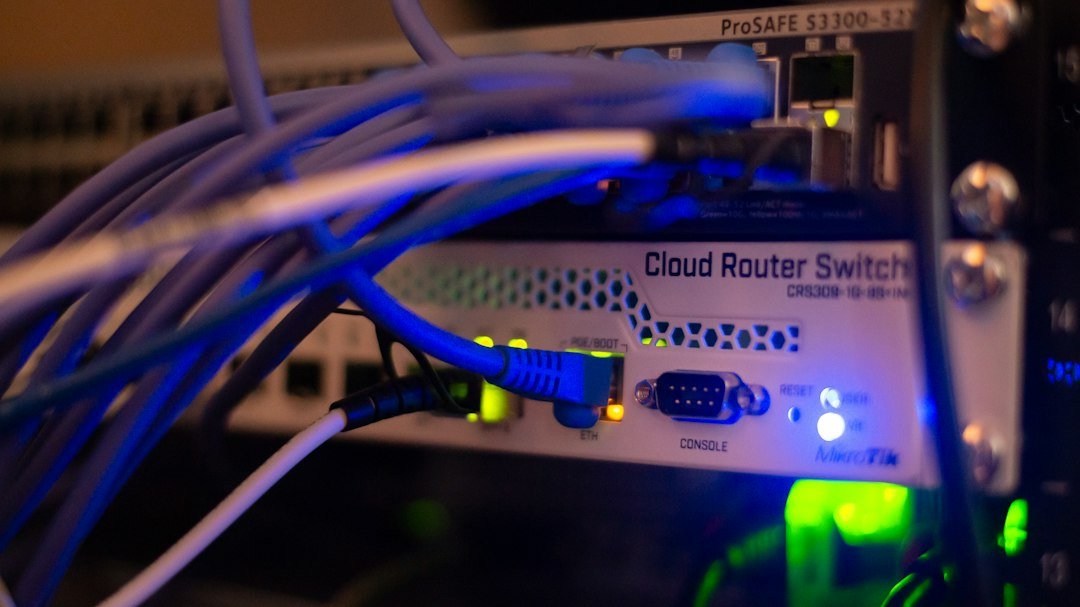
Try to picture $725 billion. You can’t, really, which is part of why this number keeps getting repeated across every earnings call and research note this quarter. Tom’s Hardware and several other outlets reported this week that combined AI capital expenditure from the four biggest hyperscalers, Microsoft, Meta, Amazon and Google, is projected to hit that figure in 2026, a 77% increase over 2025 spending.
Where the money is actually going
This isn’t office furniture or software licenses. It’s data centers, custom AI chips, power contracts and the land and cooling infrastructure needed to run all of it. Each of the four companies has framed its own spending as necessary just to keep pace with AI demand it says is already outstripping available compute. Executives have been consistent on earnings calls: the risk of under-investing and losing the AI race looks scarier to them than the risk of over-building.
One analyst quoted in coverage of the figure dismissed the bear case outright, calling worry about the spending level “garbage” given how fast cloud AI revenue has been growing alongside it. That’s one read. It’s not the only one circulating on trading desks this week.
The bear case, in plain terms
The worry isn’t that AI demand is fake. It’s about timing and financing. Building a data center takes years. Locking in the power contracts to run it takes even longer in some regions. If AI product revenue doesn’t scale fast enough to justify this specific pace of spending, these companies could be sitting on expensive, depreciating infrastructure before the usage curve catches up. That’s a real financial risk even for companies with balance sheets as large as these four.
It’s also worth separating the four companies rather than treating $725 billion as one monolithic bet. Each is financing its buildout differently, some more through cash flow, others leaning harder on debt and external partnerships, and that mix matters a lot for how exposed each one actually is if interest rates stay elevated or AI revenue growth cools.
Why this number matters beyond Wall Street
This spending race is the reason GPU access has been so constrained and expensive for smaller AI startups throughout 2026. It’s also, eventually, the thing that determines how fast cloud AI pricing comes down for everyone else. More capacity coming online in 2027 should ease some of that pressure, assuming the buildout proceeds on schedule and demand holds up as projected.
Related: Chip Stocks Slide Even After TSMC Posts a Record Quarter and DeepSeek Leads a $400 Million Round for Robotics Startup Winverse AI.
Bottom Line: $725 billion is either the smartest bet in corporate history or the most expensive one, and nobody will know which for a couple more years. Watch the next few quarters of AI product revenue growth, not the spending headline, for the real signal.
Follow Teck Hustlers: Facebook · X · Instagram · LinkedIn · TikTok · Pinterest

The Teck Hustlers Editorial Team covers technology, business, finance and gaming news for readers who want the story behind the headline. Every article is researched, written and edited by our in-house team, checked against company announcements, filings and reputable reporting, and updated when new facts emerge. We focus on what each development means for founders, professionals, investors and everyday users. Have a tip or a correction? Reach us through our contact page.