Published: October 9, 2026 · Last updated: October 9, 2026
TL;DR: Waymo has upsized its first-ever private debt deal to $5 billion, with PIMCO and Blackstone leading a group of lenders, marking the first time Alphabet’s self-driving unit has borrowed money rather than relied on equity funding to grow.
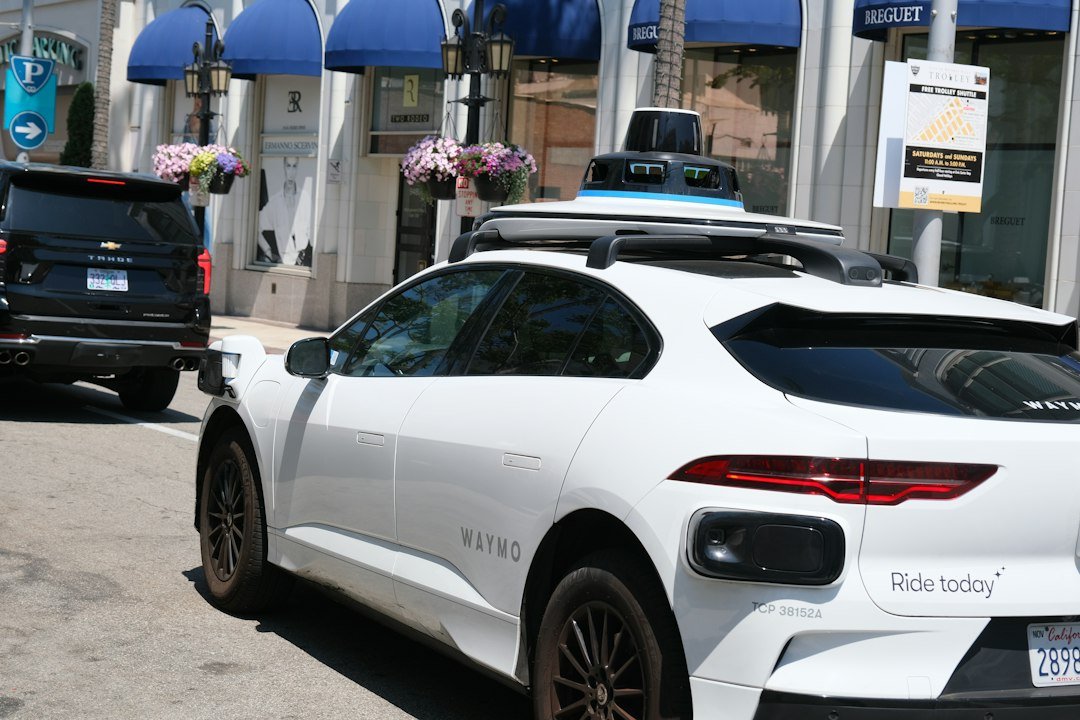
Every robotaxi Waymo puts on the road costs real money: the vehicle itself, the sensor suite bolted to the roof, the depot space, the remote operators standing by. For years, Alphabet simply wrote the check. That changed this week.
Waymo’s debut private debt offering, originally expected to raise just over $3 billion according to earlier reporting, was upsized to $5 billion, with PIMCO and Blackstone leading the group of lenders and Sixth Street also named among participants in earlier versions of the deal. It is the first time the company has tapped debt markets at all, a milestone that matters almost as much as the dollar figure.
Borrowing instead of raising equity is a quiet vote of confidence, in one specific sense: lenders only get repaid if the business can generate steady cash flow, not just investor enthusiasm. Pricing on the deal reportedly came in a little over five percentage points above the relevant benchmark rate, in line with what a fast-growing but still unprofitable transportation company might expect to pay.
Waymo has spent 2026 pushing into new cities at a pace that would have sounded aggressive even a year ago, expanding robotaxi service into markets across Texas, Florida, and beyond its original West Coast strongholds. Every new city means new vehicles, new mapping work, and new depots, all of which need financing that does not depend on Alphabet’s quarterly mood about capital spending.
That is really the quieter story here. Alphabet has comfortably funded Waymo out of its own balance sheet for years, but a $5 billion outside debt raise signals the company wants Waymo’s growth to eventually stand on its own economics, insulated a little from however the rest of Alphabet’s spending priorities shift. It also sets a visible price for Waymo’s risk in the eyes of fixed-income investors, a different audience than the venture and growth-equity crowd that usually prices these companies.
Rivals in the robotaxi and autonomous trucking space have leaned almost entirely on equity rounds and SPAC mergers to fund their own expansion this year. If Waymo’s debt deal performs well, expect competitors to start exploring the same playbook rather than diluting existing shareholders every time they need cash for more cars.
Debt deals of this size are still unusual in the robotics and autonomous vehicle world, where most companies remain too early or too unprofitable to interest fixed-income lenders at all. Waymo’s ability to pull in PIMCO and Blackstone, two of the more conservative names in structured credit, suggests the lenders are comfortable with the revenue visibility Waymo’s expanding ride volume now provides, even though the company has never disclosed full profitability figures publicly.
The timing also lines up with a broader capital crunch across the AI and robotics sector, where equity investors have grown choosier about writing nine and ten figure checks without clearer paths to profitability. A debt raise lets Alphabet avoid diluting its own ownership stake in Waymo while still bringing in outside capital, a structure more companies in this position may start reaching for as public market appetite for pure equity bets on unprofitable AI infrastructure cools.
Related: Manus just found its own path to capital outside a traditional equity round, and LMArena’s valuation climb shows the same appetite from a different corner of AI.
Bottom Line: A $5 billion debt deal is Waymo telling the market it is ready to be judged like a real infrastructure business, not just Alphabet’s favorite moonshot.
Follow Teck Hustlers: Facebook · X · Instagram · LinkedIn · TikTok · Pinterest