
Published: October 8, 2026 · Last updated: October 8, 2026
TL;DR: Universal Quantum, a trapped-ion quantum computing company spun out of the University of Sussex, has closed a Series A worth more than $100 million, which tech.eu is calling the largest round any UK quantum computing startup has ever raised. DCVC and Firgun Ventures led it, and the backer list includes Roblox CEO David Baszucki personally and Singapore’s state investment arm EDBI. The money is funding new research hubs in Germany and Singapore.
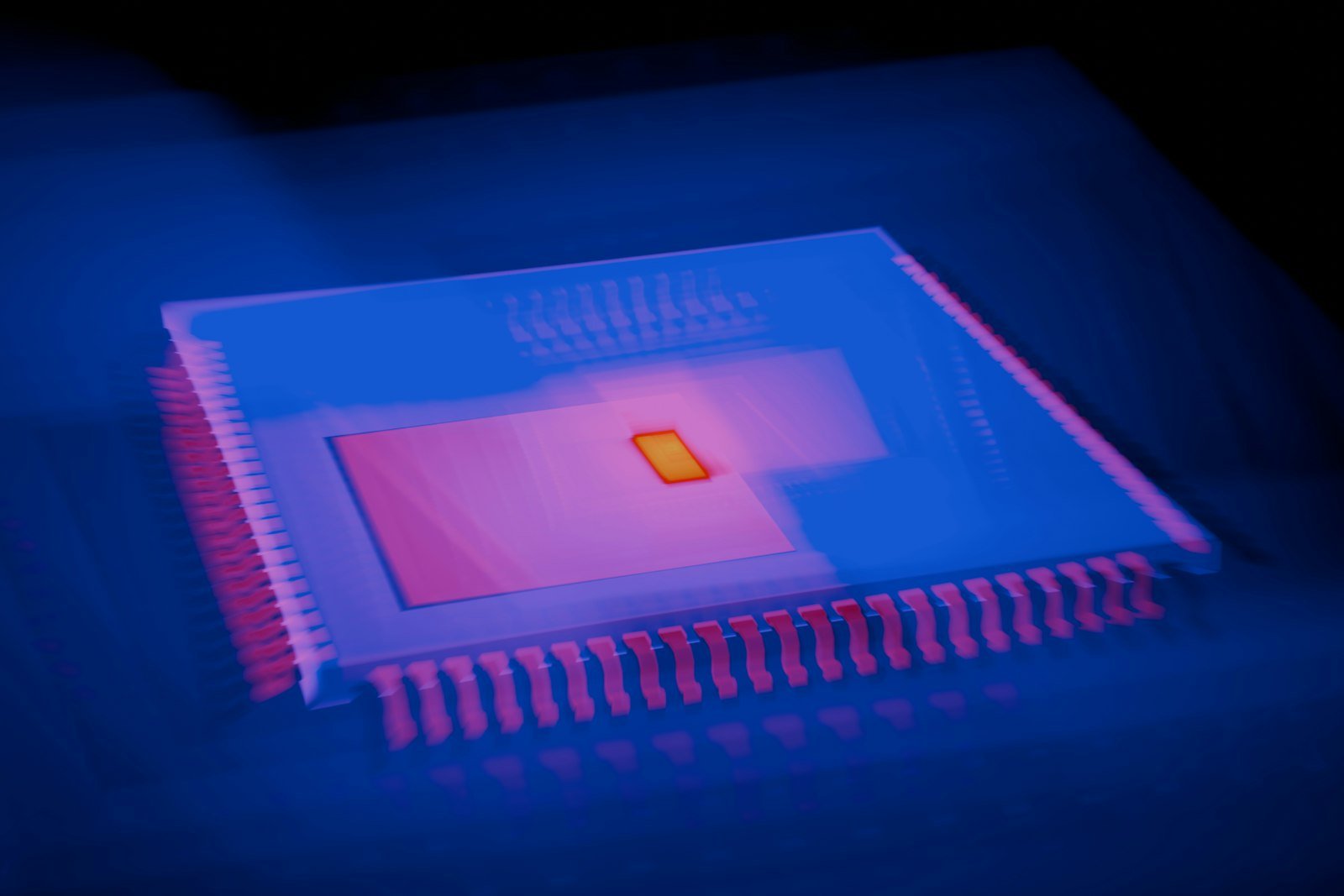
Bloomberg reported Thursday that Universal Quantum, a trapped-ion quantum computing company that grew out of research at the University of Sussex, closed a Series A worth more than $100 million. Tech.eu is calling it the largest Series A any UK quantum computing startup has raised. DCVC and Firgun Ventures led the round.
The backer list is where this gets interesting. Roblox CEO David Baszucki put his own money into the round, a notable move for an executive who runs a gaming and social platform with no obvious quantum computing angle. Singapore’s EDBI, the government’s own investment arm, joined too, which tracks with Singapore’s broader habit of buying into next-generation compute the same way it has bought into AI infrastructure and chip capacity over the past two years.
Universal Quantum plans to use the money to open research hubs in Germany and Singapore, expanding well past its base in the UK. That geographic spread matters for a company whose pitch has always been about scale. Universal Quantum has spent years arguing that trapped-ion qubits, individual charged atoms held in place and controlled with lasers, can be linked together across many physical modules instead of crammed onto one chip, a path the company has said could eventually support machines with a million or more qubits. Most working quantum computers today, built by companies like IBM and Google, run in the hundreds of qubits.
UK quantum computing has had an odd relationship with venture money up to now. Oxford Ionics, another British trapped-ion company, raised a comparatively modest round before its backers cashed out through an acquisition by IonQ earlier this year. The UK government has put real money into quantum research through its National Quantum Computing Centre and various Innovate UK grants, but a private round this size, with a Southeast Asian sovereign fund and a Silicon Valley CEO both writing checks, hasn’t really happened in British quantum computing before.
This fits a pattern we’ve been tracking all week. Lambda just raised at a $14.5 billion valuation to build out AI compute capacity, and Isomorphic Labs is reportedly in talks for a valuation above $40 billion despite having no drug of its own design in human trials yet. Money is moving ahead of the use case proving out, and quantum computing, which has spent two decades promising a breakthrough that keeps slipping further out, just became the latest beneficiary. The difference is who’s writing these particular checks. A Roblox CEO personally wiring cash into a UK ion-trap startup says quantum has crossed into territory where tech executives with no direct stake in the outcome want in anyway, the same way it became fashionable to have an AI chip bet a few years back.
Neither Universal Quantum nor its investors have disclosed a valuation for the round, and the company hasn’t said how the capital splits between the new Germany and Singapore sites versus its existing Sussex operations. Treat the $100 million-plus figure and the “largest ever” framing as reported by Bloomberg and tech.eu, not as numbers either company has put on the record itself.
Related: Isomorphic Labs is reportedly chasing a $40 billion-plus valuation with no drug yet in human trials, and Lambda is raising $4 billion at a $14.5 billion valuation on the back of one customer’s compute demand, two more examples of money moving ahead of proof.
Bottom Line: A hundred million dollars doesn’t make a quantum computer work any faster than physics allows, and Universal Quantum still has to prove its modular, ion-trap approach scales the way its pitch deck says it will. But the people writing these checks aren’t betting on a working machine next quarter. They’re betting that whoever owns working quantum hardware in five or ten years owns something nobody else can route around, the same bet that’s currently propping up every AI compute valuation we’ve covered this week. Quantum computing just joined that line.
Follow Teck Hustlers: Facebook · X · Instagram · LinkedIn · TikTok · Pinterest