Written by Admin Alex · Fact-Checked by M.Ali · Info Verified September 2026
We review and update this article regularly as new information becomes available.
TL;DR: Lyft riders in parts of downtown Nashville can now be matched with a driverless Waymo vehicle straight through the regular Lyft app, no separate download required. Lyft’s fleet subsidiary Flexdrive runs an 80,000-square-foot depot near the airport to keep the cars charged and clean, and riders can still opt out for a human driver. It’s a preview of where Lyft wants to take its robotaxi ambitions next.
Order a ride, get a robot
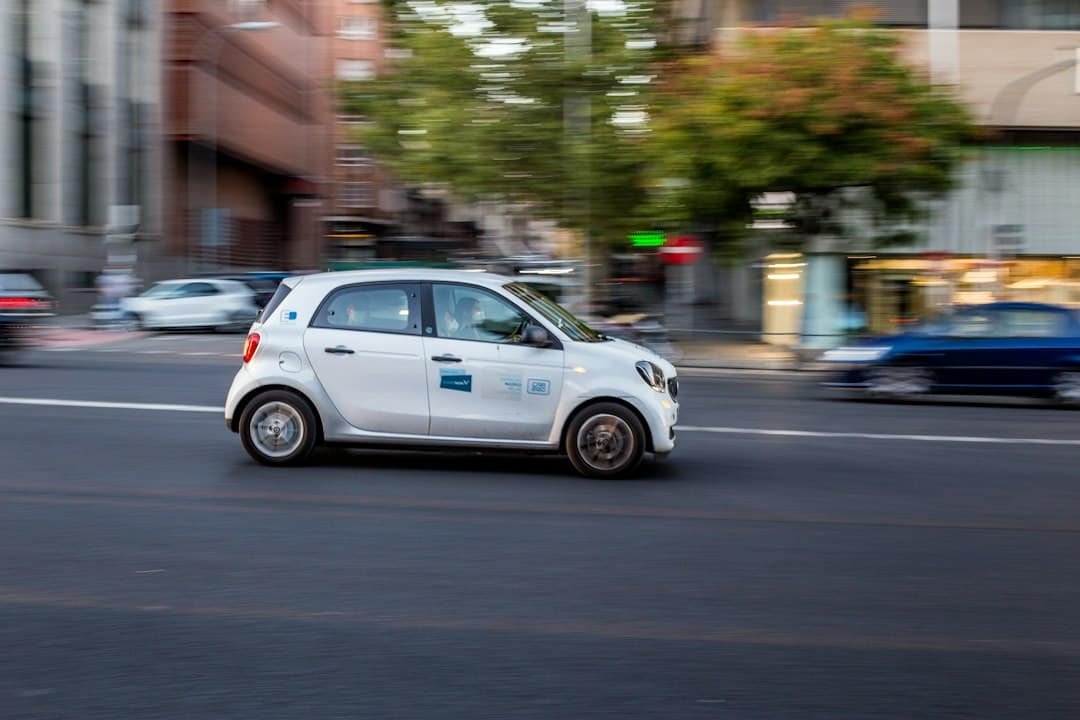
Picture this. You open the Lyft app in downtown Nashville, tap to request a ride, and the car that shows up has an empty driver’s seat. That’s the reality now for riders in neighborhoods near the city center, where Lyft has quietly started routing trips to Waymo’s autonomous vehicles instead of a human behind the wheel. You don’t need Waymo’s own app. You don’t need to opt in ahead of time. The match just happens, and you can decline it if you’d rather have a person driving.
The unglamorous part that makes it work
Nobody talks about depots when they talk about robotaxis, but that’s where the real logistics live. Lyft’s fleet management arm, Flexdrive, operates an 80,000-square-foot facility near Nashville’s airport that handles the unsexy stuff: charging the vehicles, cleaning them between rides, and keeping them maintained. Waymo builds the self-driving technology. Lyft brings the depot infrastructure and, more importantly, the demand. That combination is exactly what’s been missing from a lot of earlier robotaxi pilots that struggled to scale past a single neighborhood.
For now, coverage is limited to areas near downtown. Nashville suburbs like Bellevue, Antioch, and Madison aren’t part of the service area yet, though Waymo has signaled more expansion is coming.
Why Waymo picked Lyft over Uber, again
This isn’t happening in a vacuum. Waymo ended its three-year robotaxi pilot with Uber in Phoenix earlier this year, and there’s talk it may wind down similar arrangements in Austin and Atlanta too. Lyft, meanwhile, offers something Uber’s own robotaxi push hasn’t matched yet: a combination of rider demand and the physical fleet infrastructure to actually operate at scale in a given city. Jeremy Bird, Lyft’s executive vice president, put it plainly: “We want to prove this model in Nashville and then take it to scale.”
That’s a notable shift in the rivalry between the two ride-hailing giants. Uber has spent years building its own autonomous vehicle partnerships, and losing ground to Lyft on Waymo access specifically would sting.
What riders are actually noticing
Early riders describe the experience as smoother than expected, mostly because the interface barely changes. You’re not learning a new app or adjusting to a totally different pickup process. The car just arrives, unlocks when you approach, and the trip proceeds like any other Lyft ride, minus the small talk. Some people love that. Others miss it more than they expected to.
There’s also the trust factor. Riders who’ve never used a robotaxi service tend to be more comfortable trying one through an app they already use daily, rather than downloading something new specifically to test self-driving cars. That familiarity is probably Lyft’s biggest advantage here.
Where this goes from here
Nashville is a testbed, not the finish line. If ride matching, depot logistics, and rider comfort all hold up at this scale, expect Lyft to push the same model into other markets where Waymo needs an operating partner. Dallas has already come up in reporting as a likely next stop. The bigger question is whether Uber responds by deepening its own autonomous vehicle partnerships or gets left further behind in cities where Waymo has to pick one ride-hailing partner over another.
Bottom Line: This is less about one city getting robotaxis and more about which ride-hailing company becomes the default doorway into self-driving cars for ordinary riders. Right now, that’s shaping up to be Lyft, and Nashville is the proving ground.