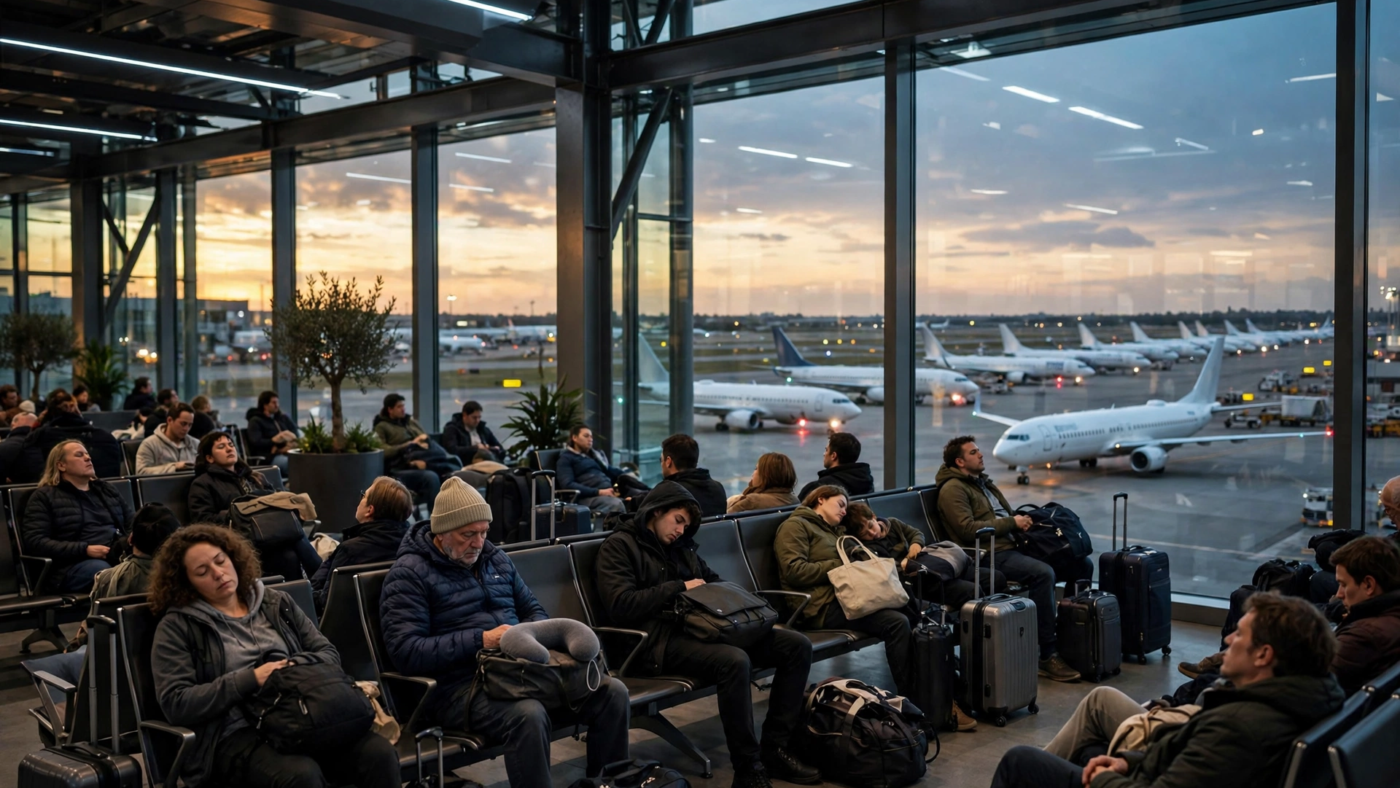
Flight delays are frustrating, especially when they happen without clear explanations. Airport congestion is one of the most common reasons flights fail to depart on time, affecting families, business travelers, and tourists alike. When this happens, many passengers wonder whether they are entitled to compensation and what steps they should take next. Services like Lennuabi help travelers understand their options and rights when delays disrupt travel plans.
What airport congestion really means for passengers
Airport congestion occurs when too many flights are scheduled to arrive or depart within a short period. Limited runway availability, crowded terminals, and air traffic control restrictions can all contribute. Even when weather conditions are good and the aircraft is ready, congestion can prevent timely takeoff. For passengers, this often results in long waiting times, missed connections, and unexpected changes to travel schedules.
It is important to understand that congestion itself is not always considered an extraordinary circumstance. In many cases, congestion is part of normal airport operations and planning. This distinction matters because it can influence whether passengers may be eligible for compensation under applicable passenger rights regulations.
When a delay may qualify for compensation
Eligibility for compensation depends on several factors, not just the length of the delay. Generally, a delay must reach a minimum duration, often three hours or more at final arrival. The cause of the delay is equally important. If airport congestion could have been reasonably anticipated or managed, passengers may still have a valid claim.
Key factors that usually affect eligibility include:
- Total delay time at arrival
• Whether the airline had control over scheduling decisions
• If reasonable measures were taken to avoid the delay
• The distance of the flight
If congestion was caused by predictable traffic volumes rather than sudden emergencies, compensation may still apply. Each case must be evaluated individually.
Passenger care during congestion related delays
Regardless of compensation eligibility, airlines are generally required to provide care during significant delays. This is meant to reduce discomfort and inconvenience for travelers who are forced to wait longer than expected.
Passengers may be entitled to:
- Meals and refreshments during long waits
• Access to communication such as phone calls or emails
• Hotel accommodation if an overnight stay becomes necessary
• Transportation between the airport and hotel when applicable
Knowing these rights helps travelers ask for assistance confidently and avoid unnecessary out of pocket expenses.
Why managing claims alone can be challenging
While passengers can submit claims directly to airlines, the process is often slow and complex. Airlines may request additional documentation, delay responses, or deny claims based on technical interpretations. For travelers unfamiliar with regulations, this can be confusing and time consuming. Many give up before receiving a clear answer, even when they may be eligible.
Understanding legal terminology and responding correctly to airline communications requires patience. This is where guided support can make a meaningful difference.
How Lennuabi will help
Using a dedicated service simplifies the entire process. Instead of dealing with lengthy forms and repeated follow ups, travelers can rely on experienced professionals to review their case. The service evaluates eligibility, communicates with the airline, and handles documentation on behalf of the passenger. This approach reduces stress and saves valuable time.
Another advantage is transparency. Travelers are kept informed at each stage and only proceed when a realistic chance of success exists. This makes the experience more predictable and less frustrating than handling claims alone.
Conclusion
Airport congestion is a common cause of flight delays, but it does not automatically remove passenger rights. Eligibility for compensation depends on delay duration, cause, and airline responsibility. By understanding these factors and knowing what care to expect, travelers can make informed decisions. With the right guidance, navigating delay related claims becomes clearer and far less overwhelming for everyone involved.

The Teck Hustlers Editorial Team covers technology, business, finance and gaming news for readers who want the story behind the headline. Every article is researched, written and edited by our in-house team, checked against company announcements, filings and reputable reporting, and updated when new facts emerge. We focus on what each development means for founders, professionals, investors and everyday users. Have a tip or a correction? Reach us through our contact page.